
For businesses
NYC delivery app fee caps and customer data rules for restaurants
Mosey · November 11, 2026 · 5 min read
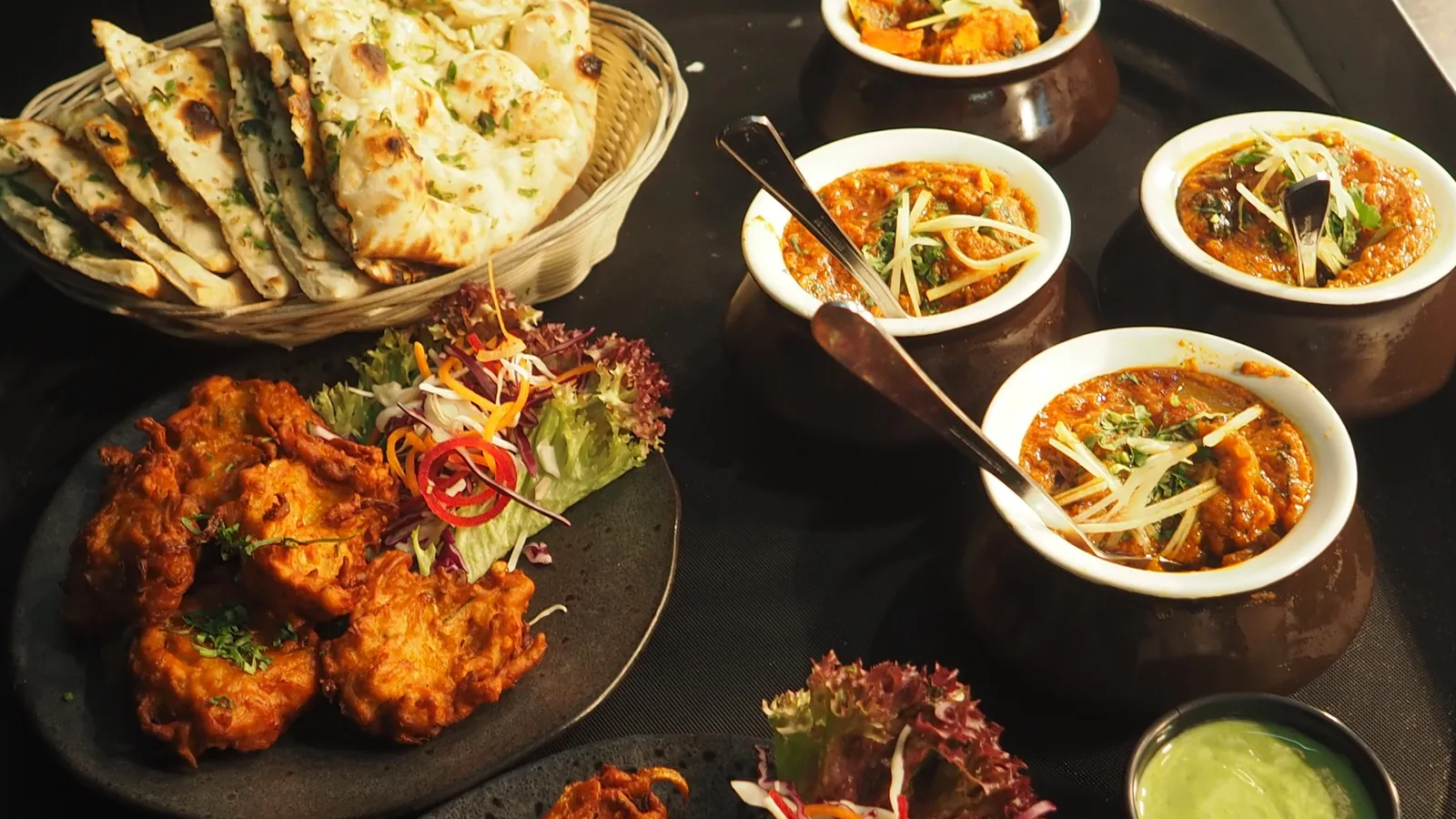
New York City is one of the few places where law limits what delivery apps can charge a restaurant. The city rewrote those limits in 2025, and in August 2026 a federal appeals court struck down the city's customer data law. This guide, checked in October 2026, explains what the rules say, what the court decided and how to protect your business. It is general information and not legal advice. Read the current law on the City Council's site and ask the Department of Consumer and Worker Protection and a lawyer before you act.
What do the city's fee caps say?
The City Council first capped delivery app fees during the pandemic and later made limits permanent. In 2025 it passed Int. 762-B, which the Council's records list as enacted, and which changed the structure. Summaries of the new law describe a cap of 15 percent on delivery services, 5 percent on basic marketing and platform services, and 3 percent on payment processing. They also describe an optional further tier of up to 20 percent for enhanced services, available only if the app also offers a basic service at or below 5 percent. Restaurant Business reported that the new structure lets apps charge up to 43 percent of an order in total, up from the earlier 23 percent. These are summaries of the law, so read the local law itself and your contract before you rely on any figure.
Is the cap in force, and what came with the 2025 change?
Restaurant Business reported that the law also lets restaurants charge different prices on delivery apps than in the dining room and include their own marketing materials in delivery orders. The city has continued to enforce the caps: Patch reported a city settlement with the delivery service HungryPanda requiring it to comply with the fee cap law. Ask the Department of Consumer and Worker Protection whether any new challenge or amendment affects your contracts.
What about customer data?
A 2021 city law required apps to give restaurants customers' names, email addresses, phone numbers, delivery addresses and order contents. On August 5, 2026 the Second Circuit ruled 3-0 that the law violates the First Amendment, upholding a September 2024 ruling by U.S. District Judge Analisa Torres, according to reports from Bloomberg Law and U.S. News. The court said the city had less burdensome options, such as an opt-in system. The city had agreed not to enforce the law while the case continued. For a restaurant this means you should not plan on receiving diner details from the apps. Collect your own: ask guests at the table and on your own ordering page whether they want to hear from you, and keep their consent on record.
How do you check your own bill?
Pull your last three months of statements from each platform. For each order, look at the commission rate, the marketing fees, the delivery fee passed to you and any other deductions. Compare them with the plan you signed up for. If a statement shows a total above the caps in the current law, ask the platform to explain in writing. Keep copies. If the explanation is not satisfactory, contact the city agency or a lawyer.
What should you negotiate?
Contracts differ. Ask about commission tiers, whether marketing is optional, whether the app charges you for its own promotions, how refunds and missing items are handled, and how long it takes to be paid. Ask whether you can raise menu prices on the platform above in-store prices. Many restaurants do, and platforms have their own rules on this. Ask for the terms in plain language and keep a copy.
How can you reduce your dependence on apps?
Offer your own online ordering and phone ordering, promote it on your receipts and signs, and ask regular customers to order direct. Use your own delivery staff or a local courier for short trips. Offer a small incentive for direct orders, such as a free side. Even shifting a fraction of orders helps your margin. Remember that direct orders carry card fees and labor, so work out your real cost.
What other fee rules apply?
Show delivery fees and minimums clearly on your own ordering page before the guest pays, and keep that page consistent with your menu in the dining room. Ask the Department of Consumer and Worker Protection about the consumer pricing rules that apply to your own channel. Delivery law in New York has been an active area, so keep up with the city's announcements.
What to do as the rules keep moving
Build your plan so that it works whatever the apps charge. Price your delivery menu so that the margin holds at the highest fee you might pay, offer a smaller menu on apps to protect speed and quality, and track the share of orders that come direct. Keep a simple record of each order's value, the fees deducted and the net, and review it monthly against the caps. Join a restaurant association, which often follows these changes and shares updates, and keep your lawyer's number handy. If a statement shows deductions above what the law allows, ask the app to explain in writing and keep the copy.
More guides for your business:
- Dining Out NYC: sidewalk and roadway cafe rules for restaurants
- ADA website demand letters for New York restaurants: what to do
- How to take direct online orders in New York City without delivery apps
More in the US guides for food businesses.
Questions
Common questions
What are the NYC delivery commission caps?
Summaries of the 2025 law (Int. 762-B) describe 15 percent for delivery, 5 percent for basic marketing and platform services, 3 percent for payment processing and an optional tier of up to 20 percent for enhanced services. Read the law and your contract.
Can delivery apps share my customers' data with me?
Not under the 2021 city law. On August 5, 2026 the Second Circuit ruled that law unconstitutional, according to Bloomberg Law and U.S. News.
Can I charge more on delivery apps than in my dining room?
Restaurant Business reported that the 2025 law lets restaurants charge different prices on delivery apps. Check the law and your platform contract.
How do I check whether an app overcharged me?
Compare each statement's commission and fees with the caps in the current law and your contract, and ask the platform to explain any difference in writing.
How can I reduce my reliance on delivery apps?
Offer direct online and phone ordering, promote it on receipts and signs, and offer a small incentive for direct orders.
More like this
Read next
Is your restaurant menu accessible? PDF vs web page and an ADA checklist
Why a PDF or photo of your menu can fail blind and low-vision guests, what an accessible menu page looks like, and a practical checklist for a small restaurant website and online ordering page.
ADA website accessibility for restaurants: what to fix first
Restaurant websites are a common target for accessibility demand letters. What the ADA says about websites, what WCAG 2.1 AA asks for, and a practical checklist for your menu, booking page, online ordering and PDFs.
ADA website demand letters for New York restaurants: what to do
Why New York restaurants receive ADA website accessibility demand letters, what the standard is, what to do on receiving one and how to fix the most common problems. General information, checked October 2026.
Allergen and menu labeling rules for restaurants in five states
Massachusetts has a restaurant allergy law with a poster, a menu notice and a trained manager. New York City has sodium warnings for large chains. What the other states leave to local health departments, and a safe kitchen routine.
Put your menu, your replies and your photos in front of diners
Claim your free listing and decide how your business looks to the people searching for a good dish near them.
Free to list: your menu, replies and photos.