
For businesses
Planning a New Hampshire restaurant around foliage, ski and summer seasons
Mosey · November 11, 2026 · 5 min read
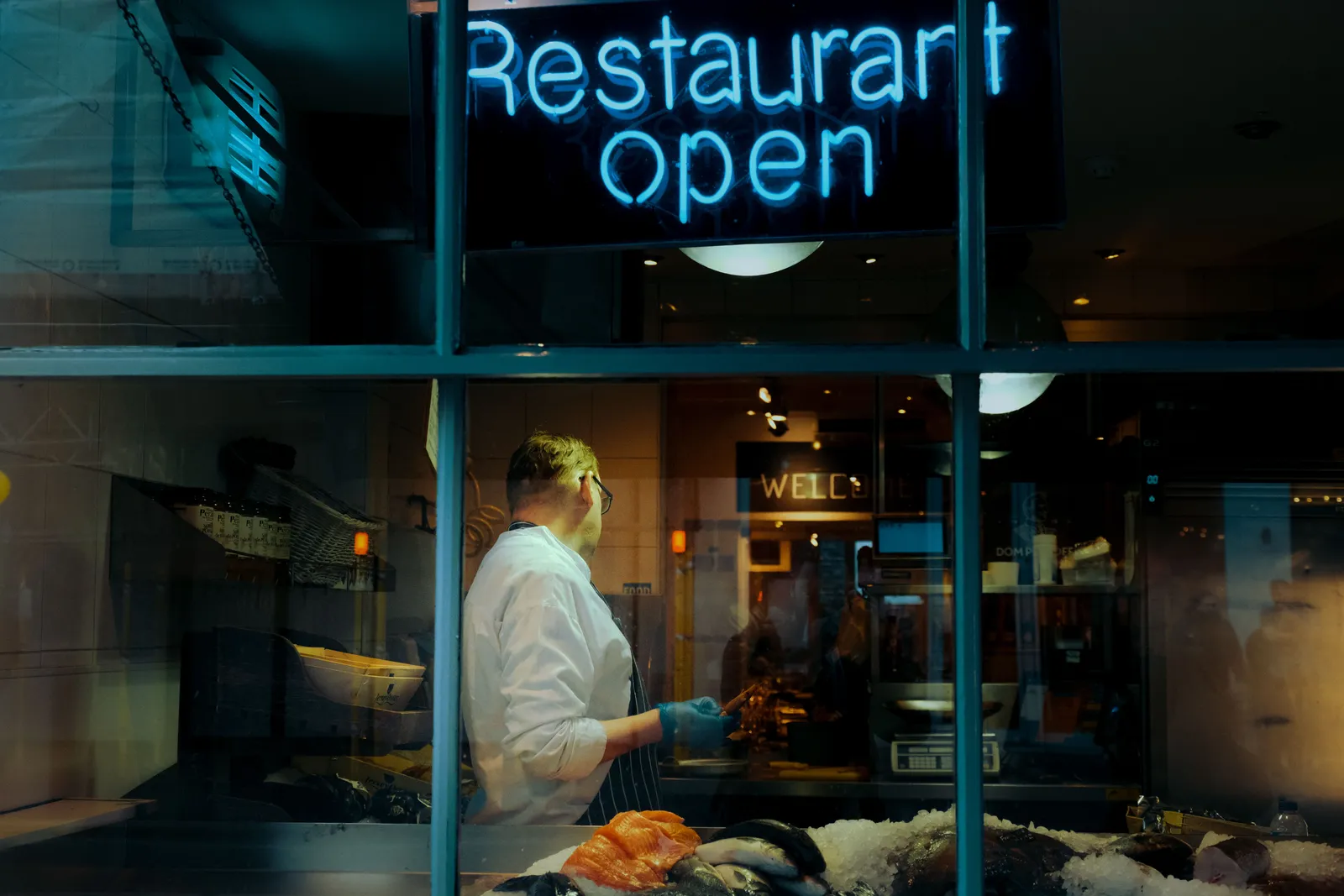
A New Hampshire restaurant in the Lakes Region, the White Mountains or on the seacoast lives on three or four peaks: summer on the lakes and the coast, fall foliage, and ski season. Between the peaks, in spring mud season and in late autumn especially, trade can drop sharply. The restaurants that run well treat the year as a calendar of different businesses, with different hours, menus and staffing in each.
What does the New Hampshire calendar look like?
A rough map of demand for a tourist-area restaurant looks like this:
| Period | Demand | What drives it |
|---|---|---|
| Summer | High on weekends | Lakes, beaches, camps, festivals |
| Autumn foliage season | Very high | Fall foliage |
| Winter | High on weekends in ski towns | Ski season, holidays |
| Sugaring season in late winter | Spike for some | Maple Weekend, sugaring season |
| Mud season in spring | Low | Mud season, snow melt |
| Late autumn | Low | Between foliage and ski |
The pattern is general, and each town differs. Ask local owners, the chamber of commerce and your own sales history from the previous year.
How should you set hours for the shoulder seasons?
Many restaurants close for a few weeks in spring or late autumn, or run reduced hours, for example Thursday to Sunday. The right choice depends on how much local trade you have. If locals support you, stay open on a shorter schedule and make it clear on your website, your Google profile and the door. If you close, give a reopening date and share it widely. Do not leave customers guessing. A mistaken drive to a closed restaurant costs you a regular.
How do you staff peaks and valleys?
Staffing is the hardest part. Seasonal workers fill summer and ski jobs, but housing is scarce in resort towns. Ideas that help:
- Offer a stable core schedule to your best year-round staff, even in the valleys.
- Help with housing, either through partnerships with local landlords or by renting a house for the season.
- Cross-train staff so they can cover multiple stations.
- Recruit early. Start looking for summer staff in winter, and ski staff in the late summer.
- Check the tipped wage rules for your pay structure. Our guide to New Hampshire's Meals and Rooms Tax and tipped wages covers the basics.
How do you manage reservations in the peaks?
Peak weekends in foliage season and in July fill up weeks ahead. Take reservations by phone and online, and decide how many tables to hold for walk-ins. A card on file or a deposit for large groups reduces no-shows on the nights when an empty table costs the most. Confirm by text or email the day before. Use a waitlist with text alerts so walk-ins can wait outside or in a nearby shop. Be honest about waits, because a stated wait that runs over feels worse than a long wait you named at the start.
What do you do about ordering and waste?
The peaks make ordering hard. You need to stock for a rush without carrying too much for the quiet days. Look at last year's sales for the same weekend, adjust for weather, and order in smaller batches. Build a menu with ingredients that overlap across dishes. In the quiet seasons, simplify the menu, since a smaller list cuts waste. New Hampshire's state liquor commission is a major supplier for licensees, so build order timing and delivery into your plan.
How do you earn in the quiet season?
Use the quiet months to build local trade and to prepare. Ideas include:
- Early-bird and midweek menus that bring locals in.
- Private events and holiday parties that fill the room.
- Gift cards, sold in the busy season and used in the quiet one. See our guide to state gift card laws, because New Hampshire has its own rule on expiration.
- Special nights, such as trivia, music or a tasting dinner.
- Takeout and meal kits for residents who live nearby year-round.
How do you handle weather?
Mountain weather can close roads, cancel hikes and cancel a weekend. Keep a flexible staffing plan, and keep a list of staff who will take a call at short notice. Have a plan for power cuts, including a generator or a plan to close, and for fresh food in the walk-in. Tell guests your cancellation policy for weather, and apply it consistently.
What about the tax and the check?
New Hampshire restaurants collect the Meals and Rooms Tax, 8.5 percent in the Department of Revenue Administration's 2026 booklet, as a separate line on the check. Visitors from states with sales tax sometimes assume the tax is included, so show it clearly on menus and online ordering pages. If you add a service charge for large groups, label it, and treat it for tax as the department directs.
What should you plan before next season?
Review last year's weekly sales, labor and food costs by week. Mark the weeks that lost money and decide what to change. Set your off-season dates by the end of summer. Open reservations early for foliage weekends, and announce your ski hours. A seasonal restaurant that plans its calendar has a much better chance of surviving the slow months.
More guides for your business:
- New Hampshire Meals and Rooms Tax and tipped wages for restaurants
- New Hampshire food service license and certified food manager rules
- New Hampshire liquor license for restaurants and the 2026 delivery license
More in the US guides for food businesses.
Questions
Common questions
When are the busiest times for a restaurant in northern New Hampshire?
Summer weekends, the fall foliage season, and ski season weekends and holidays.
What are the slowest times?
Spring mud season and late autumn, between foliage and ski season.
Should I close during the shoulder season?
It depends on local trade. Many reduce hours instead. Whatever you choose, publish the dates clearly.
How can I reduce no-shows on peak weekends?
Take a card number or deposit for large groups, confirm the day before, and use a waitlist for walk-ins.
How do I hire seasonal staff?
Start early, help with housing, offer a clear start and end date, and give a stable schedule to your core team.
What tax do New Hampshire restaurants collect?
The Meals and Rooms Tax, 8.5 percent in the department's 2026 booklet. Check the current rate with the Department of Revenue Administration.
More like this
Read next
Is your restaurant menu accessible? PDF vs web page and an ADA checklist
Why a PDF or photo of your menu can fail blind and low-vision guests, what an accessible menu page looks like, and a practical checklist for a small restaurant website and online ordering page.
ADA website accessibility for restaurants: what to fix first
Restaurant websites are a common target for accessibility demand letters. What the ADA says about websites, what WCAG 2.1 AA asks for, and a practical checklist for your menu, booking page, online ordering and PDFs.
ADA website demand letters for New York restaurants: what to do
Why New York restaurants receive ADA website accessibility demand letters, what the standard is, what to do on receiving one and how to fix the most common problems. General information, checked October 2026.
Allergen and menu labeling rules for restaurants in five states
Massachusetts has a restaurant allergy law with a poster, a menu notice and a trained manager. New York City has sodium warnings for large chains. What the other states leave to local health departments, and a safe kitchen routine.
Put your menu, your replies and your photos in front of diners
Claim your free listing and decide how your business looks to the people searching for a good dish near them.
Free to list: your menu, replies and photos.