
For businesses
Louisiana sales tax on restaurant meals: state, parish and New Orleans
Mosey · November 11, 2026 · 5 min read
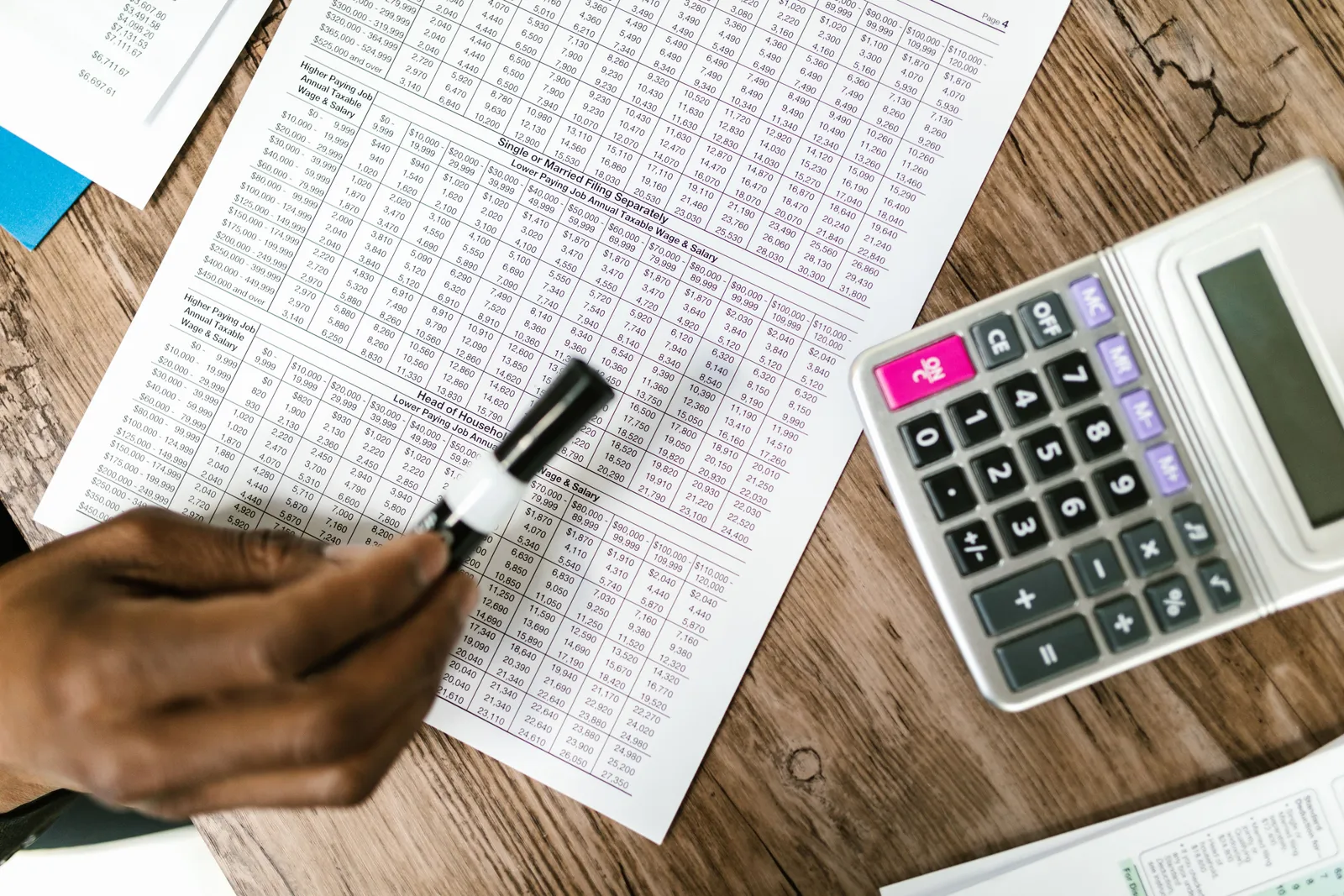
A cook who opens a restaurant in Louisiana learns quickly that groceries and restaurant meals are treated differently. Food bought to cook at home usually avoids the state sales tax, but a plate of red beans served at your counter does not. The state rate went up on January 1, 2025, local parishes add their own tax on top, and New Orleans has a further tax aimed at food service. This guide, checked in November 2026, explains how the layers stack, what the state and the city say about restaurant sales, and how to price a menu so the tax never comes out of your margin. It is general information, not legal advice. Confirm every rate with the Louisiana Department of Revenue before you set up your register.
What is the Louisiana state sales tax rate for restaurants?
The state sales tax rate is 5 percent from January 1, 2025. Before that date it was 4.45 percent, according to the Department of Revenue's rate page. The page marks the 5 percent rate with a note that it applies until December 31, 2029, and it does not say what the rate becomes after that, so put a reminder in your calendar for late 2029 and read the department's announcement then. The rate applies to the sale price of what you sell, so a $30 check carries $1.50 of state tax before any local tax is added.
Are restaurant meals taxable in Louisiana?
Yes. The Department of Revenue states that prepared food is generally subject to the state sales tax, and its own table lists meals sold by restaurants as generally taxable. A separate department answer says sales of prepared food by restaurants, drive-ins, snack bars and candy and nut counters are taxable whether or not the seller provides seating for eating on the premises. So a takeout order, a drive-through order and a plate at your table are all taxable. Food that qualifies as food for home consumption stays exempt, and the department says exemptions apply only as Louisiana law provides, so do not assume an item is exempt because a grocery store sells it without tax.
How do parish and New Orleans taxes add up?
The department's food page warns that local sales taxes may still apply depending on the location of the sale. Louisiana parishes set their own rates, so the combined rate on a check in one parish differs from the rate in the next. In New Orleans, the city's tax page lists an Orleans Parish tax of 5 percent and a Louisiana tax of 5 percent, for a combined 10 percent on sales of tangible personal property. That is the rate to plan around for a restaurant check in the city, and it means a $40 check carries $4 of tax in total.
The same city page lists a separate Orleans Parish Food and Drug tax of 4.5 percent. Because the page does not spell out which sales that rate reaches, ask the city's Bureau of Revenue, at the number on the page, how it applies to prepared meals before you build your point of sale. Restaurants in Orleans Parish may also owe the exhibition hall food and beverage tax, which has its own thresholds and its own return. Our separate guide on the New Orleans food and beverage tax explains it.
How should you show the tax on a menu and a check?
List menu prices without tax and show the tax as its own line on the check, as guests expect. Make sure your point of sale is set to the combined rate for your location, not the rate for the parish where your accountant works. If you run a food truck or cater events, the rate that matters is where the sale happens, so a truck that moves between parishes needs a rate for each stop. The department's food page says exactly that: the location of the sale decides which local taxes apply.
What about delivery, catering and tips?
Tax treatment of a delivery charge, a catered event and a mandatory gratuity depends on how each is stated on the check. Louisiana's definitions treat separately stated freight and delivery charges differently from the price of the food, and they treat tips differently depending on whether the charge is separately listed and goes to staff. Our guide on automatic gratuities and sales tax covers the tip rule. For delivery and catering, write down exactly how each charge appears on the check and ask your accountant to confirm the treatment before you promote a new service.
How do you protect your margin?
Tax is the guest's money, held by you for the state. It should never be paid from your food cost. Three habits help.
- Check that your register adds tax after discounts and never leaves it out of a comp or a promotion.
- Keep tax in its own ledger account so a quiet month is never spent on a tax payment.
- Review your combined rate every January and again after any parish election, because parishes can change local rates.
A weekly look at the tax line on your sales report takes five minutes. It catches a wrong setting before it runs for a quarter.
What should you do next?
Open your most recent sales report and compare the tax collected with the combined rate for your location. If the two do not agree, find out why before the next return is due. Then read how to register and file with the state's online system, so that your account, your return dates and your rates all match. Keep the department's rate pages and the city's page bookmarked, because Louisiana rates have changed in recent years and may change again.
More guides for your business:
- How to register and file Louisiana sales tax with LaTAP
- New Orleans food and beverage tax for restaurants
- Louisiana automatic gratuity, large parties and sales tax
More in the US guides for food businesses.
Questions
Common questions
What is the Louisiana state sales tax rate in 2026?
The state rate is 5 percent from January 1, 2025, and the Department of Revenue marks it as applying until December 31, 2029. Parishes and cities add their own taxes on top.
Is takeout from a restaurant taxable in Louisiana?
Yes. The Department of Revenue says prepared food sold by restaurants, drive-ins and snack bars is taxable whether or not the seller provides seating.
What is the combined sales tax rate in New Orleans?
The city lists an Orleans Parish tax of 5 percent and a Louisiana tax of 5 percent, a combined 10 percent on sales of tangible personal property.
Do local taxes depend on where I make the sale?
Yes. The department says local sales taxes may apply depending on the location of the sale, so a truck or caterer needs the rate for each stop.
Do I owe any other tax on food and drink in New Orleans?
You may. Businesses selling food or beverages in Orleans Parish may have to file the exhibition hall food and beverage return, with a rate set by prior-year sales.
Where should I confirm my rates?
Use the Department of Revenue for the state rate and the City of New Orleans Bureau of Revenue for Orleans Parish. Check again each January.
More like this
Read next
Is your restaurant menu accessible? PDF vs web page and an ADA checklist
Why a PDF or photo of your menu can fail blind and low-vision guests, what an accessible menu page looks like, and a practical checklist for a small restaurant website and online ordering page.
ADA website accessibility for restaurants: what to fix first
Restaurant websites are a common target for accessibility demand letters. What the ADA says about websites, what WCAG 2.1 AA asks for, and a practical checklist for your menu, booking page, online ordering and PDFs.
ADA website demand letters for New York restaurants: what to do
Why New York restaurants receive ADA website accessibility demand letters, what the standard is, what to do on receiving one and how to fix the most common problems. General information, checked October 2026.
Allergen and menu labeling rules for restaurants in five states
Massachusetts has a restaurant allergy law with a poster, a menu notice and a trained manager. New York City has sodium warnings for large chains. What the other states leave to local health departments, and a safe kitchen routine.
Put your menu, your replies and your photos in front of diners
Claim your free listing and decide how your business looks to the people searching for a good dish near them.
Free to list: your menu, replies and photos.