
For businesses
Is the restaurant labor shortage easing in 2026?
Mosey · November 11, 2026 · 5 min read
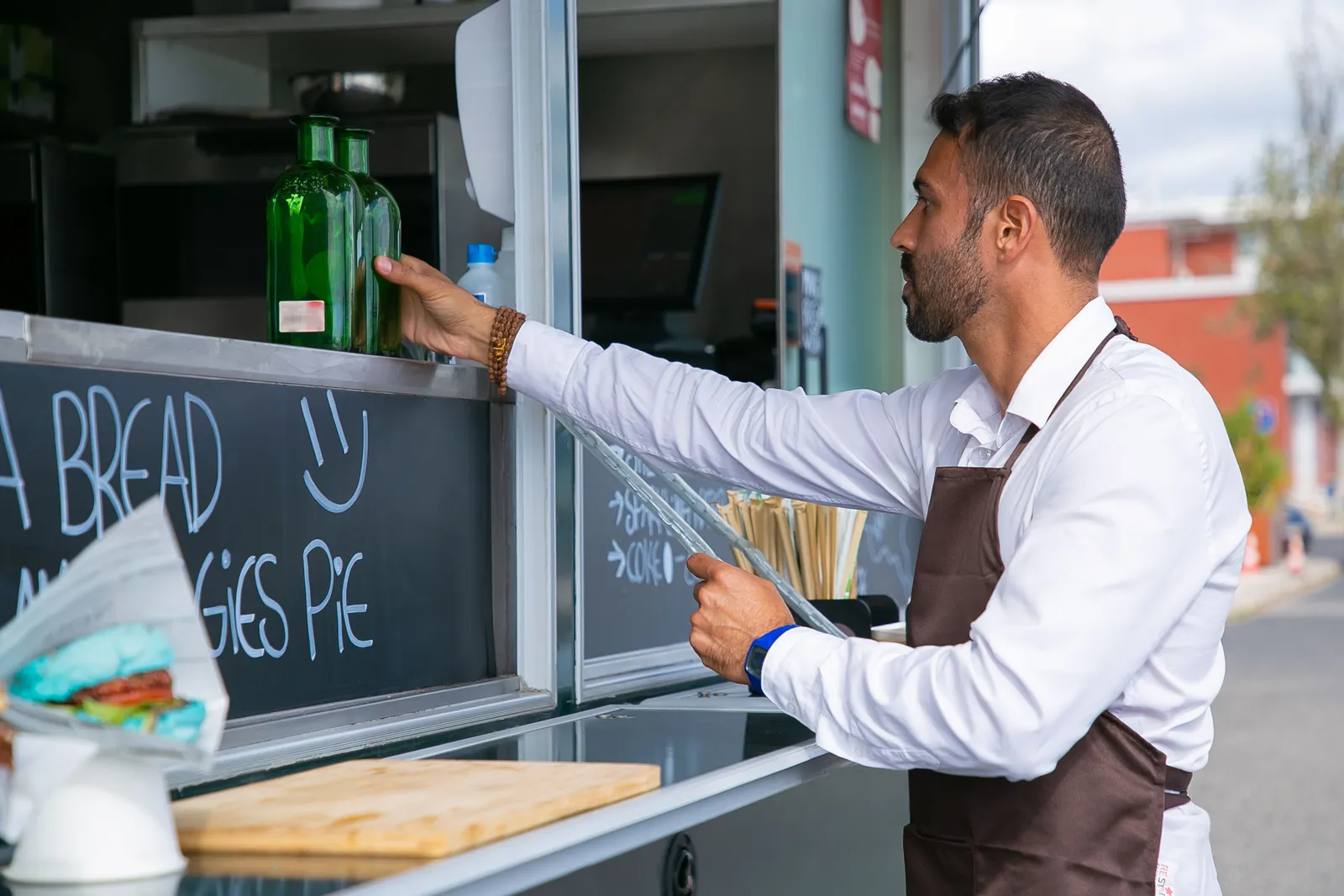
For years, the first line of every restaurant owner's story was the same: nobody applies. In 2026 the picture looks different, though not uniformly better. The federal data and the trade body show where hiring, quitting and pay are heading, and what a small business can do to keep a steady team.
What do the quit numbers show?
The Bureau of Labor Statistics reported that the quits rate in accommodation and food services was 3.5 percent in August 2026, against 3.9 percent a year earlier. A lower quits rate means fewer workers are leaving for something else. That is a sign of a cooling job market and of workers staying where they are. It does not mean turnover is low in absolute terms, because the restaurant industry has historically had higher turnover than most.
Are there fewer job openings?
Reports citing federal data say job openings in accommodation and food services were lower in mid-2026 than a year earlier. Fewer openings suggest that owners have filled some of the gaps or are hiring less. Monthly figures are revised, so treat the numbers as a direction and not a precise count.
Is restaurant employment growing?
The National Restaurant Association reported, as cited by industry sources, a preliminary net gain of jobs at eating and drinking places in August 2026. The association's tracker later revised that month down, so treat the first number as an early estimate. Employment at eating and drinking places is only about one percent above its February 2020 level. Headcount has recovered overall. But the recovery is uneven, and the same reports say that full-service restaurants have recovered more slowly than counter-service and coffee concepts.
Why is hiring still hard for some restaurants?
Several reasons recur. Full-service jobs often require evening and weekend hours, which not every worker wants. Skilled cooks and managers take time to train. Housing costs in resort towns and big cities push workers away. And a worker who has other options will choose a job with predictable hours and fair pay. A restaurant with a good reputation as an employer finds hiring easier than one without.
What is happening with pay?
Minimum wages are rising in several states on a schedule. Rhode Island's minimum is set to rise to $17.00 in January 2027, according to the state's Department of Labor and Training, and other states have scheduled increases of their own. In states that follow the federal $7.25 minimum, market pay for cooks and servers is set by competition, not by law. Whatever your state, the pay you offer has to compete with the shop and the warehouse down the road.
How can you keep the team you have?
- Publish schedules at least two weeks ahead, and keep them stable.
- Offer a clear path from dishwasher to prep cook to line cook, with a raise at each step.
- Cross-train so that a busy night does not mean a stressed one.
- Pay on time and explain every paycheck.
- Share the good reviews with the team and thank people by name.
- Offer a staff meal that is real food.
These cost little and they work, because people stay where they feel respected.
How should you hire?
Be specific about the job. Post the hours, the pay and what a good week looks like. Hire for attitude and teach skill. Ask your current staff for referrals, and thank them if a referral works out. Work with local culinary schools and high schools. Keep a bench of part-timers who know your kitchen and can cover a call-out.
What should you plan for in 2027?
Expect steady demand for experienced cooks, higher scheduled wages in some states, and guests who watch prices. Plan your labor as a percentage of sales, and watch it weekly. Keep training simple and written down, so that a new hire can be useful in the first week.
What should a first-week plan look like?
On day one, introduce the team, show the station and give a written list of tasks. On day two, pair the new hire with a veteran for a whole shift. By day three, let them handle one task alone with a check. By the end of the week, hold a ten-minute talk about how it is going. Write down what you changed in response. People who feel set up to succeed stay longer, and the cost of a new hire is high.
What if you have to cover with fewer people?
Shorten the menu, close a section of the dining room or move to counter service for a night. Tell guests the reason in a friendly way. A well-run short menu is better than a long one done badly. Keep a list of staff who want extra hours, and ask early in the week, not an hour before service.
Is hiring harder than it should be for a place that is already busy?
A busy, well-rated restaurant attracts both guests and good staff. Mosey is a food-first app where diners find places by dish, mood and neighborhood and rate what they actually ate. A business can host a menu page, show its best-rated dishes and reply to guests, and nobody can pay to outrank it, since top spots on Mosey are earned from ratings alone. Praise for your food can also be a good reason for a cook to join your team.
More guides for your business:
- What tariffs mean for restaurant food costs in 2026
- Why are diners eating out less, and what brings them back?
- Why are restaurant costs rising in 2026 and 2027?
More in the US guides for food businesses.
Questions
Common questions
Is the restaurant labor shortage over?
It is easing in some measures, such as quits and openings, but full-service restaurants have recovered more slowly.
What is the quits rate in food service?
The Bureau of Labor Statistics reported 3.5 percent in August 2026, against 3.9 percent a year earlier.
Are restaurant jobs growing?
Slowly. Industry reports citing the National Restaurant Association gave a preliminary gain at eating and drinking places in August 2026 that was later revised lower, and employment is only about one percent above its February 2020 level. Check the association's latest tracker.
Which restaurants struggle most?
Reports say full-service restaurants, compared with counter-service and coffee concepts.
How do I keep staff?
Stable schedules, clear paths to promotion, fair pay, cross-training and thanks.
Are wages rising?
In several states, yes. Rhode Island, for example, lists an increase to $17.00 for January 2027. Check your own state's labor department for the date and the figure that apply to you, and plan your schedule before the change.
More like this
Read next
Is your restaurant menu accessible? PDF vs web page and an ADA checklist
Why a PDF or photo of your menu can fail blind and low-vision guests, what an accessible menu page looks like, and a practical checklist for a small restaurant website and online ordering page.
ADA website accessibility for restaurants: what to fix first
Restaurant websites are a common target for accessibility demand letters. What the ADA says about websites, what WCAG 2.1 AA asks for, and a practical checklist for your menu, booking page, online ordering and PDFs.
ADA website demand letters for New York restaurants: what to do
Why New York restaurants receive ADA website accessibility demand letters, what the standard is, what to do on receiving one and how to fix the most common problems. General information, checked October 2026.
Allergen and menu labeling rules for restaurants in five states
Massachusetts has a restaurant allergy law with a poster, a menu notice and a trained manager. New York City has sodium warnings for large chains. What the other states leave to local health departments, and a safe kitchen routine.
Put your menu, your replies and your photos in front of diners
Claim your free listing and decide how your business looks to the people searching for a good dish near them.
Free to list: your menu, replies and photos.