
For businesses
Is Phoenix's restaurant scene still growing in 2026?
Mosey · November 11, 2026 · 4 min read
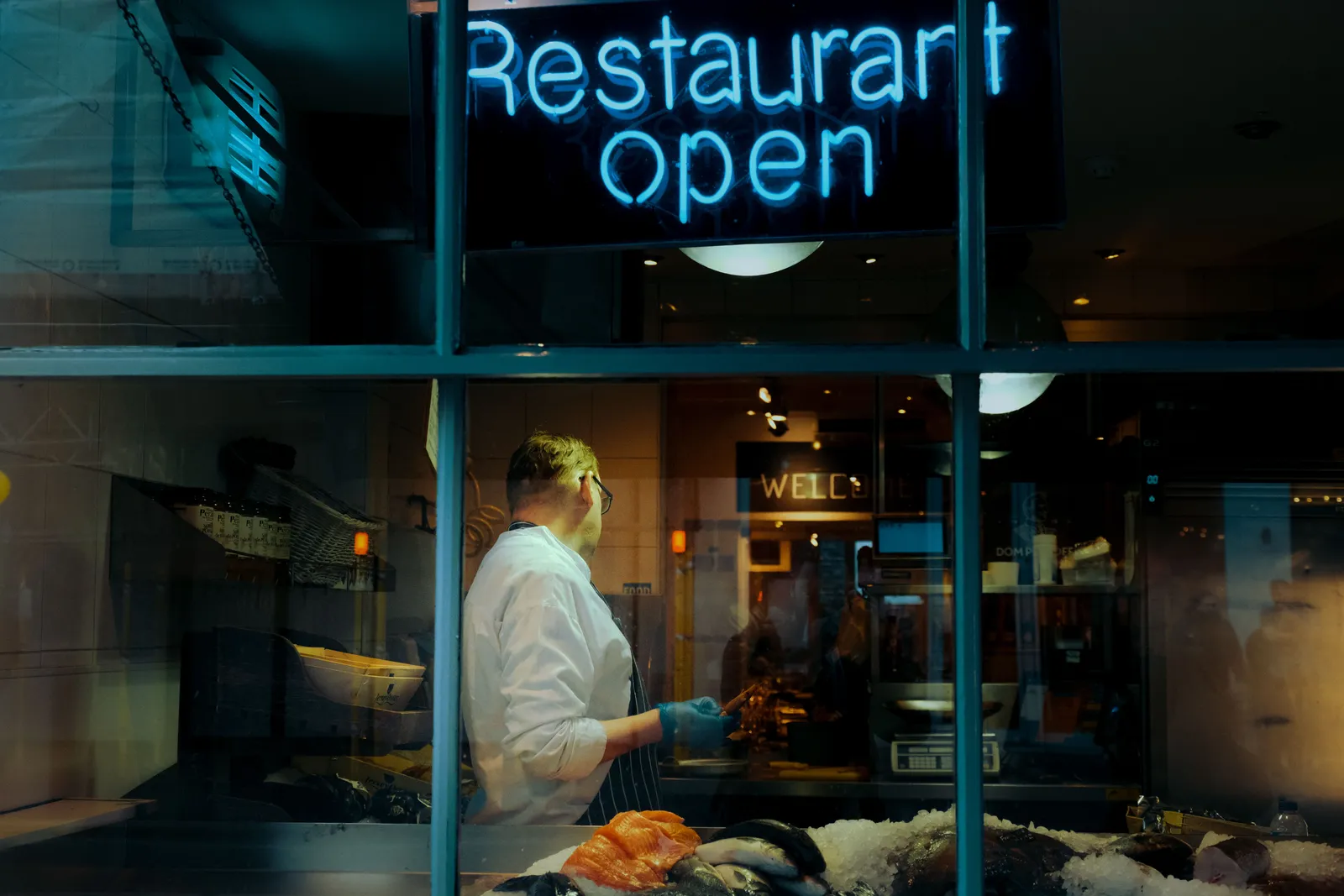
Phoenix is a restaurant city on the rise. New places open every month, downtown streets such as Roosevelt Row keep filling with new projects, and talk of a Michelin Guide arriving in Arizona has the whole Valley paying attention. For an independent, a busy market is both good news and a challenge: more diners are looking for somewhere to eat, and more doors are competing for them. Here is how to hold your ground and win your share.
What is the Phoenix restaurant scene like in 2026?
Varied and ambitious. Chef-led projects, dumpling houses, theatrical Italian rooms, tiki bars, new Thai kitchens and the first Valley sites of national fast-casual brands all share the same neighborhoods, and breakfast spots keep multiplying. The scene is no longer a city of chains with a few independents on the side. It is a city where independents set the pace.
What is happening downtown?
Downtown Phoenix, and Roosevelt Row in particular, has attracted a cluster of new projects from local restaurant groups. New foot traffic helps everyone nearby, and it also raises the bar. If you are within walking distance of a busy block, expect curious guests who want to try the new thing and then compare it with you.
What about closures?
Closures are part of any restaurant market, and a hot market sorts the sharp from the merely fine. Ask your trade association, your landlord and the owner next door what they see on your block, and watch your own numbers weekly. A quiet month you spot early is a problem you can solve, and a regular you thank by name this week is one who comes back next week.
Why does Phoenix attract restaurants?
A large and growing metro area, a long patio season, visitors from spring training and winter travel, and rents that are lower than on the coasts. Those reasons apply unevenly across the Valley, but they point the same way: supply is growing, which means more competition for the same diners.
What does it mean for an independent?
New openings raise expectations. Guests compare your service, your room and your menu with the newest place, often on the same night. A good restaurant with a clear identity will survive, but a restaurant that is merely fine may find it harder. The advantage of an independent is a point of view and a personal touch: a dish no chain makes, a host who remembers names, a story about the food.
How can you compete?
- Be known for one or two dishes, and make them excellent.
- Keep your service steady and friendly.
- Update your room when it needs it, within your budget.
- Collect and answer reviews.
- Run events that suit your neighborhood.
- Keep your costs tight so a slow month does not become a crisis.
- Track your numbers weekly.
How do you respond to a big opening next door?
Do not panic and do not copy. Make sure your regulars feel noticed, and give them a reason to visit that week. Let the novelty pass. Many new restaurants draw crowds for a few months and then settle. A steady restaurant outlasts a trend.
Where do you find reliable local data?
The city's economic development office, the Greater Phoenix Chamber and the state's Office of Economic Opportunity publish data on jobs and business growth. Your own point-of-sale data is the most useful source of all.
What should you watch next?
Watch the openings near you, rents and renewal terms, minimum wage changes each January and the effect of big events. Keep an eye on your own repeat guests: if the share who return within a month falls, something has changed. Compare notes with other owners in your area at least once a quarter, since they see the same patterns you do and will share what is working.
What do guests look for in a crowded market?
Diners in a market with constant openings tend to look for three things: a dish they cannot get elsewhere, a place that feels welcoming and a price that feels fair for what arrives. Ask your regulars why they come to you instead of a newer place, and write down what they say. Their answers are your positioning, and they are better than any guess you could make from outside.
Are you hoping guests find your dish before they find the newcomer?
In a crowded market, people choose by dish and mood, not by the newest name. Mosey is a food-first app where diners find places by dish, mood and neighborhood and rate what they actually ate. A restaurant can host a menu page, show its best-rated dishes and reply to guests, so a long-standing favorite can be found by someone searching for exactly what you cook. Nobody can pay to outrank you there, because Mosey Gold is earned from ratings alone.
More guides for your business:
- How to get more customers to a restaurant in Phoenix
- Maricopa County mobile food unit permit guide for food trucks
More in the US guides for food businesses.
Questions
Common questions
Is Phoenix adding restaurants in 2026?
Yes. Openings continue across the Valley, including downtown and national chains, and independents are part of the mix.
Is a Michelin Guide coming to Arizona?
Nothing is announced yet, though the possibility has the Valley talking.
How many restaurants close in Phoenix?
No reliable Arizona-specific closure figure is given here. Ask your trade association.
Why does Phoenix attract restaurants?
Operators cite a large metro area, patio weather, visitors and comparatively lower rents. These are not measured here.
How can an independent compete?
Be known for one or two dishes, keep service steady, run neighborhood events and track costs.
Where can I find local data?
City economic development, the Greater Phoenix Chamber and your own sales reports.
More like this
Read next
Is your restaurant menu accessible? PDF vs web page and an ADA checklist
Why a PDF or photo of your menu can fail blind and low-vision guests, what an accessible menu page looks like, and a practical checklist for a small restaurant website and online ordering page.
ADA website accessibility for restaurants: what to fix first
Restaurant websites are a common target for accessibility demand letters. What the ADA says about websites, what WCAG 2.1 AA asks for, and a practical checklist for your menu, booking page, online ordering and PDFs.
ADA website demand letters for New York restaurants: what to do
Why New York restaurants receive ADA website accessibility demand letters, what the standard is, what to do on receiving one and how to fix the most common problems. General information, checked October 2026.
Allergen and menu labeling rules for restaurants in five states
Massachusetts has a restaurant allergy law with a poster, a menu notice and a trained manager. New York City has sodium warnings for large chains. What the other states leave to local health departments, and a safe kitchen routine.
Put your menu, your replies and your photos in front of diners
Claim your free listing and decide how your business looks to the people searching for a good dish near them.
Free to list: your menu, replies and photos.