
For businesses
Illinois restaurant sales tax: how Chicago and Cook County rates stack
Mosey · November 11, 2026 · 5 min read
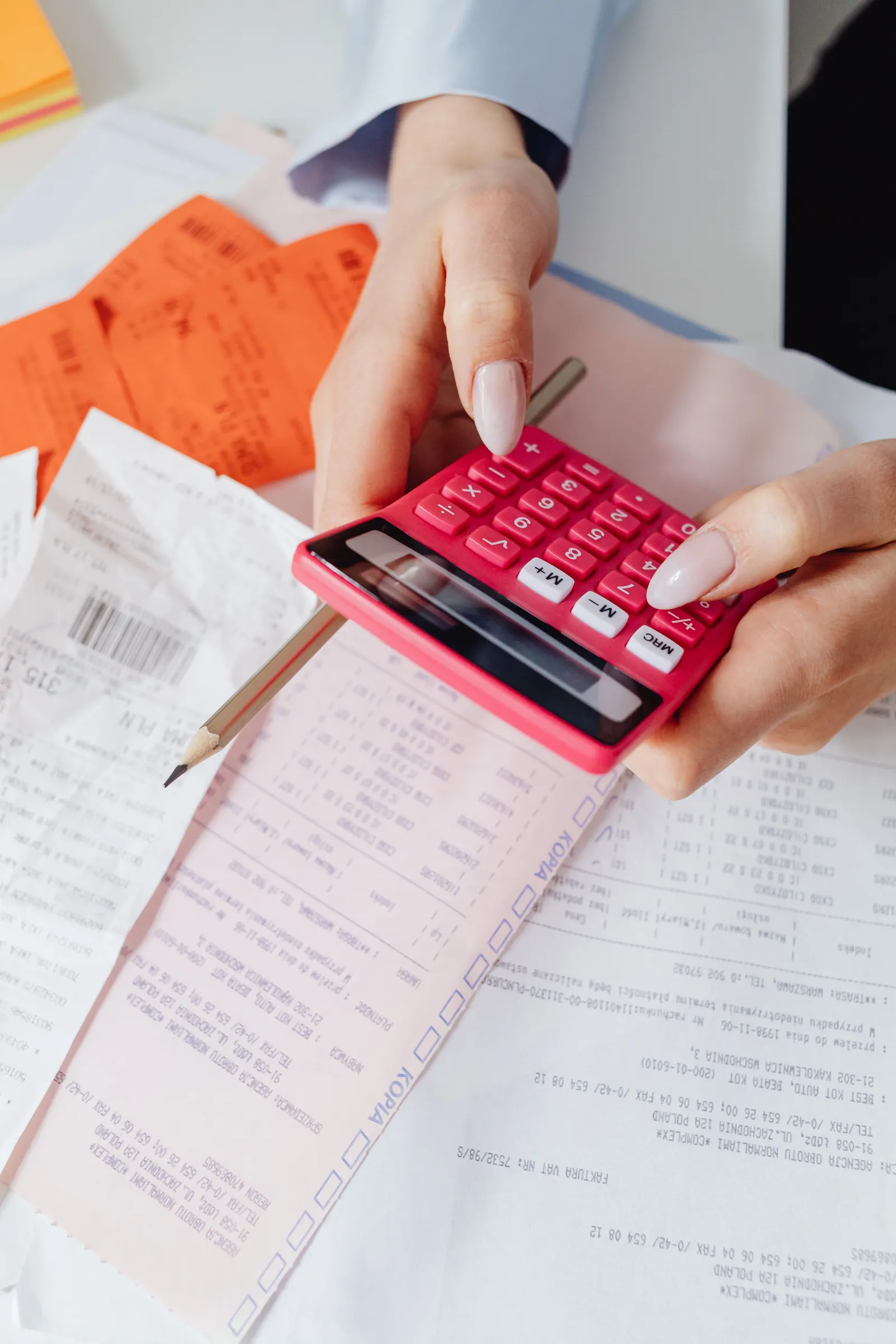
An Illinois restaurant collects state sales tax plus the local taxes that belong to its address, and a Chicago restaurant also collects the city's separate tax on food and drink sold for eating. The combined rate is not one number for the whole state, and websites that publish a single figure often disagree. The only safe rate is the one the Illinois Department of Revenue and, in Chicago, the city's Department of Finance publish for your address. This guide explains how the layers fit together and how to confirm the rate before you set the register.
What makes up the Illinois rate?
There is a state rate, and on top of it counties, cities and transit districts can add their own taxes. That is why a restaurant in Cook County pays a different combined rate from one in a downstate county, and why two restaurants in the same county can differ if one sits inside a special taxing district. Third-party guides add the layers up in different ways and some are out of date, so treat any single website as a starting point and nothing more. Ask the Department of Revenue for the combined rate for your exact address.
What is the Chicago restaurant tax?
Chicago imposes a tax of its own on food and drink sold by places for eating, which the Department of Finance lists among the taxes it collects. It is separate from the sales tax, and it is reported to a different government. A restaurant in the downtown area may also be inside a district that carries an additional tax tied to the city's exhibition and pier authority. Ask the Department of Finance whether your address falls in such a district and what the current rates are, and do not copy a rate from a guide that is more than a few months old.
How do you find your rate?
Do not rely on a single table. Use this routine:
- Ask the Illinois Department of Revenue for the combined sales tax rate for your address.
- For a Chicago address, ask the Department of Finance for the restaurant tax rate and for any district tax.
- Compare both answers with the rates in your point of sale.
- Save the result with the date and the name of the source.
- Repeat the check at least twice a year and whenever you open or move a location, since local rates can change.
Why can two restaurants a mile apart differ?
Local taxes follow the address. A restaurant just inside the Chicago line pays the city's taxes, and one just outside, in a suburb, pays that suburb's rate instead, plus any home rule tax it has adopted. A restaurant inside a special taxing district can pay more again. When a location opens or moves, check the new address before the first sale, because a rate that was right at the old premises may be wrong at the new ones.
How should the check show tax?
Show tax as its own line, and if your system lets you show the restaurant tax separately from the sales tax, do so. Your bookkeeper will need the figures separately, since they go to different governments. If you take online orders, make sure the website rate matches the counter, and that a delivery order uses the rate for the delivery address, not only the restaurant's.
A worked example with made-up rates
Suppose an $80 dinner check is taxed at a combined 10 percent, which is $8.00 of tax. If a further 0.5 percent city tax also applies and your register leaves it out, you under-collect 40 cents on that check. At 30,000 checks a year that is $12,000 that the business must find from its own pocket. The rates here are invented to show the arithmetic. The point is that a small rate error becomes a large annual error, so confirm the real rates with the two departments.
What about tips and service charges?
A voluntary tip is not part of the sales price. A mandatory gratuity is treated differently, and Illinois has guidance on gratuities paid to staff, which the guide on mandatory gratuities for large parties explains.
What mistakes cost restaurants money?
- Using a downstate or suburban rate for a Chicago address.
- Leaving out the restaurant tax or a district tax.
- Setting the rate once and never reviewing it.
- Letting the delivery platform and the register run on different rates.
- Treating a third-party rate site as official.
How do you explain the total to guests?
Chicago guests are used to a high total, but visitors are not, and a server will hear the question about why the tax is more than they expected. Give the team a plain answer: the total includes the state tax, the county tax, the city tax and the transit tax, and the city also has a tax on restaurant meals. If your menu shows prices without tax, say so at the top, and if your point of sale prints the tax by name, guests can see where the money goes. A guest who understands the line rarely argues with it.
Keep a dated copy of each rate you confirmed, who confirmed it and how. If an auditor asks why a rate was applied, that record is your answer, and it is worth having before the question arrives.
More guides for your business:
- How to register and file Illinois sales tax for a restaurant
- Illinois mandatory gratuity and sales tax for large parties
- Illinois interchange fee law and card fees on tips and tax
More in the US guides for food businesses.
Questions
Common questions
What is the Chicago sales tax rate for a restaurant?
The combined rate is the state rate plus county, city and transit layers, with the city restaurant tax and any downtown district tax on top. Published figures vary, so confirm the current rates with the Illinois Department of Revenue and the Chicago Department of Finance.
What is the Illinois state sales tax rate?
The state sets one rate and local governments add to it, so the combined rate depends on your address. Ask the Illinois Department of Revenue for the rate that applies to your location instead of relying on a table from a website.
Does Chicago have a separate restaurant tax?
Yes. The Department of Finance lists a tax on food and drink sold for eating, separate from sales tax and reported to the city. Confirm the current rate and whether your address is in a downtown district with the Department of Finance.
Why does a suburban restaurant pay a different rate?
Local taxes follow the address, and each municipality and taxing district sets its own. A restaurant just outside the city limit pays the suburb's rate, not the city's, so check the rate every time you open or move a location.
How often should I check my rate?
At least twice a year, and whenever you open or move a location. Local rates can change, so save a dated copy of each confirmation, with the name of the source, in your tax records.
More like this
Read next
Is your restaurant menu accessible? PDF vs web page and an ADA checklist
Why a PDF or photo of your menu can fail blind and low-vision guests, what an accessible menu page looks like, and a practical checklist for a small restaurant website and online ordering page.
ADA website accessibility for restaurants: what to fix first
Restaurant websites are a common target for accessibility demand letters. What the ADA says about websites, what WCAG 2.1 AA asks for, and a practical checklist for your menu, booking page, online ordering and PDFs.
ADA website demand letters for New York restaurants: what to do
Why New York restaurants receive ADA website accessibility demand letters, what the standard is, what to do on receiving one and how to fix the most common problems. General information, checked October 2026.
Allergen and menu labeling rules for restaurants in five states
Massachusetts has a restaurant allergy law with a poster, a menu notice and a trained manager. New York City has sodium warnings for large chains. What the other states leave to local health departments, and a safe kitchen routine.
Put your menu, your replies and your photos in front of diners
Claim your free listing and decide how your business looks to the people searching for a good dish near them.
Free to list: your menu, replies and photos.