
For businesses
How many Massachusetts restaurants have closed in 2026?
Mosey · November 11, 2026 · 5 min read
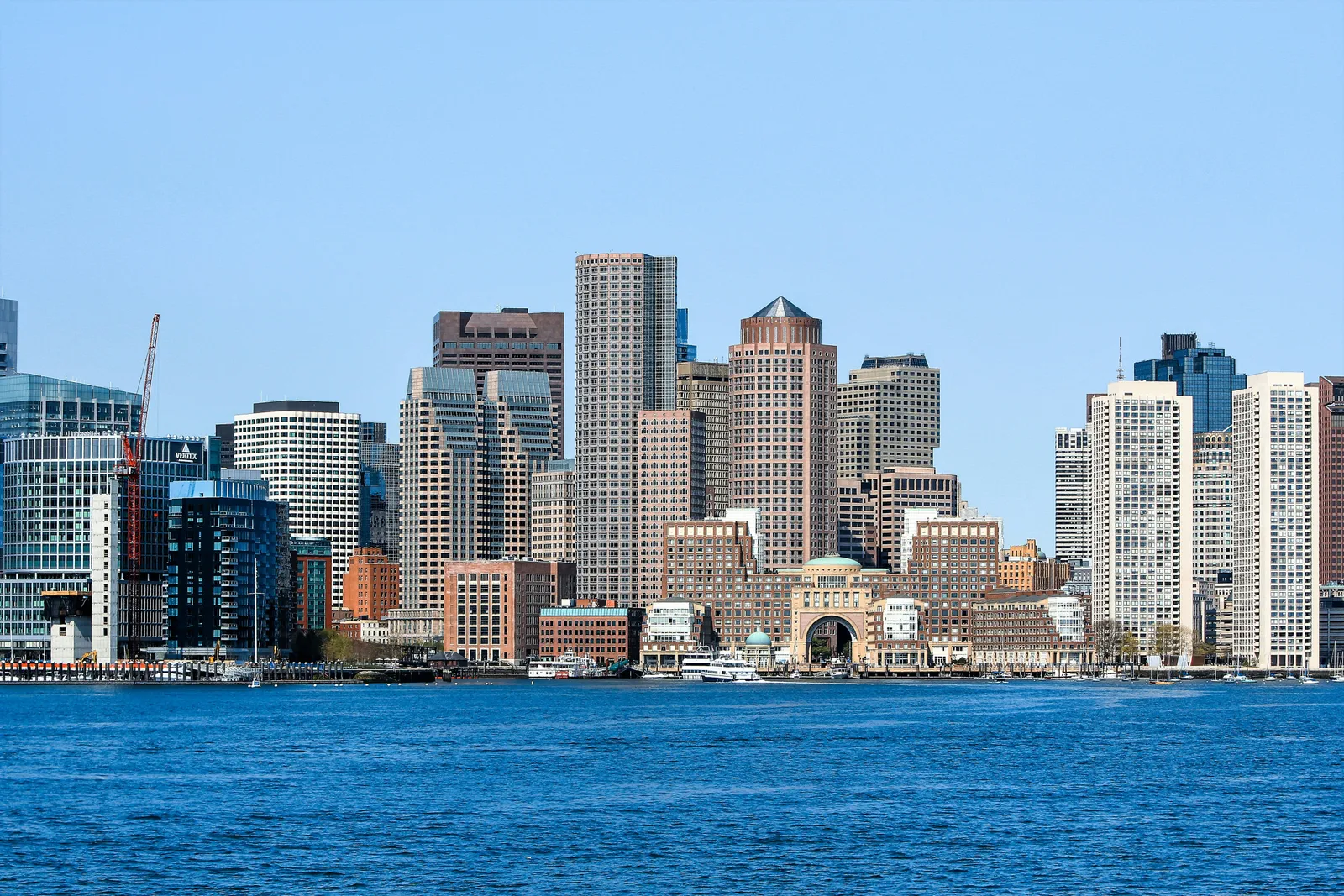
Every few weeks a familiar name closes in Boston or on the North Shore, and the same question comes up: is something wrong with the restaurant business in Massachusetts? Closures are visible, and openings are quieter, so it is easy to read a trend into them. This piece looks at what a data tracker estimated for the first half of the year, why such counts are hard to read, and what an independent owner can take from them. It names no closed restaurant. Treat every number below as an estimate and check the original.
What do the trackers say about 2026?
A restaurant data company, RestaurantData, estimated that thousands of restaurant locations closed across the United States and Canada between January and June 2026, and its report attributed a share of them to Massachusetts and the Boston area. These are third-party estimates built from public listings and news, not government counts, and the company's method may differ from one report to the next. The figures tell you the scale, not the cause.
Why is a closure count hard to read?
A closure is not always a failure. Owners retire, sell, relocate or convert a space. A chain closes weak locations to focus on stronger ones. A restaurant may close and reopen under new ownership within weeks. Counts also depend on how a tracker treats seasonal restaurants and temporary closures. A raw number says little unless you know the number of restaurants in the base and how many opened in the same period. Massachusetts has thousands of restaurants, so even a large number of closures can be a small share.
Are costs part of the story?
Owners who have talked publicly about closing often cite rising operating costs and a hard economic climate. The National Restaurant Association's 2026 report says 42 percent of operators reported that their restaurant was not profitable last year, which suggests that thin margins are widespread. In Massachusetts, the state wage rules have not changed lately, so the pressure comes from the accumulation of costs: food, labor, leave contributions, insurance, energy and card fees. Restaurant prices in the Boston area rose more slowly than the national rate this year, according to the Bureau of Labor Statistics, which may have limited owners' ability to pass costs on.
Which restaurants are most exposed?
Those with high rent, large dining rooms that need heavy traffic, narrow margins and few regulars. Restaurants that depend on office workers or convention traffic have seen patterns change. Seasonal businesses are exposed to one bad summer. Restaurants that have loyal local guests, a focused menu and manageable fixed costs tend to hold up better. These are general observations, not a forecast, and exceptions are many.
What can an independent do now?
- Know your break-even number and check it every week.
- Keep a reserve of several weeks of fixed costs.
- Renegotiate rent and equipment leases before they become a crisis.
- Trim the menu to the dishes that sell and make money.
- Build a base of regulars with a reason to come back.
- Talk to your landlord, bank and suppliers early if you are struggling.
- Ask your accountant about restructuring options before you run out of cash.
What if you are thinking of closing?
Plan the closing as carefully as an opening. Review your lease obligations, your liquor license, your gift card liabilities and your final payroll, including accrued time under state law. Massachusetts has its own rules on gift cards and final wages, so ask a lawyer or the Attorney General's office. Tell your staff and regulars with as much notice as possible, and thank them. A graceful exit protects your reputation and your next venture.
What should guests take from it?
Closures are a reminder that independent restaurants run on narrow margins and on the loyalty of their guests. A regular visit on a Tuesday matters more than a crowded Saturday. If you run a restaurant, say so to your regulars, in plain words. If you eat out, go back to the restaurants you love.
What are the early warning signs?
Late payments to suppliers, a falling cash balance, staff cut hours and a growing pile of unpaid bills are the usual first signs. Another is a drop in weeknight covers that lasts more than a month. If you see them, act early: call your landlord, talk to your accountant and look at your menu and your hours. Early conversations leave more options than late ones, and many landlords and suppliers would rather adjust terms than lose a tenant or a customer.
How do you talk to guests about a hard patch?
Tell them honestly, in a sentence or two, on your menu or your door. Something like: we are a small family business and every visit helps. Guests respond to candor far better than to silence, and regulars often bring friends. Avoid blaming anyone, and always thank people by name when you can.
Worried that quiet tables will become empty ones?
A steady stream of guests is the best protection a restaurant has. Mosey is a food-first app where diners find places by dish, mood and neighborhood and rate what they actually ate. A restaurant can host a menu page, show its best-rated dishes and reply to guests, which helps the people who would love your cooking find you before the next slow month.
More guides for your business:
- Massachusetts happy hour ban: what bars and restaurants can offer instead
- Massachusetts paid family and medical leave for restaurant employers
- What Massachusetts Question 5 means for restaurants after the 2024 vote
More in the US guides for food businesses.
Questions
Common questions
How many Massachusetts restaurants closed in early 2026?
A private tracker, RestaurantData, attributed a share of the thousands of closures it estimated across the United States and Canada to Massachusetts and the Boston area. These are third-party estimates from public listings and news, not official counts, so use them for scale only.
Are closure counts official?
No. They come from private trackers that use public listings and news. Methods differ.
Is every closure a failure?
No. Owners retire, sell, relocate or convert spaces, and some restaurants reopen under new owners.
How many restaurants are unprofitable?
The National Restaurant Association's 2026 report says 42 percent of operators reported that their restaurant was not profitable last year, nationally. Know your own break-even number and check it every week.
What should I check if I am closing?
Your lease, liquor license, gift card obligations and final payroll. Ask a lawyer or the Attorney General for Massachusetts rules.
How can a restaurant protect itself?
Know your break-even, keep a cash reserve, trim the menu and build a base of regulars.
More like this
Read next
Is your restaurant menu accessible? PDF vs web page and an ADA checklist
Why a PDF or photo of your menu can fail blind and low-vision guests, what an accessible menu page looks like, and a practical checklist for a small restaurant website and online ordering page.
ADA website accessibility for restaurants: what to fix first
Restaurant websites are a common target for accessibility demand letters. What the ADA says about websites, what WCAG 2.1 AA asks for, and a practical checklist for your menu, booking page, online ordering and PDFs.
ADA website demand letters for New York restaurants: what to do
Why New York restaurants receive ADA website accessibility demand letters, what the standard is, what to do on receiving one and how to fix the most common problems. General information, checked October 2026.
Allergen and menu labeling rules for restaurants in five states
Massachusetts has a restaurant allergy law with a poster, a menu notice and a trained manager. New York City has sodium warnings for large chains. What the other states leave to local health departments, and a safe kitchen routine.
Put your menu, your replies and your photos in front of diners
Claim your free listing and decide how your business looks to the people searching for a good dish near them.
Free to list: your menu, replies and photos.