
For businesses
Georgia food truck permits: mobile food units and the base of operation
Mosey · November 11, 2026 · 5 min read
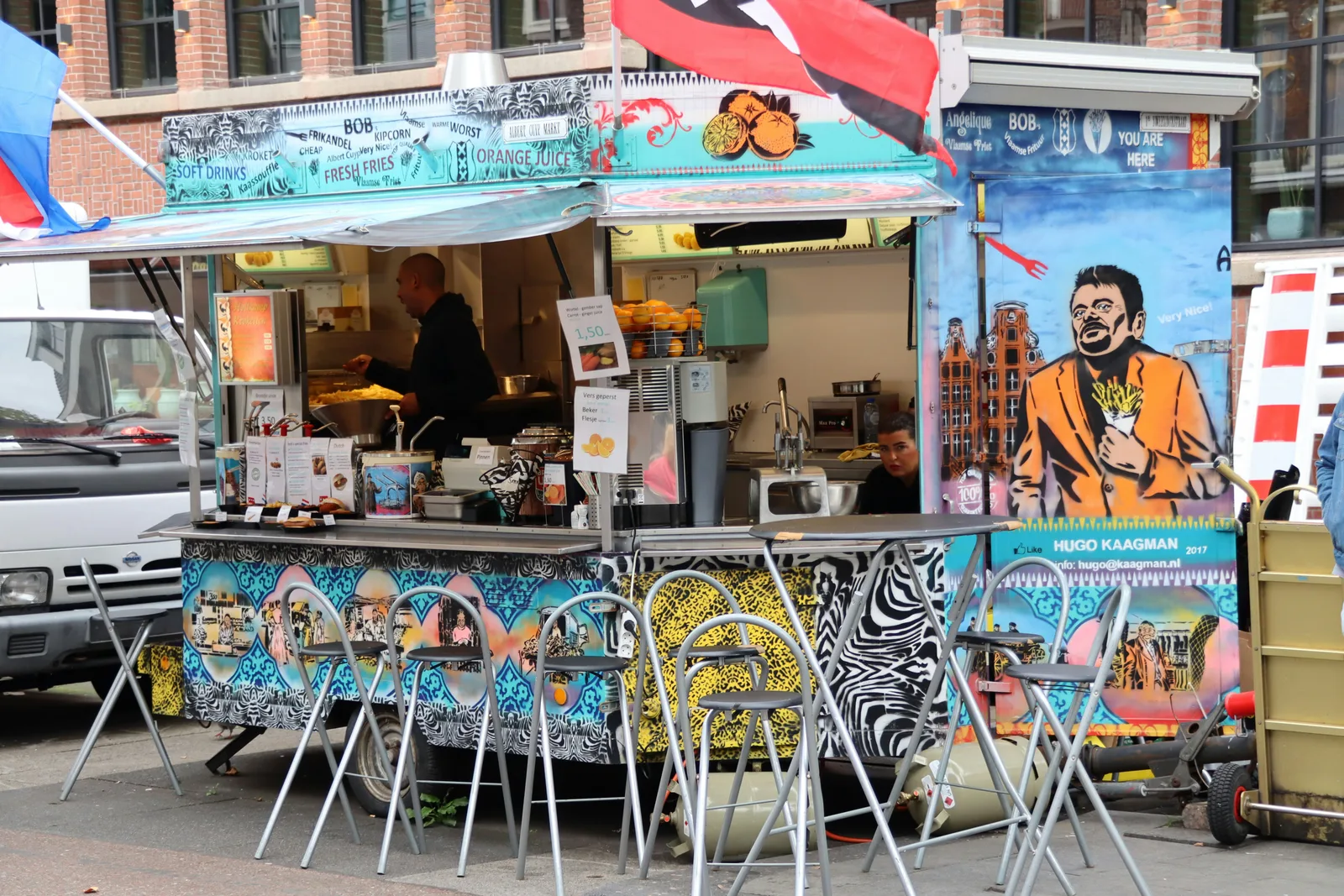
Food trucks are part of the dining scene in Atlanta, Savannah, Athens and many smaller towns, and restaurant owners often look at a truck as a second channel, a catering tool or a way to test a new concept. Georgia has its own food service rules for mobile units, and the permit process involves several offices. Here are the main steps in plain language. Treat it as a checklist, and confirm every point with the county board of health and the Georgia Department of Public Health before you spend money.
Who regulates food trucks in Georgia?
Food service is regulated by the Georgia Department of Public Health, and county health departments, sometimes called boards of health, do the local work: plan review, inspection and permits. Cities add their own business licensing and zoning rules. In Atlanta, ask both the county board of health and the City of Atlanta which office handles which step. In other places, a different county or a district health department may be your contact. Call the office where your base will be.
What is a base of operation or commissary?
A mobile food service unit generally has to operate from a base of operation, usually a licensed commissary or restaurant kitchen in Georgia. The commissary is where the truck stores food, cleans, fills water, dumps wastewater and disposes of trash. Ask the county whether an out-of-state commissary is accepted, and get the agreement in writing, describing trash disposal, wastewater dumping, dry storage and how often the truck uses it. If you own a restaurant, your kitchen may be able to serve as the base once the county approves it.
Do you need more than one permit?
Usually yes. You must apply for a mobile food service unit permit for the truck and a permit for the base of operation with your county or local health authority. Then you may need a city business license, zoning approval for where you will park, a fire inspection or fire safety approval for propane and fryers, a state sales tax registration with the Georgia Department of Revenue, vehicle registration and insurance. In Atlanta, some public spaces and events require separate vendor permits, and private-property vending may need extra approvals. Ask each office what it needs, and in what order.
What does plan review look like?
Before you build or buy, send the county your plans: the layout, equipment list, sinks, water tanks, waste tanks, finishes and menu. The county checks that the truck can make your menu safely. A design that does not meet the rules costs a lot to change after construction, so do this first. Ask whether the county has a checklist or a pre-application meeting.
What equipment will the county expect?
Handwashing sinks with hot and cold running water, a sink for washing, rinsing and sanitizing, enough water and waste capacity, refrigeration that holds safe temperatures, smooth, cleanable surfaces, protection from pests, and lighting and ventilation. Food safety training is expected, and the person in charge will likely need a certified food safety manager credential. The county will tell you the exact list.
Where can you park and sell?
Local rules decide. Many cities limit where trucks may operate: on private lots with the owner's written permission, at designated spots, at events with a permit, or on public streets in limited zones. Some trucks earn more from regular spots such as breweries, office parks and farmers markets than from random streets. Get permission in writing and keep a copy in the truck.
What will it cost and how long will it take?
Costs vary: the truck and its fit-out, permits and fees, insurance, the commissary rent, the staff and the supplies. Commissary rent and permit fees vary widely, so ask for quotes. Allow several weeks, sometimes months, for plan review, inspection and corrections. Do not promise an opening date until the county signs off.
Plan your first month. Choose three reliable spots, such as a brewery, an office park and a weekly market, and ask each for a written agreement on days and hours. Keep your menu short, because a truck cannot make thirty dishes. Pick the three that sell best and make them well. Track sales per stop and per hour. After a month, drop the weak stops and add new ones. A truck that stays in the same places on the same days builds regulars, and regulars are the real business.
Talk to other truck owners. They know which inspectors are strict about what, which events are worth the fee and which spots have changed. A short call can save a month.
Do you want guests to know which dish brought them to your truck?
Mosey is a food-first app where diners search by dish and mood, rate what they ate and keep lists of places they want to try. For a business that moves, being known for a dish matters more than being known for a street, and ratings from guests who found you at a brewery or a market build a record that follows you. Mosey also gives your business its own page and list of regular guests, so the people who love your food can find you again.
More guides for your business:
- Georgia alcohol licenses and Sunday brunch hours for restaurants
- How to get more customers to your Georgia restaurant (2026)
- Georgia gift cards: expiry limits and unclaimed property reporting
More in the US guides for food businesses.
Questions
Common questions
Who permits food trucks in Georgia?
County health departments do the local work under the Georgia Department of Public Health's rules, and cities add business licensing and zoning. Call the office where your base will be to find out who handles each step.
Do I need a commissary?
Mobile food units generally operate from an approved base of operation in Georgia, with a written agreement. Ask the county health department what it accepts as a base before you sign a lease or buy a truck.
Do I need more than one permit?
Usually. A permit for the truck, a permit for the base, and city, fire and tax registrations.
Who handles Atlanta permits?
Ask both the county board of health and the City of Atlanta. The health department usually handles the health permit and inspection, while the city handles business licensing and zoning, but check which office does what for your truck.
Should I build the truck first?
No. Submit plans for review before you build or buy.
Where do I confirm the rules?
The county board of health and the Georgia Department of Public Health.
More like this
Read next
Is your restaurant menu accessible? PDF vs web page and an ADA checklist
Why a PDF or photo of your menu can fail blind and low-vision guests, what an accessible menu page looks like, and a practical checklist for a small restaurant website and online ordering page.
ADA website accessibility for restaurants: what to fix first
Restaurant websites are a common target for accessibility demand letters. What the ADA says about websites, what WCAG 2.1 AA asks for, and a practical checklist for your menu, booking page, online ordering and PDFs.
ADA website demand letters for New York restaurants: what to do
Why New York restaurants receive ADA website accessibility demand letters, what the standard is, what to do on receiving one and how to fix the most common problems. General information, checked October 2026.
Allergen and menu labeling rules for restaurants in five states
Massachusetts has a restaurant allergy law with a poster, a menu notice and a trained manager. New York City has sodium warnings for large chains. What the other states leave to local health departments, and a safe kitchen routine.
Put your menu, your replies and your photos in front of diners
Claim your free listing and decide how your business looks to the people searching for a good dish near them.
Free to list: your menu, replies and photos.