
For businesses
Chicago food truck licenses for mobile food businesses
Mosey · November 11, 2026 · 4 min read
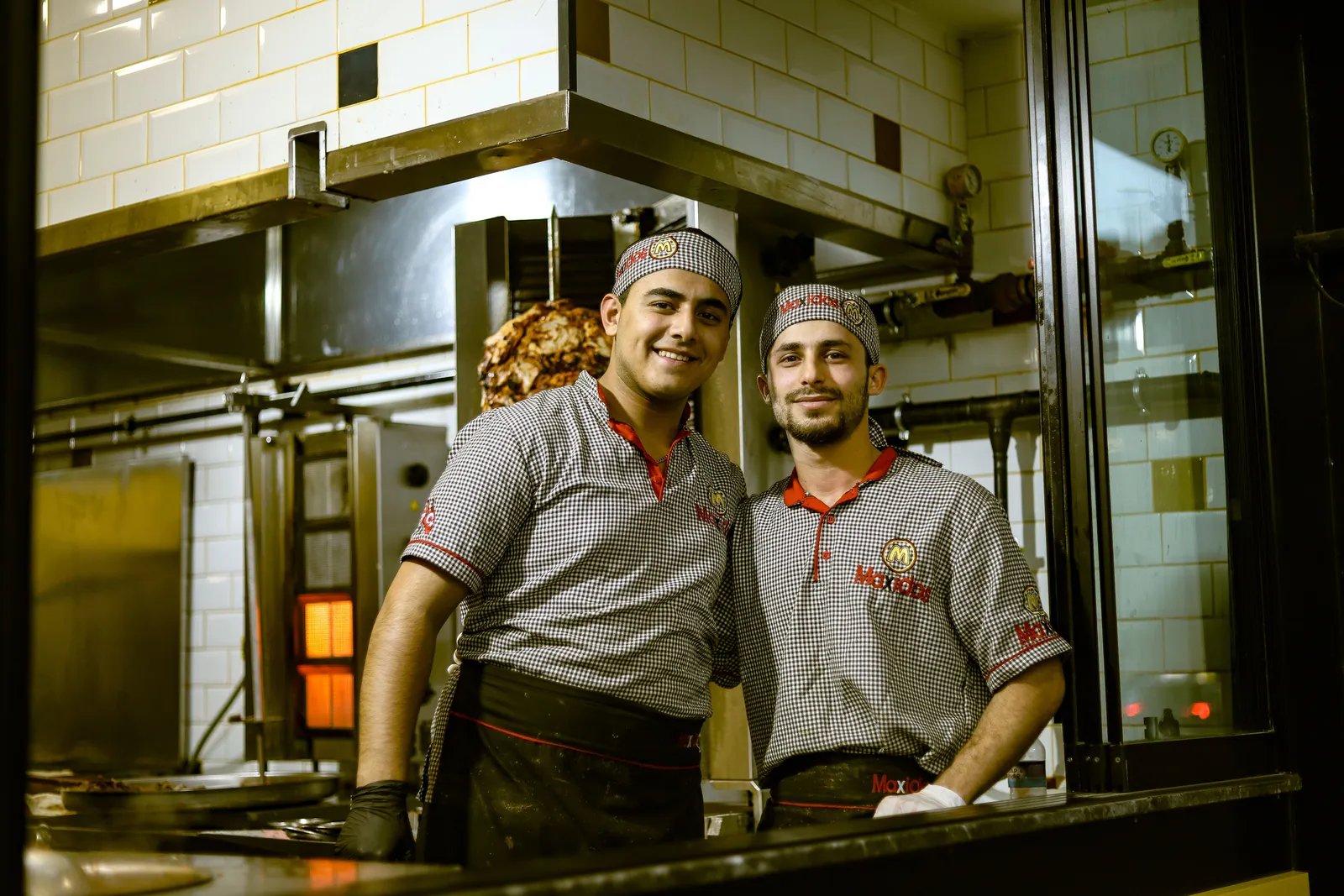
A food truck in Chicago needs a license from the City, and the kind of license depends on what you do on the vehicle: a truck that prepares food on board is treated differently from one that sells food that was prepared and packaged elsewhere. Chicago also expects a base kitchen where the truck is serviced, a health department review and some form of tracking of where the truck operates. The fees, the license term and the exact names of the categories are set by the City and change from time to time, so they are left out here. This guide shows you the steps to plan and the questions to put to the City's business licensing office and the Chicago Department of Public Health.
What are the license categories?
The City licenses mobile food businesses by what they do. If you cook, reheat or assemble food on the truck, plan for the category for vehicles that prepare food. If you only sell packaged items such as sealed sandwiches or bottled drinks, a different, lighter category may fit. Ask the licensing office which category matches your menu before you build the truck, because the equipment you install can decide the answer.
What do the licenses cost?
Fees and the length of a license are set by the City and change from time to time. Ask the City's business licensing office for the current fee schedule, the term of the license and the renewal steps, and put the renewal date in your calendar with a reminder months ahead. Third-party guides often quote old fees, so do not budget from them.
What is the commissary rule?
Chicago expects a base kitchen, called a commissary, where the truck is serviced. You may also need a license or registration for using a shared kitchen. Ask the City whether a commissary licensed by another jurisdiction is accepted for a Chicago-based truck. Plan the commissary agreement early, since the license application is likely to need it.
What about tracking and rules for operating?
Chicago's rules for mobile food vehicles have included a requirement to carry a tracking device so the City can see where a truck has operated, and rules about where trucks may park, including distance from restaurants and designated zones. Ask the licensing office which devices and forms are accepted and read the current location rules before you plan a route. Keep a copy of your license in the truck, because an inspector can ask for it at any stop.
A worked example of a first-year plan
An owner who wants a taco truck decides that her menu needs the category for trucks that prepare food. In month one, she signs a commissary agreement and asks the City about any shared kitchen registration. In month two, she completes the vehicle build and installs the tracking device. In month three, she meets the health department for a consultation and inspection, applies for the license and registers for sales tax with the state. In month four, she opens, and she puts the renewal date in her calendar with a reminder six months before.
Can a truck sell alcohol?
Do not assume it can. Ask the City whether any alcohol sale from a mobile vehicle is allowed before you plan a menu around it. If you want to serve alcohol at an event, ask about a separate permit for the event itself, and do not use the truck as the point of sale unless the City confirms in writing that you may.
What other registrations do you need?
Register with the Illinois Department of Revenue for sales tax and collect the city's taxes that apply to a sale at each location. Keep your food handler certificates and the manager's allergen training on file, as the guide on Illinois training explains. Carry insurance for the vehicle, and ask the fire department about inspections if you use propane or a generator.
What should the truck owner expect from inspections?
Expect the health department to look at the vehicle's water system, handwashing sink, refrigeration, food storage, waste handling and how you clean and sanitize. Expect the fire department to look at propane, generators and fire extinguishers. Keep thermometers calibrated, sanitizer test strips on hand and a log of temperatures. A truck that passes the first inspection with a clean record has an easier renewal.
How do you choose a menu that fits the license?
If you want to avoid on-board preparation, a menu of pre-prepared, packaged portions may fit the lighter category. If your menu depends on a griddle or fryer, plan for the preparer category. Think about the speed of service too, because a short line at a street stop wins repeat customers, and a smaller menu with excellent items is easier to run in a small space.
More guides for your business:
- Chicago sidewalk cafe permits for restaurants
- Illinois food handler training and food manager allergen rules
- How to register and file Illinois sales tax for a restaurant
More in the US guides for food businesses.
Questions
Common questions
What license does a Chicago food truck need?
Chicago licenses mobile food businesses by what they do on the vehicle, so a truck that prepares food on board is treated differently from one that sells packaged food. Ask the City's business licensing office which category fits your menu.
How long does a Chicago mobile food license last?
The City sets the term and the renewal steps, and they can change. Ask the licensing office for the current term, put the renewal date in your calendar and plan a health department consultation before you renew.
Do I need a commissary?
Chicago expects a base kitchen where the truck is serviced. Ask the City whether a commissary licensed by another jurisdiction is accepted for a Chicago-based truck, and get the commissary agreement in place before you apply.
Is GPS required?
The City's rules for mobile food vehicles have included a tracking requirement. Ask the licensing office what is currently required, which devices are accepted and how the paperwork is filed, then keep proof in the truck.
Can a food truck sell alcohol in Chicago?
Do not assume so. Ask the City before you plan a menu around alcohol, and ask about a separate event permit if you want to serve it at an event. Get any answer in writing and keep it with your license.
More like this
Read next
Is your restaurant menu accessible? PDF vs web page and an ADA checklist
Why a PDF or photo of your menu can fail blind and low-vision guests, what an accessible menu page looks like, and a practical checklist for a small restaurant website and online ordering page.
ADA website accessibility for restaurants: what to fix first
Restaurant websites are a common target for accessibility demand letters. What the ADA says about websites, what WCAG 2.1 AA asks for, and a practical checklist for your menu, booking page, online ordering and PDFs.
ADA website demand letters for New York restaurants: what to do
Why New York restaurants receive ADA website accessibility demand letters, what the standard is, what to do on receiving one and how to fix the most common problems. General information, checked October 2026.
Allergen and menu labeling rules for restaurants in five states
Massachusetts has a restaurant allergy law with a poster, a menu notice and a trained manager. New York City has sodium warnings for large chains. What the other states leave to local health departments, and a safe kitchen routine.
Put your menu, your replies and your photos in front of diners
Claim your free listing and decide how your business looks to the people searching for a good dish near them.
Free to list: your menu, replies and photos.