
For businesses
Card surcharge rules in five states: UT, PA, CT, NC and GA
Mosey · November 11, 2026 · 4 min read
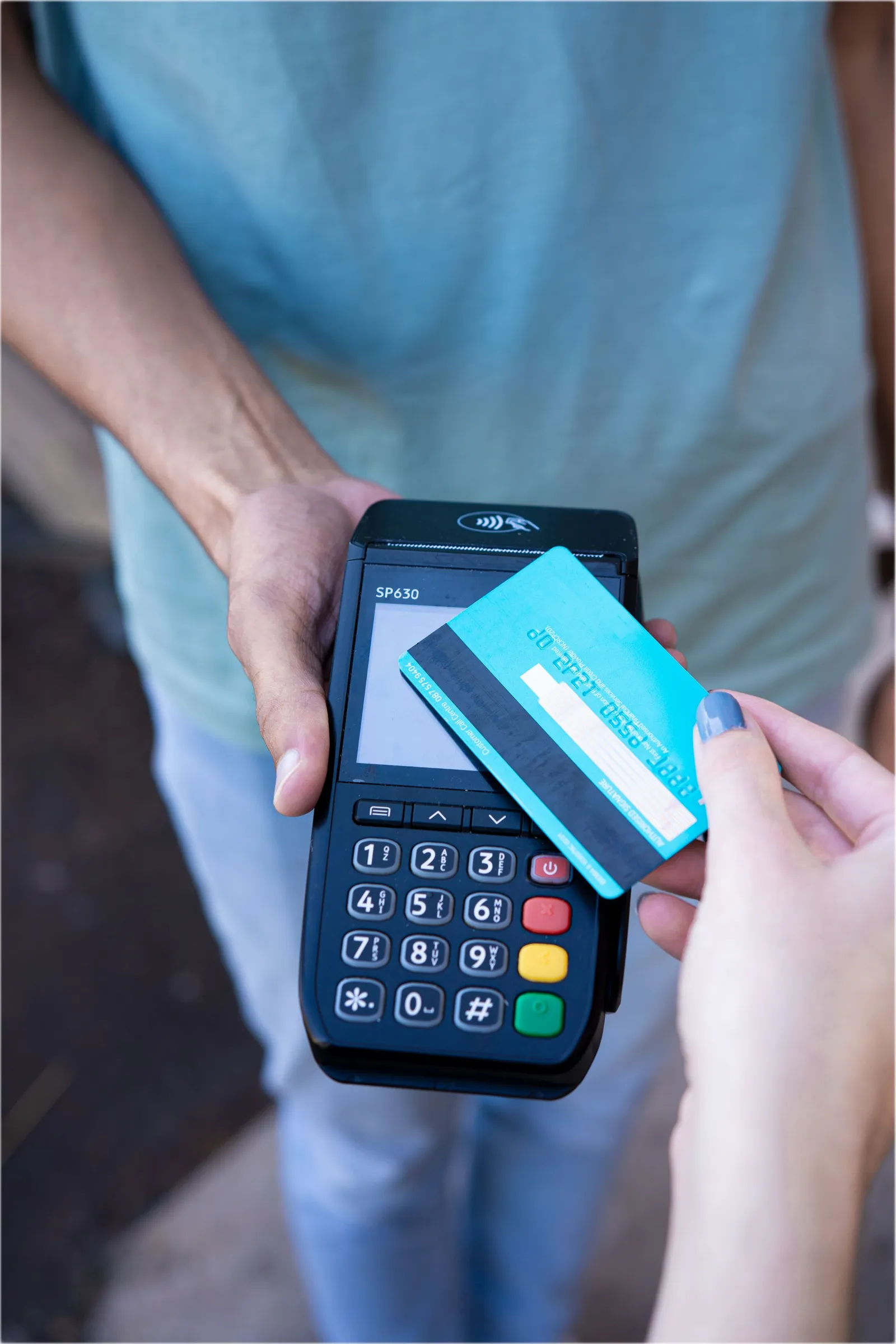
Card processing fees take a bite out of a restaurant's margin, and some owners pass part of it to customers with a surcharge. Whether that is allowed depends on two layers of rules: state law and the card networks' own rules, which generally bar surcharging debit cards. This guide covers Utah, Pennsylvania, Connecticut, North Carolina and Georgia. Confirm the details with an attorney or your payment processor before you add a fee.
What is a surcharge?
A surcharge is an extra fee added to a purchase when the customer pays with a credit card. It is different from a cash discount, which is a lower price offered to customers who pay with cash, and from a convenience fee, which is a charge for a particular payment channel. The distinction matters in law. In states that ban surcharges, a cash discount, if it is presented as a reduction from the regular price, is often still allowed.
Can you surcharge credit cards in Connecticut?
No. Connecticut prohibits credit card surcharges. The open question is how far the ban reaches: a cash discount framed as a reduction from the standard price is often allowed, while a card fee posted next to a cash price can be treated as a surcharge. Ask the Department of Consumer Protection before you choose a pricing approach. If you operate in Connecticut, price your menu to include your card costs, and offer a cash discount only after confirming with an attorney that your wording complies.
Utah, Pennsylvania, North Carolina and Georgia
Utah, Pennsylvania, North Carolina and Georgia allow credit card surcharging within the card networks' rules. Ask your processor and an attorney whether any state-level disclosure or cap applies to your business, and whether any city ordinance adds a rule.
What do the card networks require?
Even where state law allows surcharges, the card networks set conditions. The networks set a ceiling on the fee, tied to your cost of acceptance, and they can change it, so read the current limit from each network and from your processor's agreement rather than from a blog. Typical network requirements include notifying the network or your acquiring bank before you start, posting a notice at the entrance and at the point of sale, showing the surcharge as a separate line on the receipt and applying it only to credit cards, not to debit or prepaid cards.
Why is a surcharge limited to credit cards?
A surcharge is limited to credit cards. Your terminal must be able to tell the difference between credit and debit, and apply the fee only to credit. A mistake here can mean refunds and penalties. Ask your processor how it detects card type, and test it with real cards.
How should you disclose a surcharge?
- Tell guests before they order: on the menu, at the entrance and on the online ordering page.
- Show the fee as a separate line at checkout, before the guest pays, with the percentage and the amount.
- Print the surcharge on the receipt.
- Train staff to explain it in one sentence and to offer a fee-free payment option such as cash or debit where the law allows.
- Keep screenshots of your signs and screens, with dates.
Is a surcharge good for your business?
It can cover costs, but it can also annoy guests, who compare menu prices, and it exposes you to legal and reputational risk if you get a detail wrong. Many restaurants include card costs in menu prices and do not itemize. Others offer a cash discount. Weigh the revenue against the complaints, and consider the effect on online reviews. A surcharge that is clearly disclosed and modest is less likely to cause trouble than one that surprises people.
What about online orders, delivery and tips?
Apply the same rules to online ordering. A surcharge shown only on the final screen can be seen as hidden. Do not apply a surcharge to the tip. Check with your processor on how the fee is calculated: on the purchase amount, including tax, or not. Delivery platforms set their own fees and rules, so do not add your own surcharge to orders you receive through a marketplace unless the platform agrees.
What should you do now?
Write down your monthly card fees as a percentage of sales. Call your processor to ask about pricing models, such as lower rates for debit and cash discount programs. Decide whether a surcharge is worth the risk. If you go ahead, ask an attorney in your state to read your signs and receipts first. Keep a short note of the date you reviewed each rule and who confirmed it, so you can show your reasoning if a guest or a regulator asks.
More guides for your business:
- Tip credit rules in five states: UT, PA, CT, NC and GA
- Boston liquor license quota and costs: what a new restaurant faces
- How to respond to a bad online review of your restaurant
More in the US guides for food businesses.
Questions
Common questions
Is it legal to surcharge credit cards in Connecticut?
No. Connecticut prohibits credit card surcharges. Cash discounts are a separate question, so ask the Department of Consumer Protection.
Can I surcharge cards in Utah, Pennsylvania, North Carolina or Georgia?
These four allow surcharges within card network rules. Confirm local details with an attorney and your processor.
What are the card network limits on surcharges?
Each network sets a ceiling, and it can change. Read the current rules from each network and your processor.
Can I surcharge debit cards?
No. A surcharge is limited to credit cards. Ask your processor to confirm how debit is handled.
What is the difference between a surcharge and a cash discount?
A surcharge adds a fee for paying by card. A cash discount lowers the price for paying with cash.
Do I have to tell customers about a surcharge?
Yes, before they pay, with signs and a separate line on the receipt.
More like this
Read next
Is your restaurant menu accessible? PDF vs web page and an ADA checklist
Why a PDF or photo of your menu can fail blind and low-vision guests, what an accessible menu page looks like, and a practical checklist for a small restaurant website and online ordering page.
ADA website accessibility for restaurants: what to fix first
Restaurant websites are a common target for accessibility demand letters. What the ADA says about websites, what WCAG 2.1 AA asks for, and a practical checklist for your menu, booking page, online ordering and PDFs.
ADA website demand letters for New York restaurants: what to do
Why New York restaurants receive ADA website accessibility demand letters, what the standard is, what to do on receiving one and how to fix the most common problems. General information, checked October 2026.
Allergen and menu labeling rules for restaurants in five states
Massachusetts has a restaurant allergy law with a poster, a menu notice and a trained manager. New York City has sodium warnings for large chains. What the other states leave to local health departments, and a safe kitchen routine.
Put your menu, your replies and your photos in front of diners
Claim your free listing and decide how your business looks to the people searching for a good dish near them.
Free to list: your menu, replies and photos.