
For businesses
Boston food truck permit: health, fire and the city permit
Mosey · November 11, 2026 · 4 min read
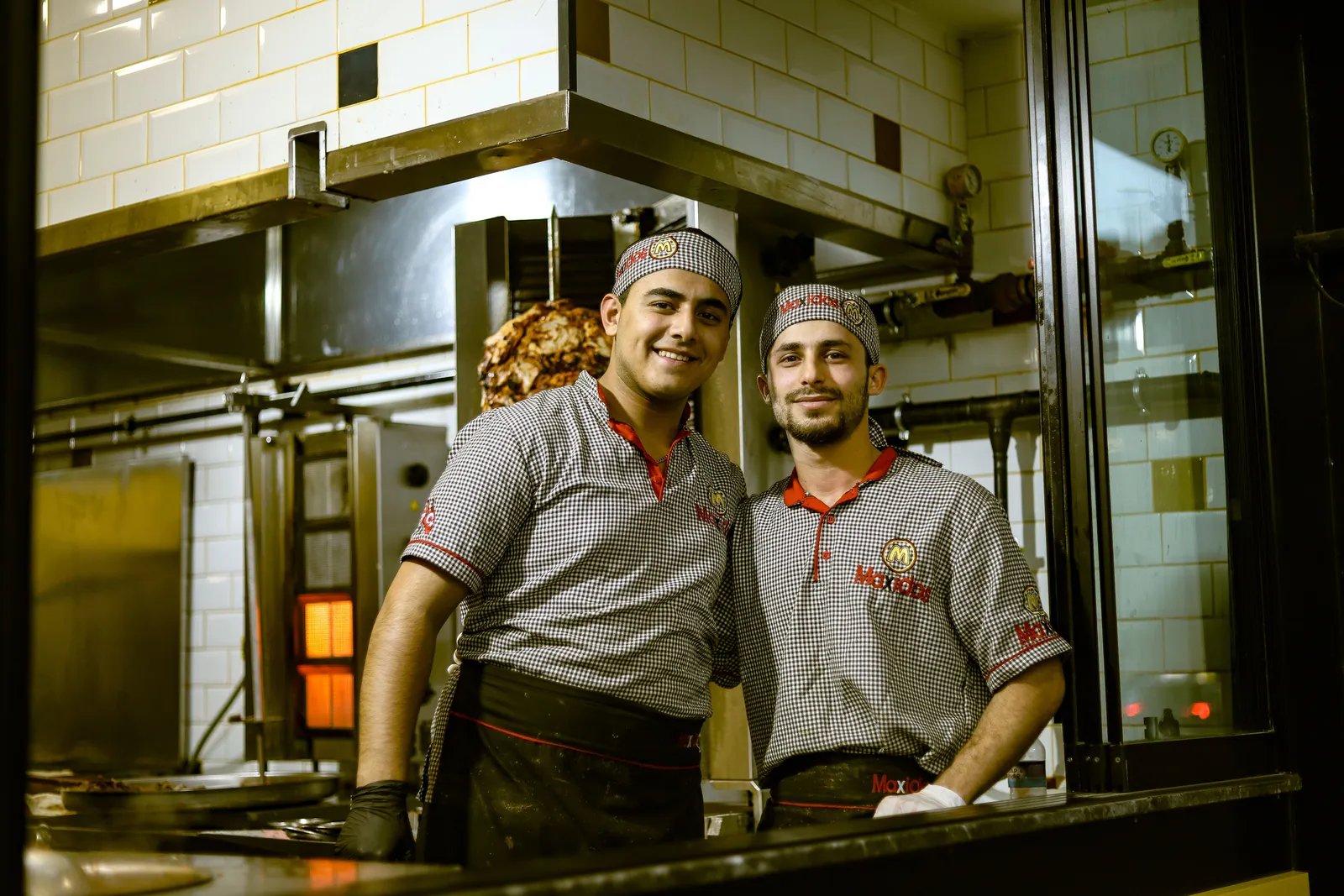
A food truck in Boston is licensed by several offices, and the order in which you visit them matters. Build the truck before the plan review and you may rebuild it. Apply for the city permit before you have the health and fire permits and you will be sent back. Confirm every fee and address with the city before you pay anything.
What do you need before you apply for the food truck permit?
The city lists the prerequisites: permits from Inspectional Services and the Fire Department, a Hawker and Peddler license, a business certificate, a certificate of liability insurance, a business plan and a commissary agreement. Only once you have those documents do you complete the application, which you can submit online, in person or by email. The city asks for two weeks to approve a permit, and you then pick it up at Public Works in City Hall.
What does the permit cost?
There is a $500 annual application fee, payable by check to the City of Boston. The health permit has its own fee of $100 a year, and a fire inspection costs $150. Budget for those and for the Hawker and Peddler license, and ask the city for its fee.
What is a commissary?
A commissary is the licensed food establishment where you prepare and store food, and you report to it twice a day. A truck needs a written agreement from the commissary before applying. Choose one near the places you plan to sell, because the twice-daily trips cost time and fuel. If the commissary is outside Boston, the city asks for that city or town's health permit for the kitchen.
How does plan review work for a truck?
Before you build, schedule a plan review with Inspectional Services. Bring the truck's equipment plans and specifications, the food truck plan review form, the health permit application and a sample menu. The $100 annual health permit fee can be paid at the review, and if you pay then you will not pay again at inspection. A reviewer who sees the plans first can save you from buying equipment that will not pass.
How do the inspections work?
After you build, the fire inspection is scheduled with the Fire Department, runs Monday through Friday from 8 to 11 a.m. and costs $150. Bring the truck and your food truck permit. The health inspection runs Monday through Friday from 8 to 9:30 a.m., no appointment is needed, and it takes place at 1010 Massachusetts Avenue. After you pass each inspection, the inspector signs your food truck permit application.
What fire rules apply?
If you use anything other than an inline generator for cooking or to power the truck, you may need an Open Burning and Cooking Operations permit. To get it, you need a fire suppression system and a fire extinguisher, and the permit must be renewed every year. Ask the Fire Department for the current list before you buy a cooking line, since a fryer without suppression will not pass.
What paperwork does the health permit need?
A letter from the commissary owner stating that you use the kitchen as your base of operations, proof that at least one truck employee is a Certified Food Manager, a Use of Premises Permit if you will sell on a private site, allergen certification and a ServSafe certificate, along with your completed health permit application, a sample menu and your food truck permit application. Keep copies in the truck.
How do you get a spot?
There are two kinds of locations. Public locations are applied for through a lottery system. Private locations need permission from the property owner, and a Use of Premises Permit. Start looking for a location after you submit your application, since a permit without a place to park is of limited use.
Budget for the first season in one list. Add up the fixed costs first: the $500 permit fee, the $100 health permit, the $150 fire inspection, the Hawker and Peddler license, insurance and the commissary rent. Then add the truck build, the suppression system and the cost of the plan review changes you did not expect. Many owners underestimate the commissary and the time it takes to move through each office. Keep a spreadsheet with each step, who handles it, the date you applied and the date you were approved. When something stalls, the record tells you which office to call, and it shows a lender or a partner that the plan is real.
What should you do next?
Make a list in the city's order: business certificate, insurance, commissary agreement, plan review, build, inspections, permit application and location. Call Inspectional Services to book the plan review. Ask about the Hawker and Peddler license, which the state handles. Then read how Massachusetts inspections and the food protection manager rule work, since the same certificate appears on your truck.
More guides for your business:
- Boston outdoor dining program: patio rules for restaurants
- Massachusetts restaurant health inspections and the food protection manager
- Boston Common Victualler license for a new restaurant
More in the US guides for food businesses.
Questions
Common questions
What does a Boston food truck permit cost?
The city lists a $500 annual application fee. The health permit is listed at $100 a year and the fire inspection at $150.
What do I need before I apply?
Inspectional Services and Fire permits, a Hawker and Peddler license, a business certificate, liability insurance, a business plan and a commissary agreement.
What is a commissary?
The licensed food establishment where you prepare and store food, and where the truck reports twice a day.
How are public spots assigned?
Public locations are applied for through a lottery system. Private locations need the property owner's permission.
Do I need plan review before building?
Yes. Schedule a plan review with Inspectional Services before you build.
Do I need a certified food manager?
Yes. You need proof that at least one truck employee is a Certified Food Manager.
More like this
Read next
Is your restaurant menu accessible? PDF vs web page and an ADA checklist
Why a PDF or photo of your menu can fail blind and low-vision guests, what an accessible menu page looks like, and a practical checklist for a small restaurant website and online ordering page.
ADA website accessibility for restaurants: what to fix first
Restaurant websites are a common target for accessibility demand letters. What the ADA says about websites, what WCAG 2.1 AA asks for, and a practical checklist for your menu, booking page, online ordering and PDFs.
ADA website demand letters for New York restaurants: what to do
Why New York restaurants receive ADA website accessibility demand letters, what the standard is, what to do on receiving one and how to fix the most common problems. General information, checked October 2026.
Allergen and menu labeling rules for restaurants in five states
Massachusetts has a restaurant allergy law with a poster, a menu notice and a trained manager. New York City has sodium warnings for large chains. What the other states leave to local health departments, and a safe kitchen routine.
Put your menu, your replies and your photos in front of diners
Claim your free listing and decide how your business looks to the people searching for a good dish near them.
Free to list: your menu, replies and photos.