
How to
Wheat and Triticale Allergy in Canada: Gluten Sources
Mosey · November 11, 2026 · 5 min read
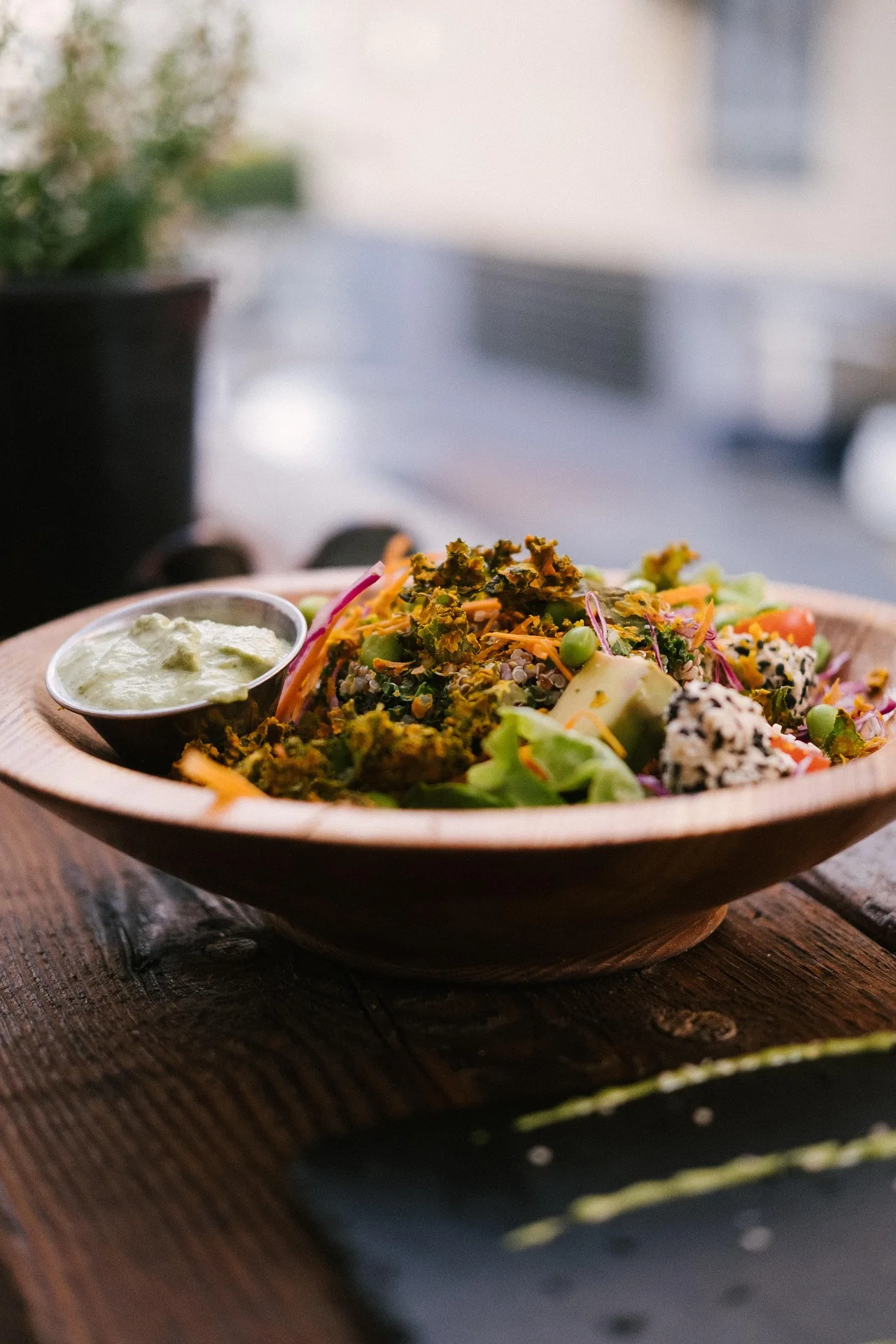
Wheat and triticale appear together on Health Canada's list of priority allergens, and Canadian labelling rules treat gluten sources as a related group: barley, rye, oats, triticale and wheat. In Mosey a Canadian place is offered "Wheat" as a choice. Knowing the words around it helps a diner read a menu and ask the right question.
What does wheat and triticale mean on Canada's priority list?
Health Canada's page says triticale is a hybrid grain created by crossing wheat and rye, and that people with a wheat allergy should also avoid it, even though it is not usually sold commercially. That is why the list says "wheat and triticale" and the app says only "Wheat". For a diner the difference rarely changes a menu, but it explains why a Canadian label and a Canadian allergen sheet may use the longer words.
Health Canada also says that wheat allergy and celiac disease are two different conditions. A wheat allergy is an abnormal immune reaction to wheat proteins. Celiac disease is an immune reaction to gluten that damages the small intestine. This guide is about the allergen wording; which condition applies to you is for your doctor.
Which gluten sources does Canada name besides wheat?
The Canadian Food Inspection Agency's labelling page says gluten sources include barley, rye, oats, triticale and wheat, and shows gluten and sulphites beside the priority allergens as items covered by the same labelling rules while noting that they are not true allergens. The CFIA page refers to packaged food and does not mention restaurants. For a diner who must avoid gluten, that means a grain name on a menu can matter even when wheat is absent: a barley soup, a rye bread, a malt flavouring or an oat crumble.
The separate question of what a "gluten-free" claim means, and the 20 parts per million position, belongs in gluten-free restaurants in Canada.
Do semolina and durum count as wheat on a menu?
Yes, both are wheat. Health Canada lists names to watch for: atta, bulgur, couscous, durum, einkorn, emmer, farina, fu, graham, high-gluten and high-protein flour, kamut, seitan, semolina, and spelt, also called dinkel or farro. It notes that on a label these names are not permitted unless the word wheat also appears. A menu has no such rule on that page, so a dish called "farro salad", "seitan skewers" or "fresh semolina pasta" may never say wheat. Treat each name as a prompt to ask, and when a dish is named in another language, ask the server to translate the key ingredient: a name that is ordinary to the kitchen can be unfamiliar to you, and the reverse.
Where does hydrolyzed plant protein and other hidden wheat appear?
Health Canada lists breads and baked goods, batter-fried foods, falafel, gluten, hydrolyzed plant protein, sauces such as chutney, soy and tamari, starches including modified starch and food starch, deli meats, ice cream, salad dressings and some snack foods. Most of those are not obvious on a menu. Ask about the thickener in a sauce, the coating on a fried dish, the binder in a falafel or meatball, and the seasoning on a snack.
Soy and tamari sauces are worth special mention because a diner who avoids wheat may be told a dish has "just soy sauce". Ask whether the sauce used contains wheat, and whether a sauce made another way is on hand. The same page notes that for beer the presence of wheat does not have to be labelled, so a beer batter or a beer-braised dish needs its own question.
How do you raise a wheat allergy so the kitchen follows?
Say wheat allergy first, then the grains you were told to avoid. Ask about breading, batter, thickeners, sauces, croutons, noodles, buns and shared fryers. Ask for a clean pan or board where flour has been used. Ask the server to repeat the order back, and ask whether the cook has seen the note. Choose a time when the kitchen is not at its busiest if you can, since a quiet hour leaves room for a real answer. If a kitchen mentions a special menu for gluten, ask whether it applies to a wheat allergy and what it means in the kitchen. The wider routine is in eating out with food allergies in Canada.
How does Mosey read wheat and gluten?
A Canadian place can tick a dish as Contains wheat or May contain wheat. The dish filter, Hide dishes that list, reads wheat and gluten together in both directions, so choosing one hides dishes that list the other, a cautious reading that never changes what the place entered. It does not claim the two are the same. Dishes with no entry stay visible, marked "Allergens not listed, ask the place". All of the wording is in priority allergens on a Canadian menu.
Rate the dish, not only the place, and note the grains you named. A Gluten-Free tag on a place is one diner's note about one visit, never a promise. A private list of places that understood the grains can be shared with friends. A place can fill in its allergens in its dashboard, and Mosey is free to list, with no hidden fees and affordable tools, which backs local kitchens. See the Canadian food guides for more.
After a dish where the kitchen knew the grains, get the Mosey app, rate the dish and add the names you used.
Questions
Common questions
What is triticale and why is it on the Canadian allergen list?
Health Canada says triticale is a hybrid grain created by crossing wheat and rye and that people with a wheat allergy should also avoid it. That is why the priority list reads wheat and triticale, while the Mosey app offers a single choice called Wheat.
Which grains does Canada call gluten sources?
The CFIA labelling page says gluten sources include barley, rye, oats, triticale and wheat. The page concerns packaged food and does not mention restaurants, so a grain name on a menu is a prompt to ask about the dish, not an answer.
Which menu words mean wheat?
Health Canada lists atta, bulgur, couscous, durum, einkorn, emmer, farina, fu, graham flour, kamut, seitan, semolina and spelt, also called dinkel or farro. On a menu they may appear with no mention of wheat, so ask about each by name.
Does beer count when I avoid wheat?
Health Canada notes that the presence of wheat does not have to be labelled in beers, so a beer batter or a beer-braised dish deserves its own question. Ask the kitchen whether the batter, the braise or the sauce uses beer, and which kind.
How can I keep track of places that understood wheat and gluten?
Mosey is a food app for sharing places that listened, rating dishes and keeping lists. Rate the dish with a note on the grains you named, keep a list for friends who share your needs, and use tags as one diner's note. Best in town adds quick ratings of places.
More like this
Read next
Accessible Dining in Kingston and Dog-Friendly Patios
Accessible dining in Kingston means asking first: steps in old stone buildings, patio rules for dogs, the tags that point the way and a list of what you learn.
Accessible Restaurants in Canada: AODA and How to Ask
Accessible restaurants in Canada: what Ontario's AODA asks of restaurants, why the Accessible Canada Act mostly does not apply, and what to ask a place.
Ordering delivery in BC: what the fee cap covers, what you still pay and how to save
British Columbia caps what delivery apps can charge restaurants, but not every fee on your bill. What the law covers, where your money goes and how to order in a way that helps the restaurant.
BC liquor rules for diners: bringing your own wine, ID, PST on drinks and what is on the bill
Drinking at a restaurant in British Columbia comes with a few rules that surprise visitors: the age, corkage, who can serve you and the extra tax on alcohol. What to expect and what to ask.
