
How to
Mustard Allergy in Canada: Where It Hides on a Menu
Mosey · November 11, 2026 · 5 min read
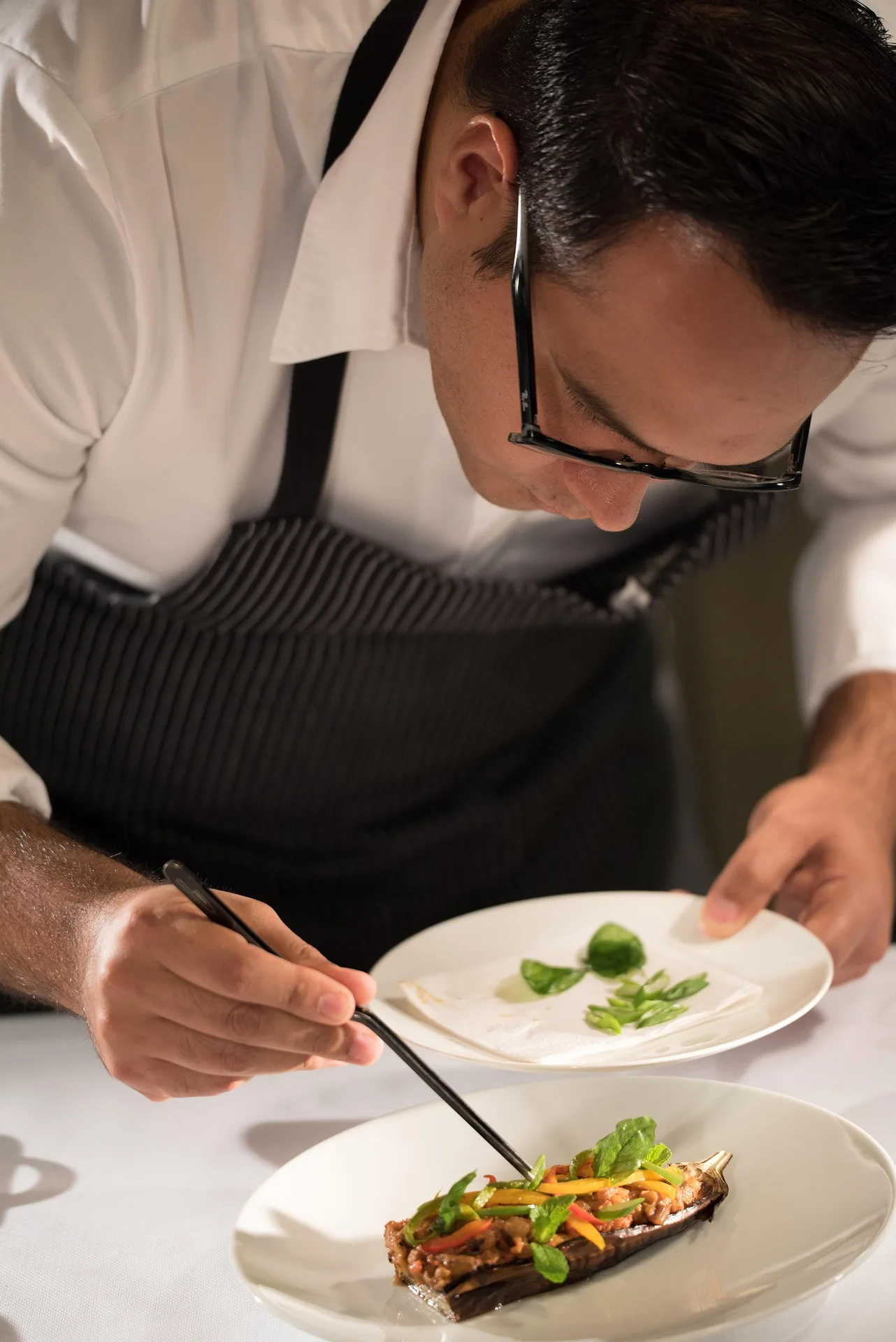
Mustard allergy in Canada deserves its own guide because mustard is on Health Canada's priority list, yet it is missing from the nine major allergens the FDA names in the United States, so a recipe or a label from another country may not mention it. On a menu it hides in dressings, sauces, spice blends and deli meats, and in a lot of places a customer would not look.
Why does mustard allergy in Canada need a separate guide?
Health Canada lists mustard among eleven priority allergens: eggs, milk, mustard, peanuts, crustaceans and molluscs, fish, sesame seeds, soy, sulphites, tree nuts, and wheat and triticale. The FDA's list for the United States names milk, eggs, fish, crustacean shellfish, tree nuts, peanuts, wheat, soybeans and sesame. Mustard is not on it. So a cookbook, a recipe card or a menu brought from across the border may treat mustard as an ordinary seasoning rather than an allergen worth naming.
Mustard is also seldom the centre of a dish. It is a background flavour, and a cook asked whether a dish has "any common allergens" may not think of it. That is the reason to name it, and to name it in the same breath as the dish you are about to order, so the cook can picture the sauce.
Where does hidden mustard turn up on a menu?
Health Canada's mustard page lists condiments, salad dressings, spices and seasonings, sauces such as barbecue, curry, mayonnaise and vinaigrettes, curries and chutneys, pickles, dehydrated soups, processed meats and potato salad, and says its list is not complete and may change. Other possible sources it names include some appetizers and sprouted seeds. It also says mustard belongs to the Brassicaceae family, whose members include canola, broccoli, cabbage and turnip, and that their seeds hold proteins very similar to those in mustard seeds, so it suggests anyone who suspects a reaction to them speak with an allergist.
Add what cooks know. Honey mustard and Dijon-style dressings, a mustard crust on a roast, a glaze on ham, a spiced rub on smoked meat, deli sandwiches and hot dogs, ploughman-style pickles and pickling spice all use it, and so do many deviled-egg and slaw recipes. That last list is general cooking knowledge: recipes vary by kitchen, so ask about each one.
Does mustard seed also mean mustard oil and greens?
The page tells people with a mustard allergy to avoid all food and products that contain mustard or its seed. In cooking, the seed also appears whole in tempered spices at the start of many curries, ground in spice blends, and as the base of mustard oil in some regional cooking. Mustard greens are the leaves of the same plant family. Ask whether a curry starts with the whole seed in the oil, and whether a dish uses mustard oil or mustard greens, rather than only asking about "mustard sauce".
What does Health Canada say about canola oil?
Canola oil can be made from canola-quality mustard seed, and Health Canada says highly refined versions are not considered to pose a risk, while cold-pressed and expeller-pressed ones may contain residual protein and should be avoided by people with a mustard allergy. It also says people should not eat foods containing mustard or canola meal or protein. Those are Health Canada's words about food products, and your allergist is the person to apply them to you. At a table the practical question is how a dish was cooked and in what oil.
What should you ask about dressings and sauces?
Name mustard directly, because "allergens" can mean the nuts and shellfish to a busy cook. Ask whether the dressing, sauce, marinade, rub or glaze contains mustard in any form, including seeds, powder, prepared mustard or mustard oil. Ask whether sausages, deli meats or a spice mix were bought ready-made, in which case a kitchen may need to read a label to answer. Ask about the staff-meal favourites too: a sandwich spread, a burger sauce or a house mayonnaise often carries mustard even when the menu never says so. Ask whether potato salad, coleslaw and pickles carry it. If someone is unsure, a cook with the label is a better answer than a guess. Soy and tamari sauces raise a different grain question; see wheat and triticale in Canada.
How does Mosey list mustard?
The app offers a Canadian place twelve allergen choices first, and mustard is one of them. A place can tick a dish as Contains mustard or May contain mustard, and the dish filter called Hide dishes that list will hide dishes that list it. A dish with no entry stays visible, marked "Allergens not listed, ask the place". The wording is laid out in priority allergens on a Canadian menu. Our wider guide to eating out with food allergies in Canada covers the conversation with staff.
How can ratings, tags and lists keep track of what worked?
Rate the dish, not only the place, and write which sauce you asked about and what the kitchen said. Tags are one diner's note about one visit, never a promise. Keep a private list of places that checked the dressing, and share it with friends who also avoid mustard. A place can fill in its allergens in its dashboard, and Mosey is free to list, with no hidden fees and affordable tools, which helps local kitchens share what is in their sauces. The Canadian food guides have more.
After a meal where the staff read the label, get the Mosey app, rate the dish and note which sauces you ruled out.
Questions
Common questions
Is mustard a priority allergen in Canada?
Yes. Health Canada lists mustard among its eleven priority allergens. The FDA list for the United States does not include it, so a recipe or label from another country may not name mustard, and a Canadian diner is wise to say mustard directly when asking a kitchen.
Where does mustard hide in restaurant food?
Health Canada lists condiments, salad dressings, spices and seasonings, sauces such as barbecue, curry and mayonnaise, pickles, dehydrated soups, processed meats and potato salad. Cooks also use it in glazes, rubs and curries, so ask about each sauce by name.
Does canola oil matter for a mustard allergy?
Health Canada says highly refined canola oils are not considered to pose a risk, while cold-pressed and expeller-pressed canola oils may contain residual protein and should be avoided by people with a mustard allergy. Ask your allergist how that applies to you.
What should I say to a server about mustard?
Say that you have a mustard allergy and ask about dressings, sauces, marinades, rubs, deli meats, pickles and any curry that starts with mustard seed. If the server is not sure, ask the cook to read the label of any ready-made sauce and pick another dish if the answer stays vague.
How can I share dishes where mustard was handled well?
Mosey is a food app for keeping track of where you have eaten, rating dishes and sharing lists with friends. Rate the dish with a note on the sauce you asked about, keep a list of places that checked, and use tags as one diner's note. Following friends shows their ratings too.
More like this
Read next
Accessible Dining in Kingston and Dog-Friendly Patios
Accessible dining in Kingston means asking first: steps in old stone buildings, patio rules for dogs, the tags that point the way and a list of what you learn.
Accessible Restaurants in Canada: AODA and How to Ask
Accessible restaurants in Canada: what Ontario's AODA asks of restaurants, why the Accessible Canada Act mostly does not apply, and what to ask a place.
Ordering delivery in BC: what the fee cap covers, what you still pay and how to save
British Columbia caps what delivery apps can charge restaurants, but not every fee on your bill. What the law covers, where your money goes and how to order in a way that helps the restaurant.
BC liquor rules for diners: bringing your own wine, ID, PST on drinks and what is on the bill
Drinking at a restaurant in British Columbia comes with a few rules that surprise visitors: the age, corkage, who can serve you and the extra tax on alcohol. What to expect and what to ask.
