
How to
Become a Poutine Connoisseur: Curds, Gravy, Claims
Mosey · November 11, 2026 · 5 min read
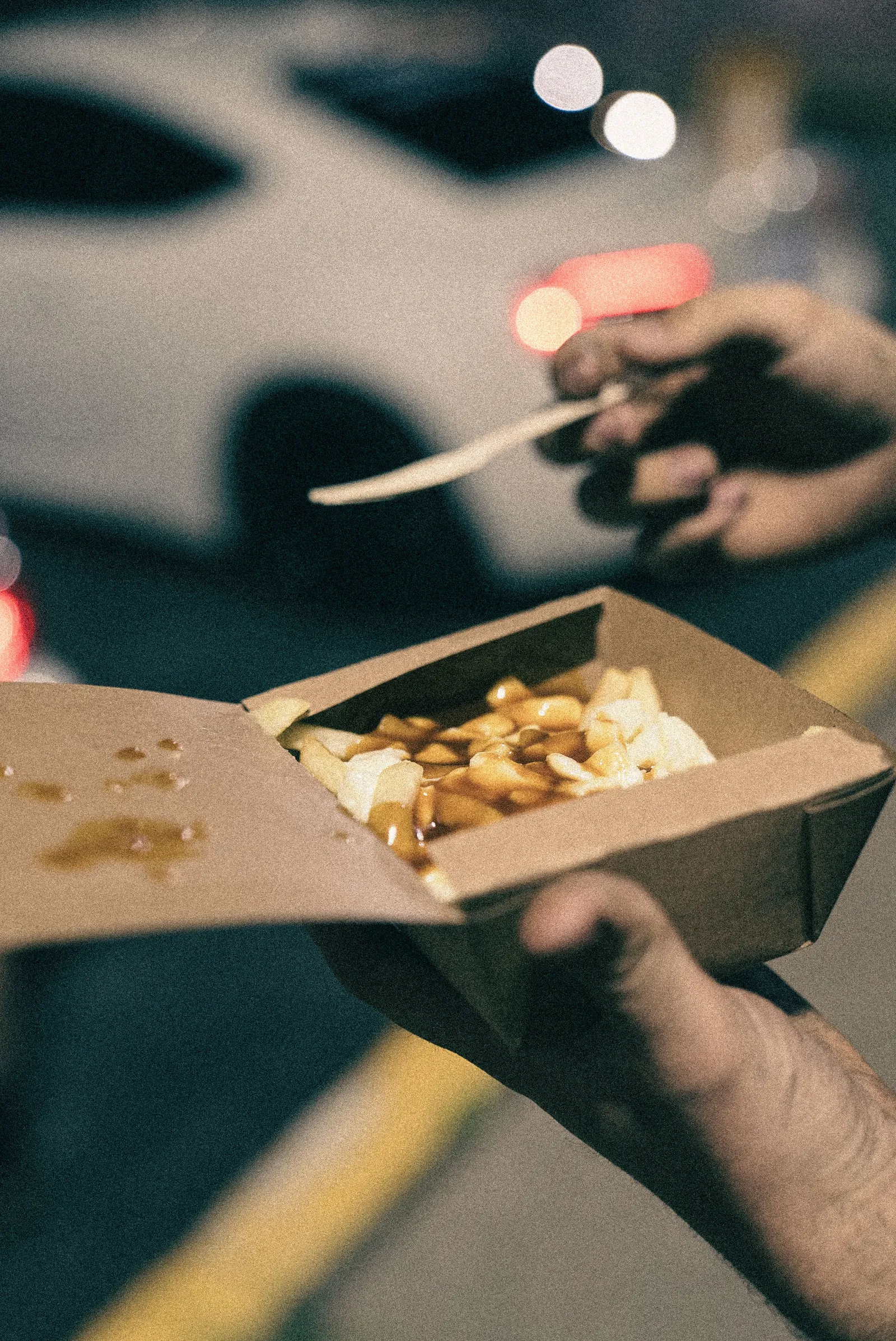
A poutine connoisseur judges three things before anything else: whether the curds squeak, whether the gravy is hot and thin enough to warm them, and whether the fries hold up. The dish began in rural Quebec in the late 1950s, and on Mosey a Poutine badge counts how many different places you have rated.
What does a poutine connoisseur look for?
Start with the curds. Fresh cheese curds, ideally less than a day old, squeak against the teeth, and they lose that texture as they age. A cook who cares will say so, and a diner who has tasted the difference notices at once.
Then the fries. They are usually medium-thick and often fried twice, which gives a crisp outside and a soft centre. The gravy is traditionally a thin, lightly spiced beef or chicken gravy, known in Quebec as sauce brune. It is poured hot over room-temperature curds just before serving, so the curds warm without fully melting.
Where was poutine invented?
Nobody can say for certain. Poutine emerged in Quebec's Centre-du-Quebec region in the late 1950s, with 1959 often cited, and several restaurants claim to have invented it.
One account from Warwick says a restaurateur reacted in 1957 when a regular asked for cheese curds added to a bag of fries, with hot gravy added from 1963. Another from Drummondville says a cook began serving fries with sauce in 1958 and the dish itself in 1964. One food historian calls Warwick the birthplace but credits the Drummondville cook as the true inventor, and the Oxford Companion to Cheese suggests customers, not chefs, came up with the idea of adding curds to fries.
Even the word is uncertain. A popular theory links it to a Quebec slang word for a mess, others connect it to the English "pudding", and a historical dictionary of Quebec French considers regional dialect origins more likely. The honest summary is that it is a snack that arrived before anyone wrote it down.
How did poutine spread across Canada?
It moved from a Quebec snack to Montreal restaurants in the early 1970s and then to chains in the 1980s, and later into the United States. Outside Quebec, thick beef gravy is common, and mozzarella is sometimes used when curds are hard to get.
That spread is what makes a ladder interesting. A poutine in a roadside Quebec spot, a diner in Ontario and a late-night counter in a university town are all poutine, and they are not the same dish.
What are the main poutine variations?
The basic dish has meat toppings, international styles and gourmet versions, and sweet potato fries appear now and then. A connoisseur does not rank variations against the classic; they note what each does with the three essentials. Does the topping take over the gravy? Do the fries survive a heavy sauce? Are the curds still squeaking by the time you reach the bottom?
How should you order and eat poutine?
Eat it soon. The gravy is hot and the curds are meant to warm, not melt into a sheet, so a poutine that sits for ten minutes is a different dish. If you are sharing, take a fork to the middle and the edges alike, because the fries at the bottom tell you whether the kitchen's potatoes can stand a sauce.
Ask whether the gravy is beef or chicken and whether the curds came that day. Most cooks are glad to be asked, and the answer makes a better note than a score. If a menu offers a classic and several toppings, order the classic first so you have a baseline for everything that follows.
What should you write in a poutine rating?
Describe the dish the way you would describe it to a friend on the phone. "Curds squeaked, gravy thin and peppery, fries crisp for most of the bowl" gives the next diner something to act on and gives you something to compare. Keep the same four questions below each time and your own ratings will start to teach you what you like.
How do you rate poutine by the dish on Mosey?
Poutine is a cuisine family with four levels: Sampler at five different places, Taster at ten, Expert at twenty and Connoisseur at fifty. Only different places count, and a level is never taken away.
Use the same four questions each time:
- How did the curds feel: squeaky, soft or melted?
- Was the gravy thin or thick, and was it hot?
- Did the fries stay crisp to the end?
- What did the place add, and did it help?
Add the Poutine tag to the rating and name the dish as it was on the menu. A badge carries no discount or prize. It shows beside your name on a rating as a clue that you have rated five or more places of the same kind.
A list for the poutine you would send a friend to
Mosey is a food app for rating, sharing and keeping track of places to eat, and it is free for a place to list. There are no hidden fees and the tools are affordable, which matters for the small kitchens that make poutine every day. A rating by the dish supports them for free.
Start a list called "Poutine, curds first" and write why each place belongs. Invite a friend to add their favourite, follow people whose taste you trust, and tag who you ate with so they can add their own rating.
Local guides cover the dish in depth: poutine in Montreal and poutine in Quebec City. The food badges page explains the ladder, and the Canadian food guides list more.
Another Quebec tradition is covered in the Montreal smoked meat and bagel guide.
Get the Mosey app, add the Poutine tag to your next rating and listen for the squeak, then see how many different kitchens you can compare.
Questions
Common questions
What is a poutine connoisseur?
Someone who judges the curds, the gravy and the fries, and has compared poutine from many kitchens. On Mosey the Connoisseur level comes from rating fifty different places with the Poutine tag, with Sampler at five, Taster at ten and Expert at twenty.
Where was poutine invented?
Poutine appeared in Quebec's Centre-du-Quebec region in the late 1950s, and several restaurants in Warwick and in Drummondville claim to have invented it. There is no consensus, and the word's origin is also uncertain.
Why should cheese curds squeak?
Fresh curds, ideally less than a day old, squeak against the teeth, and they lose that texture as they age. A squeak is a quick sign that the curds are fresh, which is why connoisseurs listen as well as taste.
Does the gravy matter more than the fries?
Both matter. Traditional gravy is thin and lightly spiced, poured hot over curds so they warm without fully melting, while the fries need to stay crisp under it. A rating that mentions both helps the next diner decide.
What's the best way to keep track of poutine I want to try?
Mosey is a food app for finding, rating and sharing places to eat by the dish. Keep a list of poutine to try and share it with a friend who can add to it, rate each dish, add the Poutine tag, and follow friends to see what they rate.
More like this
Read next
Accessible Dining in Kingston and Dog-Friendly Patios
Accessible dining in Kingston means asking first: steps in old stone buildings, patio rules for dogs, the tags that point the way and a list of what you learn.
Accessible Restaurants in Canada: AODA and How to Ask
Accessible restaurants in Canada: what Ontario's AODA asks of restaurants, why the Accessible Canada Act mostly does not apply, and what to ask a place.
Ordering delivery in BC: what the fee cap covers, what you still pay and how to save
British Columbia caps what delivery apps can charge restaurants, but not every fee on your bill. What the law covers, where your money goes and how to order in a way that helps the restaurant.
BC liquor rules for diners: bringing your own wine, ID, PST on drinks and what is on the bill
Drinking at a restaurant in British Columbia comes with a few rules that surprise visitors: the age, corkage, who can serve you and the extra tax on alcohol. What to expect and what to ask.
