
Dish guide
Poutine in Montreal: where it came from and how to spot a great one
Mosey · November 11, 2026 · 4 min read
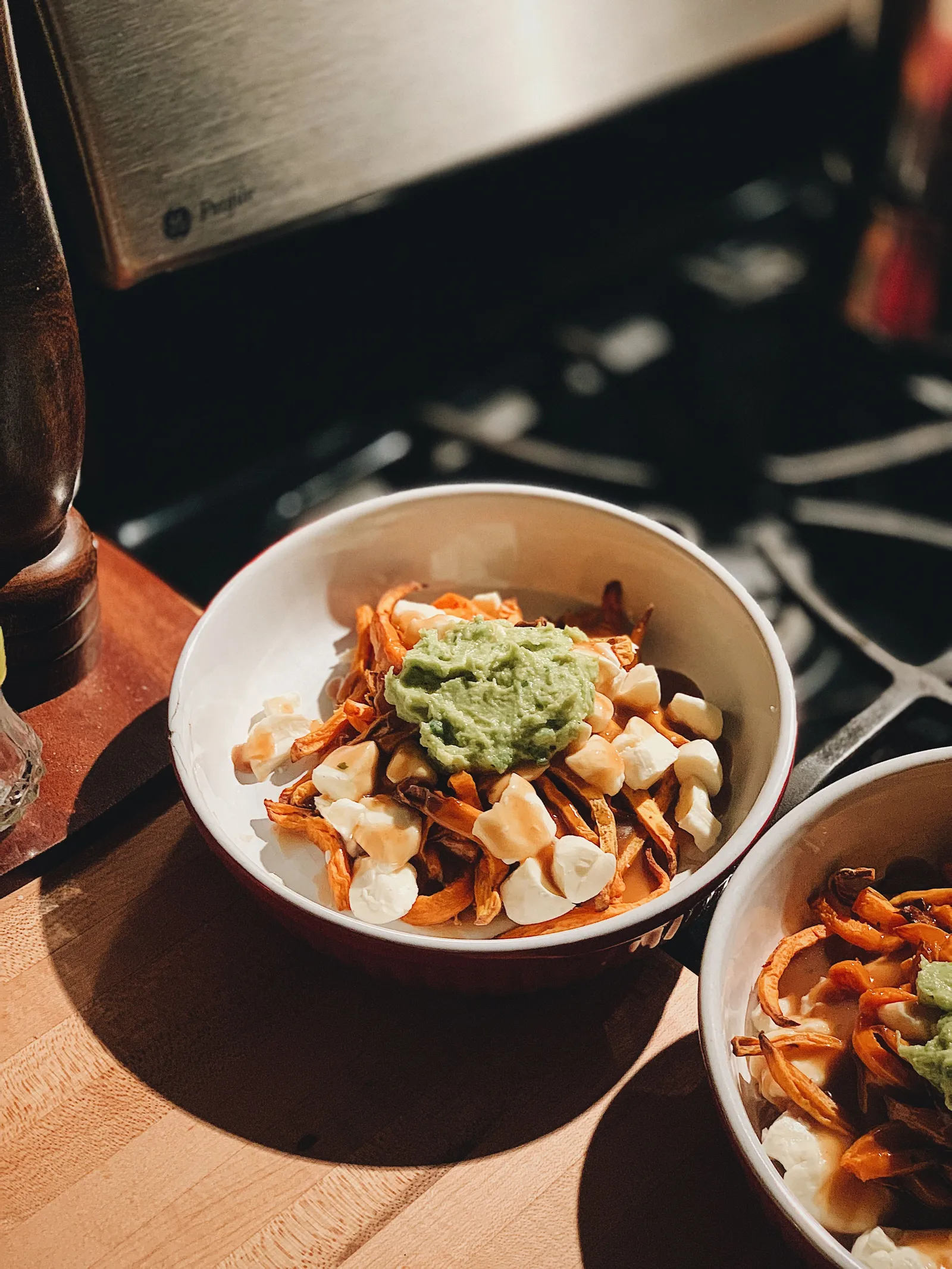
Poutine is Quebec's most famous dish: hot fries, fresh cheese curds and gravy, all in one bowl. It is simple, filling and best eaten late at night after a long day. In Montreal you can find it everywhere, from humble snack bars to restaurants adding foie gras. Here is how to eat it well.
What is poutine?
Poutine has three essential ingredients:
- French fries, ideally fresh-cut and crisp on the outside.
- Fresh cheese curds, small pieces of young cheddar that squeak when you bite them.
- Hot gravy, usually a brown, savoury sauce, poured over the top so the curds soften but do not fully melt.
That is the classic version. Everything else is a variation.
Where did poutine come from?
Poutine first appeared in rural Quebec snack bars in the late 1950s, in the region known as Centre-du-Québec, close to cheese makers producing fresh curds. Several towns and restaurants claim to have invented it, and the debate has never been settled. From those small towns it spread across Quebec and then the rest of Canada.
What makes a great poutine?
| Element | What good looks like | What bad looks like |
|---|---|---|
| Cheese curds | Fresh, squeaky, slightly soft | Rubbery, cold, or shredded cheese instead |
| Gravy | Hot, savoury, enough to coat | Lukewarm, too thin, or too salty |
| Fries | Crisp outside, fluffy inside | Soggy, limp or overcooked |
| Balance | Every bite has all three | A pool of gravy or dry fries |
The squeak is the test. Fresh cheese curds squeak against your teeth. If they do not, they are not fresh.
What are the best poutine variations?
Montreal restaurants love to experiment. Popular versions include:
- Smoked meat poutine, topped with Montreal smoked meat.
- Italian poutine, with a tomato meat sauce instead of gravy.
- Pulled pork or braised beef poutine.
- Vegetarian poutine, with a vegetarian gravy.
- Foie gras poutine, at some upscale restaurants.
Try the classic first, then branch out.
When do people eat poutine in Montreal?
Any time, but poutine is especially loved as late-night food, after a show, a game or a night out. Some poutine restaurants in Montreal stay open very late or around the clock. It is also a common side dish at casse-croûtes (snack bars), delis and burger places.
Is poutine vegetarian?
Not usually. Traditional poutine gravy is often made with beef or chicken stock. Many places now offer a vegetarian gravy, so ask. For vegans, look for places that offer vegan cheese and gravy, which some Montreal restaurants do.
Is poutine gluten-free?
Not always. The gravy is often thickened with wheat flour, and fries may be cooked in shared fryers. If you have celiac disease, ask about the gravy and the fryer before ordering.
What size poutine should you order?
Portions can be very large. A small or regular is usually plenty as a snack or side, and a large can easily be a full meal. If you are sharing, order one to split and then decide if you need more.
Where can you find good poutine in Montreal?
Look for:
- Casse-croûtes, the classic Quebec snack bars.
- Poutine specialists, with long lists of variations, some open late.
- Delis, where smoked meat poutine is a favourite.
- Pubs and bistros, where chefs put their own spin on it.
Can you make poutine at home?
You can, and the secret is the same as in a restaurant: fresh cheese curds and hot gravy. Many Quebec grocery stores sell fresh curds, and outside Quebec, some cheese shops and farmers markets carry them. Use crisp, double-fried fries, warm the curds to room temperature, and pour the gravy very hot so it softens the curds without melting them into a puddle. Shredded mozzarella is a common substitute, but it is not the same dish.
How do you eat poutine?
With a fork, and quickly. Poutine is at its best in the first few minutes, while the fries are still crisp and the curds are just starting to melt. It does not travel well, so eat it where you buy it if you can.
Mosey is built around rating dishes, and poutine is the perfect example: two places can serve the same three ingredients, and only one of them gets the squeak, the gravy and the fries right together.
More guides to read next:
- Atwater Market guide: what to buy and eat by the Lachine Canal
- Sugar shack season in Quebec: what a cabane à sucre meal is like
- How to check a Montreal restaurant's food safety record
More in the Canadian food guides and the ranked lists of places.
Questions
Common questions
What is poutine made of?
French fries, fresh cheese curds and hot gravy.
Where was poutine invented?
In rural Quebec snack bars in the late 1950s. Several towns claim to have invented it.
Why do cheese curds squeak?
Fresh cheese curds squeak against your teeth because of their elastic protein structure. The squeak fades as they age.
Is poutine vegetarian?
Usually not, because traditional gravy is often made with meat stock. Many Montreal restaurants offer vegetarian gravy.
When do people eat poutine in Montreal?
Any time, but it is especially popular as late-night food.
More like this
Read next
Atwater Market guide: what to buy and eat by the Lachine Canal
Atwater Market is Montreal's art deco market hall by the Lachine Canal, open all year with butchers, cheese shops and farmers' stalls. How to get there, what to buy and how to make a day of it.
Best Bakeries in Montreal: Croissants, Sourdough and Babka
A guide to the best bakeries in Montreal: where to compare croissants, sourdough and babka, what to order first and how to shop for bread and pastry.
The best neighbourhoods for food in Montreal, and what to eat in each
Montreal is one of the great food cities of North America. Where to go for bagels, smoked meat, markets, bring-your-own-wine bistros and late-night poutine, neighbourhood by neighbourhood.
Best Pho in Montreal: Noodle Soup and Vietnamese Food
A guide to the best pho in Montreal: the broth, the noodles and the herbs, Chinatown and Côte-des-Neiges bowls and how to order well on a cold day.
