
How to
Become a Dim Sum Connoisseur in Canada
Mosey · November 11, 2026 · 5 min read
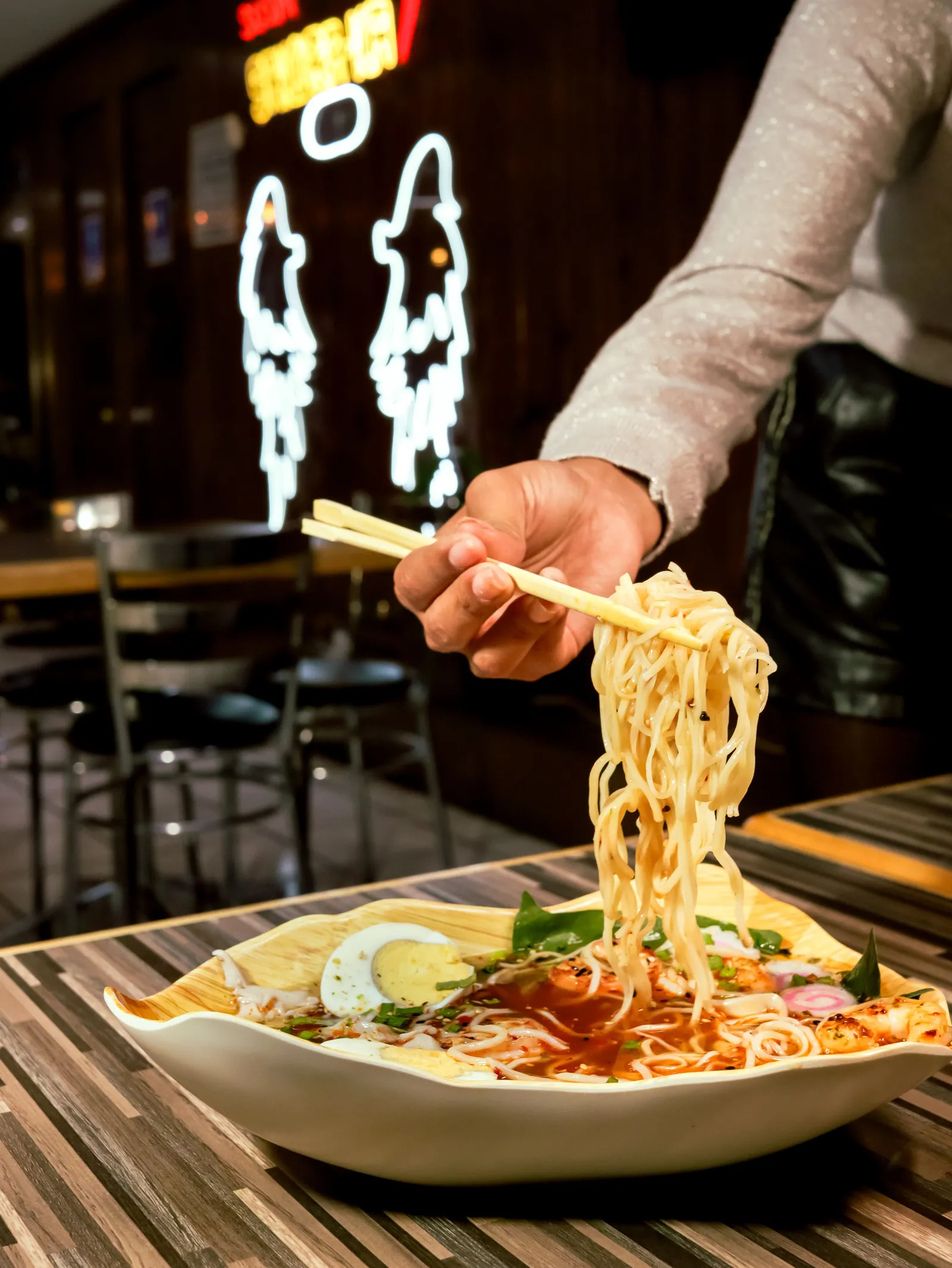
A dim sum connoisseur in Canada eats in a country where Chinese food has a history of its own. It began with railway workers in the mid-1800s, grew through immigration from Hong Kong and has produced dishes you will find nowhere else. Mosey has a Dim Sum badge and a Chinese badge, and both count the different places you have rated.
How did Chinese food arrive in Canada?
Canadian Chinese cuisine began in the mid-1800s, mainly in Western Canada and the Prairies, among immigrants and labourers on the Canadian Pacific Railway. Early Cantonese immigrants adapted traditional recipes to Western tastes and local ingredients.
Immigration laws limited their work options, so many Chinese Canadians opened restaurants, often in small towns, and owners frequently changed menus to suit customers. Chinese dishes became common on restaurant menus only after the Chinese Immigration Act was repealed in 1947. Cantonese immigration resumed in the 1960s and grew in the 1980s and 1990s, ahead of the handover of Hong Kong, when many Hongkongers chose Canada.
What is Cantonese cooking in Canada, and what is yum cha?
Cantonese cooking comes from the people of Guangzhou and the Pearl River Delta. It values ingredients at the peak of freshness, uses spices sparingly, and steams the freshest seafood with little seasoning. Stir-frying is quick, and wok hei, the energy of a very hot wok, is a mark of skill.
Dim sum was popular in Guangzhou teahouses in the nineteenth century, and the bamboo baskets are served during yum cha, which means drinking tea. Siu mei is Chinese roasting that contains only meat, such as char siu, roast duck and roast goose, and it appears in the same shops. Restaurants often offer a different menu in the evening, so the lunch table is where dim sum belongs.
What makes Canadian Chinese dishes their own?
A few dishes are local inventions. Ginger beef, deep-fried beef in a sweet and spicy sauce, is credited to a Calgary restaurant in the mid-1970s and is especially common in Calgary and the Prairies. Other Canadian creations include sweet and sour chicken balls, Montreal peanut-butter dumplings, Thunder Bay bon bons, Newfoundland chow mein made with cabbage and Edmonton green onion cakes.
These are not lesser dishes. They are a record of what immigrants and their customers made together, and a connoisseur rates them with the same attention as any classic.
Where is regional Chinese cooking now?
Newer Chinatowns and suburbs in Vancouver and Toronto serve recent immigrants with Sichuan, Hakka, Chiuchow, Taiwanese and Buddhist cuisine. Richmond's Golden Village, in the Vancouver area, has a large concentration of Chinese restaurants, many of them serving B.C. coastal seafood. Many older Toronto Chinatown restaurants, including siu mei shops, have closed since the late 1990s, so the map keeps moving.
How does a dim sum connoisseur order a table?
Go with several people so you can try many baskets, and order in rounds instead of all at once. Begin with something steamed, then something fried, then a roasted meat or a rice dish, and end with a sweet. Tea is part of the meal, and refilling the pot for others is a courtesy at many tables.
Ask what is made fresh that day. A quiet weekday lunch is often the easiest time to build a rating, because the trolleys and the staff have more time for questions.
What should you write in a dim sum rating?
Name the basket, not the meal. "Shrimp dumpling, thin wrapper, plenty of filling" is more useful to the next diner than a general comment. Mention the tea and the pace, since a table that moves well is part of the experience, and add the Dim Sum tag so the place counts on your ladder.
How do you rate dim sum and Chinese places on Mosey?
Dim Sum and Chinese are separate cuisine families, each with four levels: Sampler at five different places, Taster at ten, Expert at twenty and Connoisseur at fifty. Only different places count, and a level stays once reached.
A tasting plan for a Canadian table:
- Rate a weekday dim sum lunch and name the baskets you ordered.
- Rate a siu mei plate, such as char siu or roast duck.
- Rate a Canadian Chinese dish, such as ginger beef or chicken balls.
- Rate a regional meal, such as Sichuan or Hakka, and add the Chinese tag.
There is no discount or prize behind a badge. It shows beside your name on a rating as a sign that you have rated five or more places of the same kind.
Lists, friends and a free way to back family kitchens
Mosey is a food app for rating, sharing and keeping track of places to eat, and it is free for a place to list. It has no hidden fees and affordable tools, which helps the family restaurants that carry this history. A rating by the dish is a free way to support them.
Start a list called "Dim sum, one basket at a time" and write why each place belongs. Invite a friend to add their own, tag who you ate with, and follow people whose taste you trust.
For local reading, see dim sum in Toronto, dim sum in Richmond and Vancouver and the Vancouver Chinese regional food guide. The food badges page explains the ladder, and the Canadian food guides list more.
To head east, try Atlantic seafood and the lobster roll.
Download the Mosey app, rate the next basket you order by name and add the Dim Sum tag, then work towards five different tables.
Questions
Common questions
What is a dim sum connoisseur?
Someone who has eaten dim sum widely and can compare steamed, fried and sweet dishes from different kitchens. On Mosey the Connoisseur level comes from rating fifty different places with the Dim Sum tag, with Sampler at five, Taster at ten and Expert at twenty.
What does yum cha mean?
Yum cha means drinking tea, and it names the custom of eating dim sum with tea. Dim sum was popular in the teahouses of Guangzhou in the nineteenth century, and many places serve a different menu in the evening.
Who invented ginger beef?
A Calgary restaurant is credited with inventing ginger beef in the mid-1970s. It is deep-fried beef in a sweet and spicy sauce, and it is especially common in Calgary and across the Prairies, a good example of a dish that Canadian Chinese kitchens made their own.
Are Dim Sum and Chinese separate badges on Mosey?
Yes. Dim Sum and Chinese are separate cuisine families, each counting the different places you have rated with that tag. A place that serves both can count towards both if you add both tags.
What's the best way to keep track of dim sum I want to try?
Mosey is a food app for finding, rating and sharing places to eat by the dish. Keep a shared list of places to try, rate each basket by name, add the Dim Sum tag, and follow friends to see what they rate.
More like this
Read next
Accessible Dining in Kingston and Dog-Friendly Patios
Accessible dining in Kingston means asking first: steps in old stone buildings, patio rules for dogs, the tags that point the way and a list of what you learn.
Accessible Restaurants in Canada: AODA and How to Ask
Accessible restaurants in Canada: what Ontario's AODA asks of restaurants, why the Accessible Canada Act mostly does not apply, and what to ask a place.
Ordering delivery in BC: what the fee cap covers, what you still pay and how to save
British Columbia caps what delivery apps can charge restaurants, but not every fee on your bill. What the law covers, where your money goes and how to order in a way that helps the restaurant.
BC liquor rules for diners: bringing your own wine, ID, PST on drinks and what is on the bill
Drinking at a restaurant in British Columbia comes with a few rules that surprise visitors: the age, corkage, who can serve you and the extra tax on alcohol. What to expect and what to ask.
