
For businesses
WorkSafeBC for restaurants: registering, first aid and keeping your kitchen safe
Mosey · November 11, 2026 · 4 min read
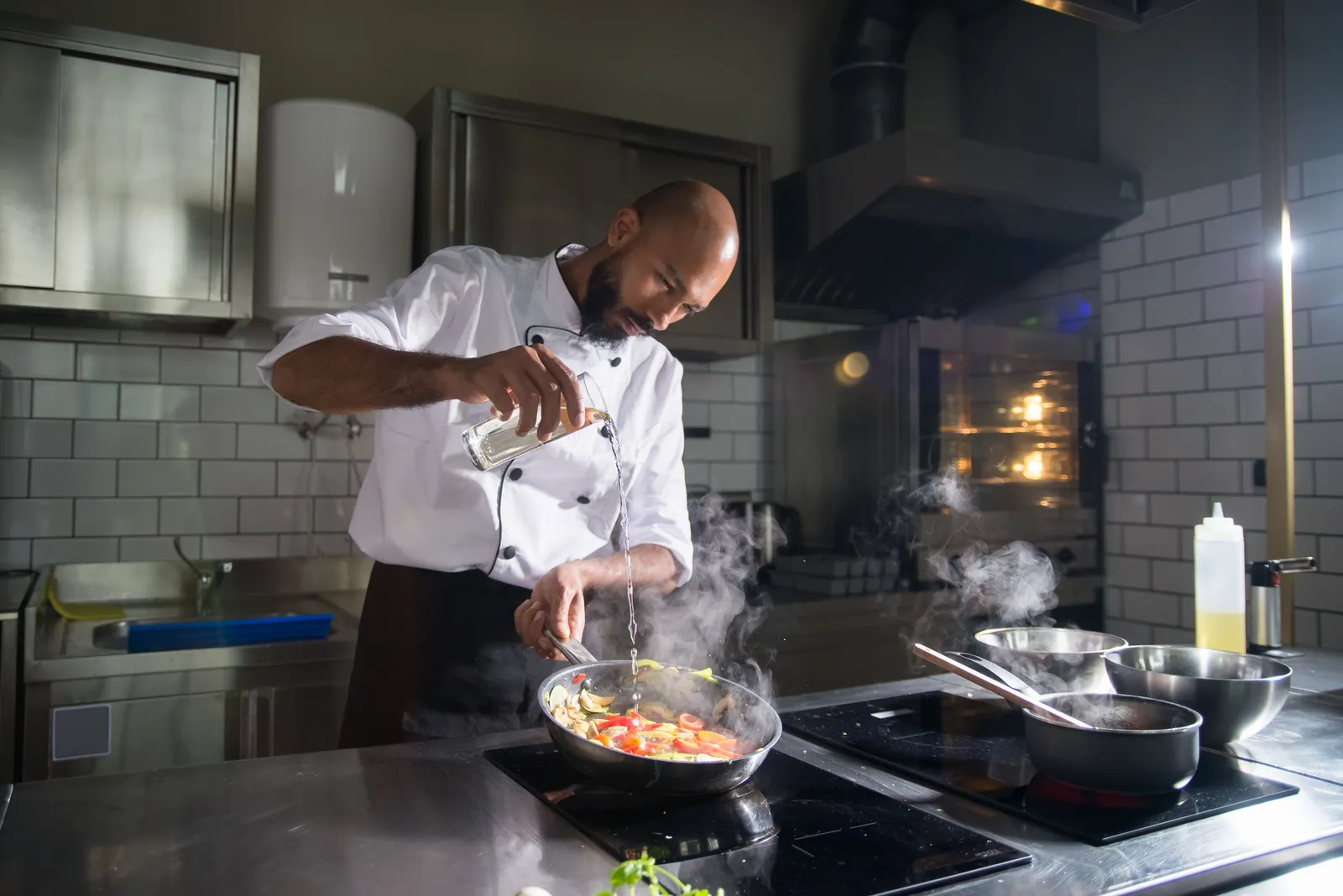
A restaurant kitchen is a place of heat, sharp tools, wet floors and speed. In British Columbia, WorkSafeBC runs the workers' compensation system and sets and enforces workplace safety rules. Most employers must register with it and pay premiums. This guide covers what a restaurant owner needs to know to get started. It summarizes public information and is not legal advice. WorkSafeBC's own pages are the authority and change over time.
Do you have to register with WorkSafeBC?
Most employers in British Columbia are required by law to register their business and pay premiums. The provincial government's guide to starting a restaurant points owners to WorkSafeBC's registration page when they hire employees. Go2HR, the tourism and hospitality industry association, describes the duties that follow: register for coverage, pay premiums, report payroll and report injuries and diseases.
Register before your first employee starts work. Employers who do not register can be fined and charged the cost of an injured worker's claim.
What do premiums cover?
Premiums pay for the compensation system that covers treatment and lost wages for workers injured at work, and they protect employers from most lawsuits by injured workers. Your premium rate depends on your industry classification and on your payroll, and WorkSafeBC publishes rates each year. Report your payroll accurately and on time. Underreporting leads to audits and penalties.
What first aid must a restaurant provide?
The Occupational Health and Safety Regulation, Part 3, sets first aid requirements for British Columbia workplaces. Go2HR explains that an employer must provide the necessary equipment, supplies, facilities, first aid attendants and services to treat injured workers and to transport them to medical care. Go2HR also publishes a guide on WorkSafeBC's updated first aid requirements for tourism and hospitality employers. The number of attendants and the contents of kits depend on the size of your workplace and its distance from medical help, so use WorkSafeBC's first aid assessment tool and its current guidance. Do not guess.
Practical steps:
- Keep a stocked first aid kit where staff can reach it, and mark where it is.
- Make sure someone on every shift holds the right certificate where required.
- Post emergency numbers and the address of your location.
- Keep a first aid log of every injury, however small.
- Know how you would get an injured worker to a hospital.
What are the main kitchen hazards?
- Burns and scalds from fryers, stoves, steam and hot liquids.
- Cuts from knives, slicers and broken glass.
- Slips and falls on wet or greasy floors.
- Lifting injuries from stock, boxes and kegs.
- Chemical exposure from cleaning products.
- Fire, especially from grease.
- Stress, harassment and violence, including from customers.
For each, WorkSafeBC expects you to identify the risk, take reasonable steps and train workers.
What training do new and young workers need?
WorkSafeBC expects employers to give new workers an orientation covering hazards, safe work procedures, first aid, emergency procedures and how to report concerns. Young and new workers face higher risk, so supervise them closely. Keep a record of each orientation, signed and dated.
Do you need a health and safety program?
Depending on the size of your business, you may need a formal occupational health and safety program, a joint committee or a worker representative. WorkSafeBC's guidance says what applies at each size. Even if it does not require a formal program, write down your procedures. Include knife safety, cleaning, lifting, fire response and what to do if someone is hurt.
What about bullying and harassment?
Employers in British Columbia are expected to have a policy and procedures on workplace bullying and harassment, and to train staff. A kitchen with a tough culture needs the policy more than most. Make sure staff know how to report a concern and that a manager acts on it.
What happens when WorkSafeBC inspects?
Officers can visit without warning. They look at the workplace, your records, your training and your procedures, and can issue orders, penalties or stop-work orders. Keep records ready: orientation logs, first aid logs, inspection records and your safety procedures.
How do you report an injury?
Report serious injuries and incidents to WorkSafeBC straight away and file the required forms within the deadlines. Check the current rules when you register. Never discourage a worker from reporting.
Where can you get help?
WorkSafeBC publishes guides and runs a prevention line. Go2HR offers tools designed for restaurants and hotels. Your accountant can help with payroll reporting.
More guides for your business:
- The Accessible BC Act and your restaurant website: what applies today and what to do anyway
- BC's delivery app fee cap: what it covers, what it does not and how to work out your real margin
- Liquor licences for BC restaurants: food primary or liquor primary, and who needs Serving It Right
More in the Canadian guides for food businesses.
Questions
Common questions
Do restaurants have to register with WorkSafeBC?
Most BC employers must register and pay premiums. The provincial restaurant start-up guide points owners to WorkSafeBC's registration page.
What first aid does a BC restaurant need?
The requirements are in Part 3 of the Occupational Health and Safety Regulation and depend on your size and location. Go2HR publishes a guide to the updated hospitality requirements.
What happens if I do not register?
You can be fined and charged the cost of an injured worker's claim.
Do I need a bullying and harassment policy?
Employers in British Columbia are expected to have one and to train staff.
Where can I get restaurant-specific safety help?
WorkSafeBC and Go2HR both publish guides for food service.
More like this
Read next
The Accessible BC Act and your restaurant website: what applies today and what to do anyway
British Columbia's Accessible BC Act applies mainly to public bodies for now. What that means for a private restaurant, why website accessibility still matters and a practical checklist.
AODA website rules for Ontario restaurants: who must meet WCAG 2.0 AA and what to fix first
Ontario's accessibility law requires larger private employers to make public websites meet WCAG 2.0 Level AA. Who is covered, what counts as your website, and a practical fix list for a restaurant.
Are Canadians eating out less in 2026, and what brings them back?
Restaurants Canada reports that most Canadians are cutting back on restaurant visits. What the survey says, why table-service businesses have reason to hope, and what independents can do about it.
Selling alcohol with takeout and delivery in BC: what the regulation lets a food primary licence do
Food primary and liquor primary licensees in BC can deliver and sell liquor in unopened containers with a meal. What the Liquor Control and Licensing Regulation says, and the Serving It Right rule.
Put your menu, your replies and your photos in front of diners
Claim your free listing and decide how your business looks to the people searching for a good dish near them.
Free to list: your menu, replies and photos.