
For businesses
Should your restaurant join Dine Out Vancouver or Summerlicious?
Mosey · November 11, 2026 · 4 min read
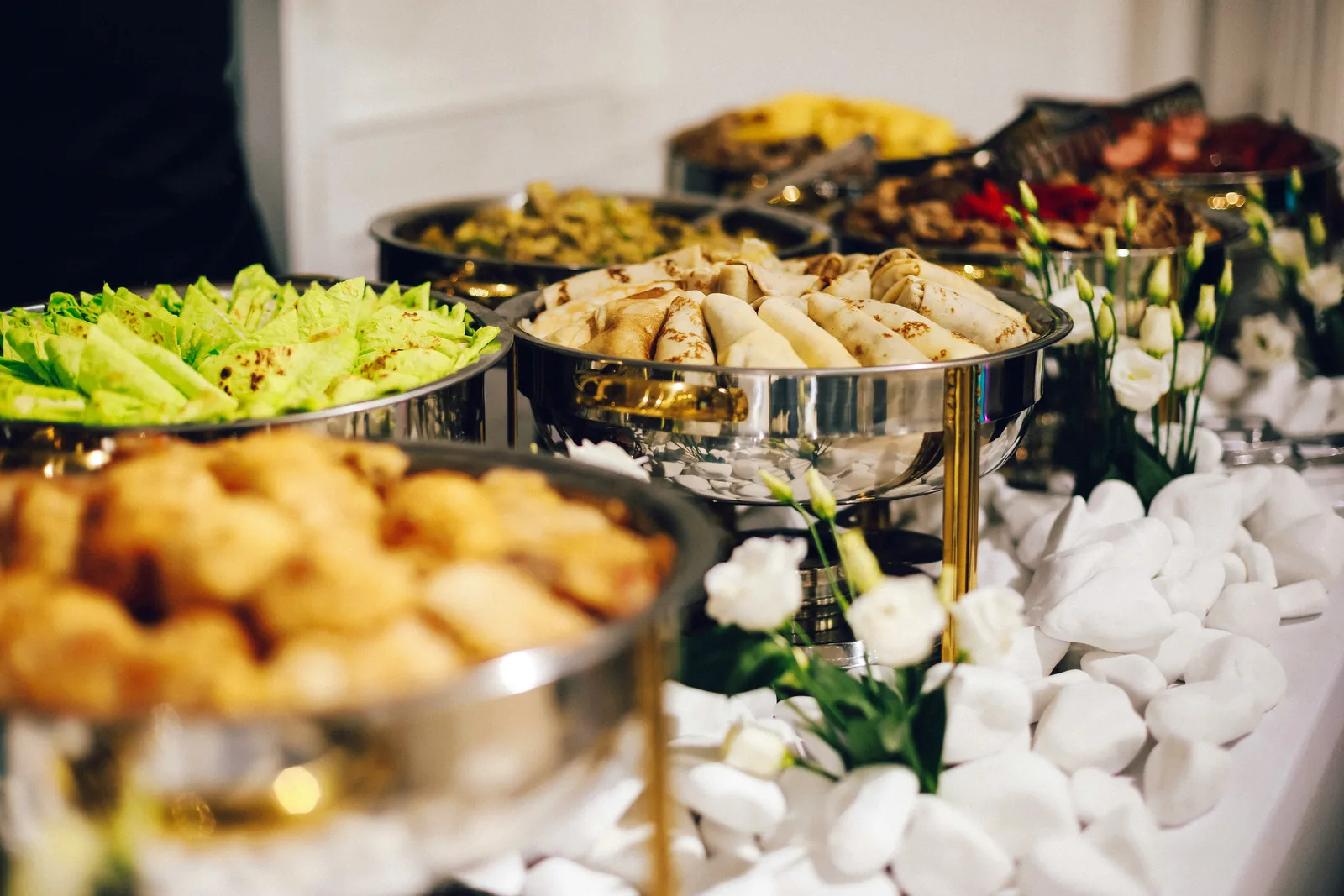
Every year, Canadian cities run restaurant festivals in their quietest months: Dine Out Vancouver in January and February, and Toronto's Winterlicious and Summerlicious. Hundreds of restaurants take part, and many thousands of diners go out because of them. For a restaurant, the question is not whether the festivals are popular. It is whether taking part is good for your business.
What are restaurant festivals like Dine Out Vancouver?
They are city-wide events where participating restaurants offer fixed-price menus, usually three courses or more, for a few weeks. Dine Out Vancouver is produced by Destination Vancouver and runs in the low season to bring diners out. Toronto's Summerlicious and Winterlicious are run by the City of Toronto, which selects participating restaurants. Each has its own application process, rules and costs, set by the organizers.
What are the benefits of joining a restaurant festival?
- More covers in slow months, when the dining room might otherwise be quiet.
- New customers who have never visited.
- Marketing reach, through the festival's own promotion.
- A reason for regulars to come in and try something different.
- Team energy, with a busy, structured service.
What are the risks of joining a restaurant festival?
- Thin margins, if the fixed price does not cover your food and labour costs.
- Kitchen strain, from high volume and a new menu.
- One-time visitors who never return.
- Disappointing guests if the festival menu does not represent your restaurant well.
A festival is worth it when it introduces the right people to the best version of your restaurant, at a price that works.
How do you design a festival menu that makes money?
- Cost every dish carefully, including labour and garnish, against the fixed price.
- Use dishes from your regular menu, so guests experience what they will come back for.
- Offer real choice without overloading the kitchen; two or three options per course is often enough.
- Include a signature dish, even if it needs a modest supplement.
- Plan drinks pairings, which can improve your average spend.
- Prep for speed: dishes that can be plated quickly and consistently.
How do you turn festival guests into regular customers?
| Tactic | How it works |
|---|---|
| Invite them back | A reason to return after the festival, such as a seasonal menu launch |
| Collect contact details with consent | Follow CASL: clear opt-in, identification, easy unsubscribe |
| Make a memorable impression | Great service on a busy night stands out |
| Ask for reviews | Many festival guests are happy to share their experience |
| Show your regular menu | Let guests see what else you do |
Should you join Dine Out or Summerlicious every year?
Not necessarily. Review each festival afterward: covers, average spend, food costs, staff feedback, and how many guests came back. If the numbers and the feedback are good, it is worth repeating. If not, try a different approach, such as your own off-season promotion or event.
What should you track during a restaurant festival?
- Covers per service compared with the same period last year.
- Average spend per guest, including drinks.
- Food cost percentage of the festival menu.
- Returning guests in the weeks and months after.
- Reviews and feedback from festival guests.
How do you prepare your team for a festival rush?
A festival can mean several nights in a row at full capacity, often with many first-time guests who do not know your menu. Brief front-of-house staff on every festival dish, including allergens and suggested drink pairings. Plan prep lists for higher volume, and schedule extra hands for the busiest services. Agree in advance how you will handle dietary requests and substitutions, so the kitchen is not improvising at peak time. After the first night, hold a short debrief and adjust.
How do you handle bookings and no-shows during a festival?
Demand is high, and some guests book several restaurants and only turn up at one. Confirm reservations a day ahead, keep a waitlist for last-minute cancellations, and consider a clear cancellation policy for larger groups. Walk-in tables can also help absorb no-shows on busy nights.
Are there alternatives to city festivals?
Yes. Some restaurants run their own off-season tasting menus, themed nights, chef collaborations or community events. These give you more control over pricing and timing, though you have to do all the promotion yourself.
Mosey is built around diners rating the places they actually ate at, dish by dish. A festival menu is effectively a public test of your best dishes, so choose the ones you want people to remember.
More guides for your business:
- Running an Okanagan restaurant through a wine-tourism year: staffing, bookings and the winter gap
- Staffing a resort-town restaurant in Whistler or Tofino: housing, hours and keeping a team through the low season
- Victoria restaurants and the tourist season: cruise days, afternoon tea crowds and quiet winters
More in the Canadian guides for food businesses.
Questions
Common questions
Is Dine Out Vancouver worth it for restaurants?
It can be, especially for bringing new diners in the slow season. It works best when the fixed-price menu covers costs and shows off your best dishes.
How do restaurants join Summerlicious?
The City of Toronto runs Summerlicious and Winterlicious and selects participating restaurants through its own application process.
How do I design a profitable festival menu?
Cost each dish carefully, use dishes from your regular menu, offer limited but real choices, and plan drinks pairings.
How do I get festival diners to come back?
Give them a reason to return, collect contact details with proper consent, deliver great service, and show them your regular menu.
What should a restaurant track during a festival?
Covers, average spend, food cost, returning guests and reviews.
More like this
Read next
The Accessible BC Act and your restaurant website: what applies today and what to do anyway
British Columbia's Accessible BC Act applies mainly to public bodies for now. What that means for a private restaurant, why website accessibility still matters and a practical checklist.
AODA website rules for Ontario restaurants: who must meet WCAG 2.0 AA and what to fix first
Ontario's accessibility law requires larger private employers to make public websites meet WCAG 2.0 Level AA. Who is covered, what counts as your website, and a practical fix list for a restaurant.
Are Canadians eating out less in 2026, and what brings them back?
Restaurants Canada reports that most Canadians are cutting back on restaurant visits. What the survey says, why table-service businesses have reason to hope, and what independents can do about it.
Selling alcohol with takeout and delivery in BC: what the regulation lets a food primary licence do
Food primary and liquor primary licensees in BC can deliver and sell liquor in unopened containers with a meal. What the Liquor Control and Licensing Regulation says, and the Serving It Right rule.
Put your menu, your replies and your photos in front of diners
Claim your free listing and decide how your business looks to the people searching for a good dish near them.
Free to list: your menu, replies and photos.