
For businesses
Running an Okanagan restaurant through a wine-tourism year: staffing, bookings and the winter gap
Mosey · November 11, 2026 · 5 min read
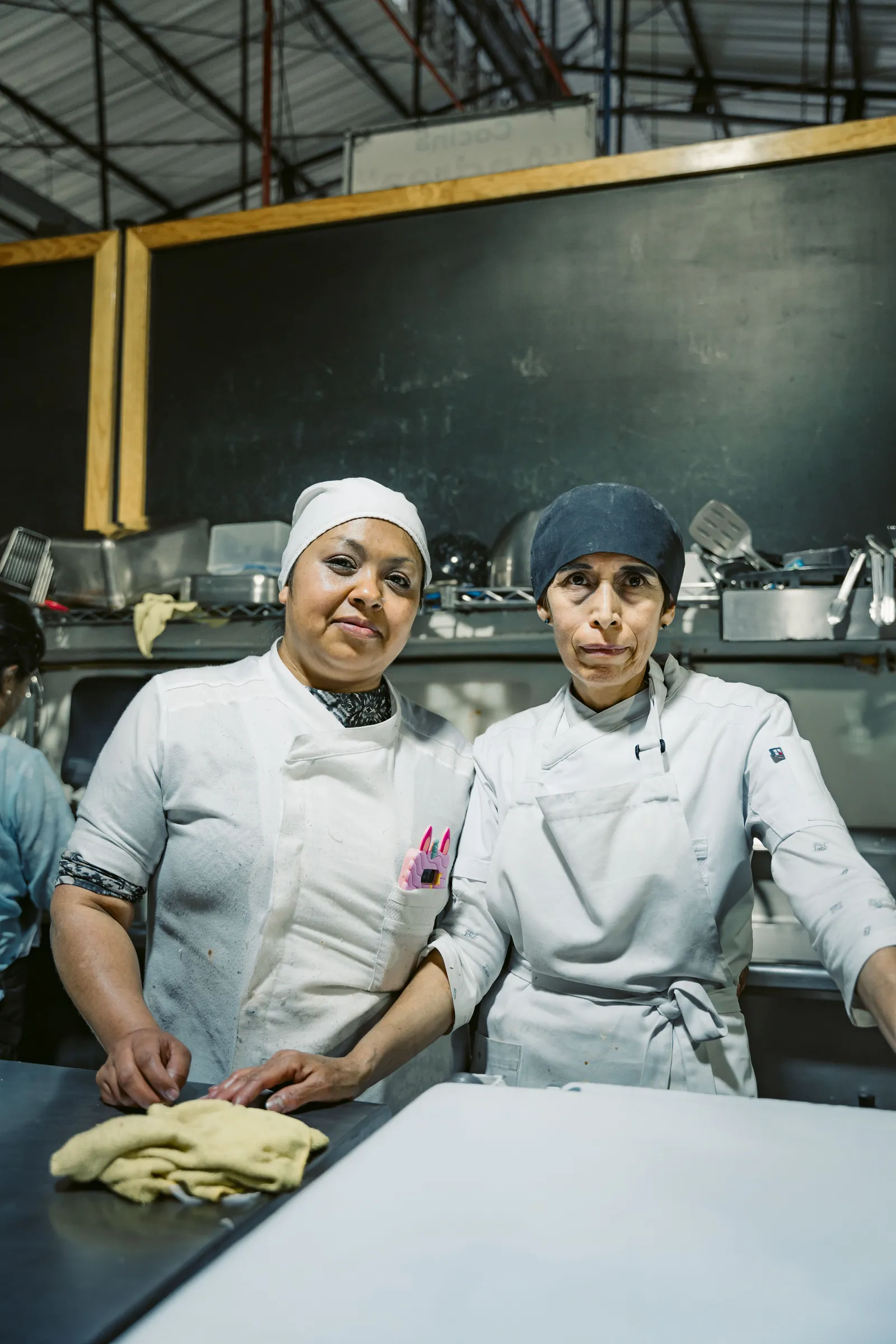
An Okanagan restaurant has a rhythm that a city restaurant does not. Visitors arrive in June, peak in August and September, and thin out after Thanksgiving. Wineries, orchards and lakes shape the calendar, and a business that plans around it earns more than one that just reacts. This guide sets out practical ideas, not rules.
What does the year look like?
Roughly, though it changes with weather and events:
| Season | What happens |
|---|---|
| Spring | Blossom, quiet roads, wineries reopening, early visitors |
| Summer | Heat, lake crowds, patios full, long waits |
| Early autumn | Harvest, wine events, the best produce and the biggest tables |
| Late autumn | Fewer visitors, some wineries cut hours |
| Winter | Locals, ski traffic to nearby mountains, many seasonal businesses closed |
Write your own version with your own numbers. Last year's sales by week are the best forecast you have.
How do you staff a seasonal business?
Seasonal labour is the hardest problem. Many Okanagan restaurants hire students and working-holiday visa holders for summer, and housing is scarce and expensive. Ideas that work:
- Recruit early, in March and April, before other businesses.
- Offer a guaranteed number of hours and a clear end date.
- Help with housing leads, or share a house with another business.
- Keep a core year-round team on good hours and a bonus for staying through winter.
- Cross-train so one person can work several stations.
- Pay at least the provincial minimum wage, which is 18.25 dollars an hour from 1 June 2026, and pay your best staff more.
Check the rules on working visas and on student hours before you hire, and the rules for anyone under 16 (section 9 of the Employment Standards Act).
How do you manage bookings in peak weeks?
Harvest weekends and long weekends fill weeks in advance. A few habits help:
- Take bookings online and by phone, with a clear policy for large groups.
- Ask for a deposit or card details on peak nights to reduce no-shows. Ask your accountant how a deposit is taxed and what your refund terms should say.
- Keep a share of tables for walk-ins, since many visitors decide on the day.
- Use a waitlist and send a message when a table is ready.
- Tell guests how long their table is held and the time limit on their seating.
How do you work with wineries?
Wineries are your neighbours and your competitors. Many have their own restaurants and sell wine on site. They are also your suppliers and your best source of customers. Consider:
- stocking local wines by the glass, and naming the winery
- hosting a winemaker dinner on a quiet weeknight
- offering a winery tour package with a lunch or dinner
- listing your business on regional trail guides
Winemaker dinners work because they bring a fixed number of guests at a fixed price in advance.
What about winter?
The Okanagan winter is long. Some businesses close for a few weeks in January to rest the team and repair the building. Others adapt: lower-priced menus for locals, soup and comfort food, cooking classes and tasting dinners. Think about who is in town in winter, such as skiers on weekends, retirees, hospital workers and university students, and design offers for them.
How do you handle wildfire smoke and heat?
Smoke can empty a patio in an afternoon, and a closure on the highway can cost a weekend. Keep a plan: a policy for rebooking guests, an indoor option and a communications routine for closures. Check insurance for business interruption.
What should you track?
- Sales by week and by day of week
- Cover counts and average spend
- No-show rates
- Hours worked against sales
- Local versus visitor share
Review it every month in season, and every quarter in winter.
What about group bookings from tour operators?
Tour buses and shuttle companies often send groups of twenty or more, and the arrival is usually fixed by their schedule rather than yours. Agree on a set menu in advance, a deposit, a headcount deadline and a payment method, and confirm dietary needs a few days before. Decide how many groups you will take on a single day, so that regular guests are not displaced. A good group booking is a bulk order with a known price, and it can fill a slow weekday lunch.
What should you do now?
- List your key dates for next year, such as long weekends, harvest events and local festivals.
- Plan staffing for each, and start hiring early.
- Contact two wineries about shared events.
- Design a winter offer for locals.
Whatever tools you use, they should help with bookings, deposits and messaging, and they should show you which weeks earn the money.
More guides for your business:
- Staffing a resort-town restaurant in Whistler or Tofino: housing, hours and keeping a team through the low season
- Victoria restaurants and the tourist season: cruise days, afternoon tea crowds and quiet winters
- CASL for restaurants: consent for text messages, loyalty sign-ups and birthday offers
- CASL for restaurants: how to email and text customers legally in Canada
More in the Canadian guides for food businesses.
Questions
Common questions
When is the Okanagan restaurant peak?
Summer and early autumn, around harvest, with September often the busiest month for wine events. Winter is quiet.
How do I find seasonal staff in the Okanagan?
Start recruiting in March and April, offer guaranteed hours and help with housing, and consider students and working-holiday visa holders.
Should I take deposits for harvest weekends?
Deposits reduce no-shows on peak nights. Explain the policy clearly when booking.
How can a restaurant work with local wineries?
By stocking local wine, hosting winemaker dinners and joining regional trail guides.
What if wildfire smoke affects my patio?
Have an indoor option, a rebooking policy and a way to message guests quickly.
More like this
Read next
The Accessible BC Act and your restaurant website: what applies today and what to do anyway
British Columbia's Accessible BC Act applies mainly to public bodies for now. What that means for a private restaurant, why website accessibility still matters and a practical checklist.
AODA website rules for Ontario restaurants: who must meet WCAG 2.0 AA and what to fix first
Ontario's accessibility law requires larger private employers to make public websites meet WCAG 2.0 Level AA. Who is covered, what counts as your website, and a practical fix list for a restaurant.
Are Canadians eating out less in 2026, and what brings them back?
Restaurants Canada reports that most Canadians are cutting back on restaurant visits. What the survey says, why table-service businesses have reason to hope, and what independents can do about it.
Selling alcohol with takeout and delivery in BC: what the regulation lets a food primary licence do
Food primary and liquor primary licensees in BC can deliver and sell liquor in unopened containers with a meal. What the Liquor Control and Licensing Regulation says, and the Serving It Right rule.
Put your menu, your replies and your photos in front of diners
Claim your free listing and decide how your business looks to the people searching for a good dish near them.
Free to list: your menu, replies and photos.