
For businesses
How to get more customers for a restaurant in London, Ontario
Mosey · November 11, 2026 · 5 min read
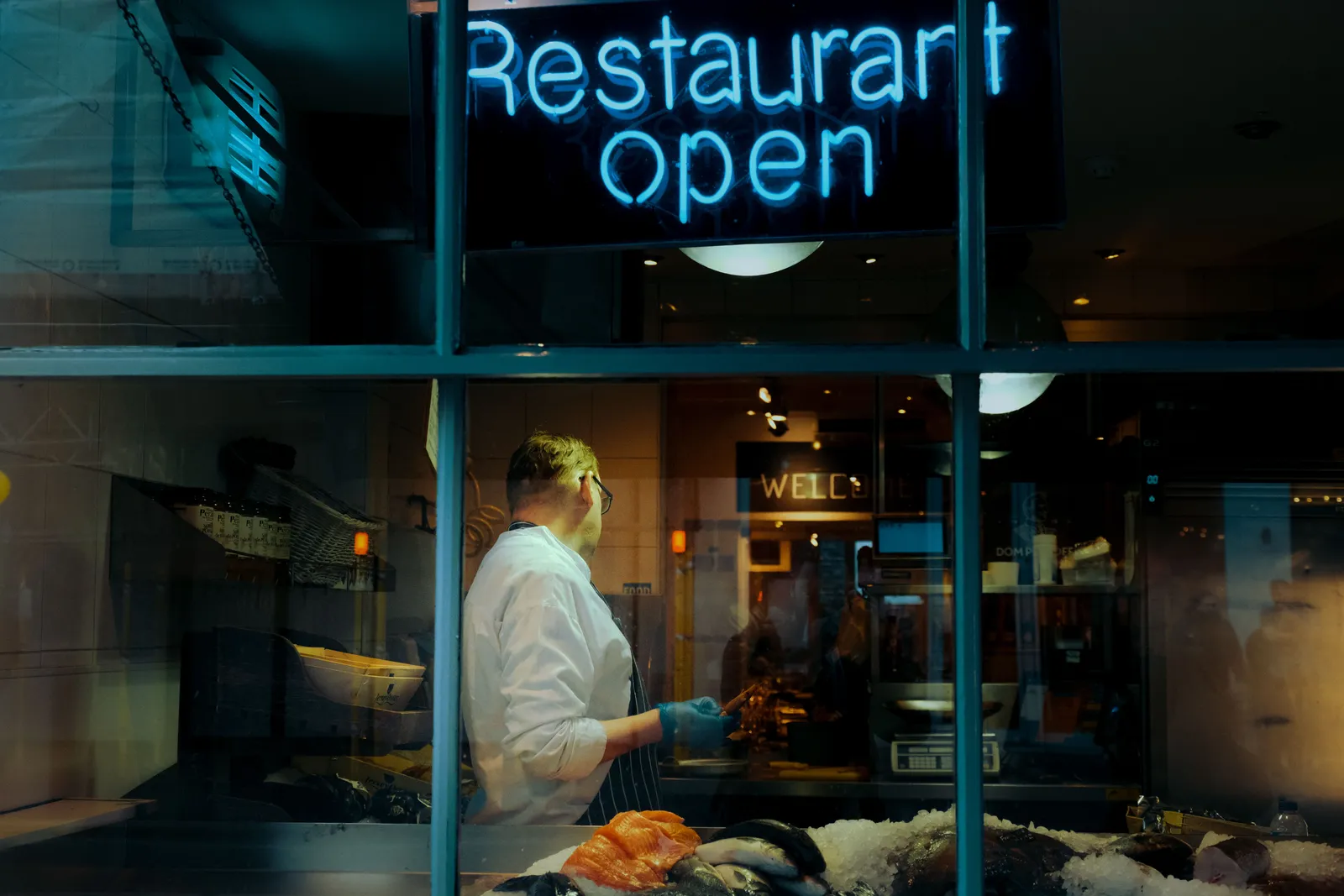
London, Ontario is a mid-sized city with a rhythm set by its universities, hospitals and colleges. Restaurants here live by the academic year, and a business that understands the calendar can plan its staffing, menu and promotions with confidence. This page is about tactics, not statistics: check local sources for population and spending figures before you build a financial plan.
How does the academic year shape your sales?
Students arrive in late August and September, leave in April and return, in smaller numbers, for summer courses. Your busiest weeks are often the first weeks of term, when students and parents look for places to eat, and the end of term, when families visit. December and the summer months are quieter. Plan your hiring, ordering and promotions around those peaks. Keep a simple calendar and note the dates of orientation week, reading week, exams and graduation.
Who else eats in London?
- Hospital and health-care workers, who eat at odd hours and value speed.
- Office and government workers downtown, who eat lunch on weekdays.
- Families, who fill the room on weekends and for celebrations.
- Visitors for events, concerts and sports, who need a meal before or after.
- Residents of older neighbourhoods, who prefer to walk to dinner.
A menu that serves two or three of these groups well is better than one that attempts them all.
How do you win students without becoming a student bar?
Students like value, good portions and places they can share. A weekday offer for groups, a clear price on every dish and a menu that works for dietary needs go further than a rowdy reputation. If your business also needs to serve families and professionals, keep your late-night offers separate from your regular service. Hire a few students who can speak to their peers and be honest about what works.
How do you build weeknight regulars?
- Choose a night and name it. "Thursday supper" is easier to talk about than a vague discount.
- Use local ingredients. London sits in farm country. A dish that names a nearby farm is worth a line on the menu.
- Hold a monthly event. A tasting, a guest chef night or a music evening gives regulars something to mark in their calendar.
- Collect permission to contact. A simple sign-up at the till lets you tell regulars about a new dish. Follow Canada's anti-spam rules.
- Say thank you. A regular who is remembered by name comes back.
How do you reach people who are searching?
Most people choose where to eat on a phone. Make sure your Google Business Profile has accurate hours, current photographs, your menu and a link to book or order. Ask guests who enjoyed a dish to mention it by name. Reply to reviews within a few days. Check that your hours match your door, particularly on holidays and during exam weeks.
How do you handle downtown change?
Downtown London has seen new housing, new businesses and changes to streets and transit. Foot traffic can shift. If you are downtown, stay in touch with the business improvement area and your neighbours, join joint promotions and keep a record of what each event does for your sales. If you are outside the core, consider how you can draw people to your neighbourhood instead.
What about delivery and takeout?
Third-party apps take a commission on each order, so use them to find new guests, not to serve your regulars. Offer your own phone or web ordering for people who already know you. A small discount for ordering directly, or a loyalty stamp, encourages the switch.
What does a good first month look like?
In September, put your best server on the busiest shift, keep the menu short and watch the clock on every table. Ask first-time guests how they found you. Write down the answers for four weeks, and you will know which channel to trust. Offer a card that stamps for the second and third visit, not just the tenth, since students form habits quickly. In October, review the numbers and drop a promotion that did not work. By November you should know which two or three dishes earn your reputation.
How do you work with landlords and neighbours?
A restaurant is part of a street. Keep your neighbours informed about noise, deliveries and events. Ask your landlord what plans exist for the block, such as construction or patio rules. In a changing downtown, a good relationship with the business improvement area gives you early notice of street closures and festival dates. Join their meetings, even if only once a year.
Are you wondering how to turn first-time student visitors into returning regulars?
The guests who tell their friends are the ones who remember a particular dish. Mosey is a food discovery app where diners rate the dishes they ate and keep lists of favourites, which helps a good kitchen be found by name. Nobody can pay to outrank you there, because Mosey Gold is earned from ratings alone.
More guides for your business:
- How to get more customers for a Niagara restaurant, from summer crowds to January icewine
- How to get more customers for a Winnipeg restaurant: summer crowds and cold-weather trade
- How to get more customers for an Edmonton restaurant: game nights, festivals and long winters
More in the Canadian guides for food businesses.
Questions
Common questions
How does the school year affect restaurants in London, Ontario?
Sales rise in the first weeks of term and at graduation, and fall in December and over the summer. Plan staffing and promotions around the calendar.
Who are the main guests in London?
Students, hospital and office workers, families, event visitors and residents of older neighbourhoods.
How do I build weeknight regulars?
Name a night, use local ingredients, hold a monthly event and thank regulars by name.
Should I use delivery apps?
Use them to find new guests, and offer your own ordering to regulars to avoid commissions.
How do I contact guests lawfully?
Get permission and follow Canada's anti-spam law. Make unsubscribing easy.
More like this
Read next
The Accessible BC Act and your restaurant website: what applies today and what to do anyway
British Columbia's Accessible BC Act applies mainly to public bodies for now. What that means for a private restaurant, why website accessibility still matters and a practical checklist.
AODA website rules for Ontario restaurants: who must meet WCAG 2.0 AA and what to fix first
Ontario's accessibility law requires larger private employers to make public websites meet WCAG 2.0 Level AA. Who is covered, what counts as your website, and a practical fix list for a restaurant.
Are Canadians eating out less in 2026, and what brings them back?
Restaurants Canada reports that most Canadians are cutting back on restaurant visits. What the survey says, why table-service businesses have reason to hope, and what independents can do about it.
Selling alcohol with takeout and delivery in BC: what the regulation lets a food primary licence do
Food primary and liquor primary licensees in BC can deliver and sell liquor in unopened containers with a meal. What the Liquor Control and Licensing Regulation says, and the Serving It Right rule.
Put your menu, your replies and your photos in front of diners
Claim your free listing and decide how your business looks to the people searching for a good dish near them.
Free to list: your menu, replies and photos.