
For businesses
How to get more customers for a Niagara restaurant, from summer crowds to January icewine
Mosey · November 11, 2026 · 4 min read
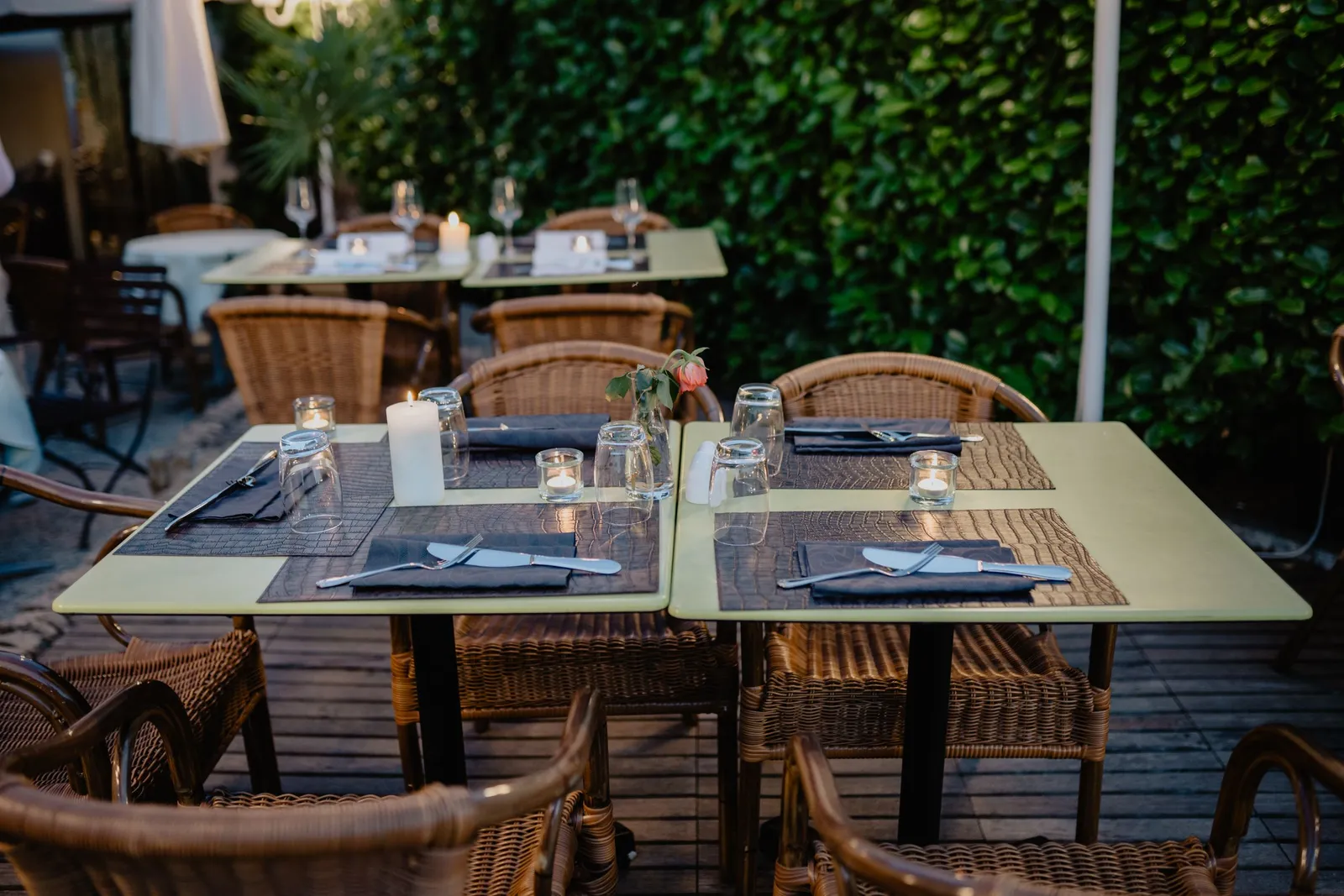
Niagara's restaurants have a problem that most would like to have: a very busy summer. They also have the opposite problem, a quiet winter. A business in Niagara Falls, Niagara-on-the-Lake, St. Catharines or the wine villages must decide each year how it will use the summer to build a base and how it will survive the cold months.
What does the Niagara calendar look like?
Summer brings tourists, wedding parties and wine tourists, and weekends can be full from June to September. Autumn has the harvest, which draws food and wine lovers. Winter is quiet, with one big exception: the Niagara-on-the-Lake Icewine Festival, held over two weekends in January. In 2026, the festival village ran on January 17 to 18 and 24 to 25, with free entry to the Queen Street village and tasting stations, food pairings and fire pits. For restaurants in the Heritage District, those weekends are a reliable winter peak.
How do you prepare for the January festival?
- Book your staff early. Your seasonal team may have moved on.
- Create a festival menu. A short menu of small plates that pair with icewine and winter wine.
- Consider a pass or package. Some wineries offer passes. A restaurant can offer a pairing dinner on the same weekends.
- Take bookings in advance. Festival weekends fill. Publish your booking terms, including any deposit.
- Plan for cold-weather service. A heated entrance, a cloakroom and hot drinks.
How do you reach wine tourists?
Wine visitors are often planning a weekend. They book accommodation, then dinner. They look for restaurants that know the local wines and can recommend a pairing. Train your staff to describe local wines and to suggest a sparkling, a white and a red from the region. List producers on your menu. A printed wine list with local names and a short note about each is worth the effort.
How do you keep local regulars in the summer rush?
Locals tend to avoid the places that become tourist traps in July. Keep them with a loyalty reward, a special weekday menu or an hour reserved for residents. Let them know in advance when you will be at capacity. A regular who is turned away on a Saturday may not return in January.
How do you handle staffing in a seasonal market?
Seasonal workers often leave in September, and finding people again in May is hard. Think about:
- Guaranteed hours for core staff through winter.
- Cross-training so that a small team can run a quiet service.
- Housing help, as workers face high rents.
- Student partnerships with nearby colleges for part-time shoulder-season shifts.
- A clear end-of-season conversation, so staff know whether they will be invited back.
What can you do in the shoulder seasons?
April, May, October and November can be good months if you give people a reason. Harvest dinners, farm tours with a meal, a winemaker's night and a cooking class all fill tables without a discount. Promote them early and keep numbers small, so they feel special.
How should you price?
Summer prices can reflect demand, but beware of looking like you are charging visitors more than locals. Offer a lunch menu and a locals' evening at a fair price. A reputation for honest pricing is hard to earn and easy to lose.
What should a tasting menu or special dinner include?
A good special dinner is small, clear and priced to reflect real cost. Offer a set number of courses, state the price and the pairing, and say how many seats are available. Ask for a deposit or prepayment so that a no-show does not leave you with a full kitchen and an empty room, and state the cancellation terms before the guest pays. Keep the menu short enough that the kitchen can cook it well. After the dinner, send a thank-you and a photograph of the menu, and invite guests to rate the dish they liked best.
How do you protect your staff in the busy months?
A long summer wears people down. Rotate the hardest shifts, give days off when you can, and feed your team before service. Notice who is carrying the room. A season of strong service depends on people who still want to be there in September, so look after them before you look after the till.
Do you want more of your guests to arrive already excited about your dish?
Guests who plan a weekend in wine country look up the food before they go. Mosey is a food discovery app where diners rate the dishes they ate and search by what they want to eat, so a standout plate in Niagara can be found before the trip. Nobody can pay to outrank you there, because Mosey Gold is earned from ratings alone.
More guides for your business:
- How to get more customers for a Winnipeg restaurant: summer crowds and cold-weather trade
- How to get more customers for an Edmonton restaurant: game nights, festivals and long winters
- Minimum wage for restaurant staff in Nova Scotia and Prince Edward Island (2026)
More in the Canadian guides for food businesses.
Questions
Common questions
When is the Niagara-on-the-Lake Icewine Festival?
It is held over two weekends in January. In 2026 these were January 17 to 18 and 24 to 25.
Is entry to the Icewine village free?
Entry to the Queen Street village was free in 2026. Winery tastings and dinners may charge.
How can Niagara restaurants survive winter?
Plan around the January festival, keep core staff with guaranteed hours and run harvest and winemaker events in the shoulder seasons.
How do I attract wine tourists?
Train staff to recommend local wines, list producers on the menu and take bookings in advance.
How do I keep locals in the summer rush?
Offer a weekday menu, a loyalty reward or an hour reserved for residents.
More like this
Read next
The Accessible BC Act and your restaurant website: what applies today and what to do anyway
British Columbia's Accessible BC Act applies mainly to public bodies for now. What that means for a private restaurant, why website accessibility still matters and a practical checklist.
AODA website rules for Ontario restaurants: who must meet WCAG 2.0 AA and what to fix first
Ontario's accessibility law requires larger private employers to make public websites meet WCAG 2.0 Level AA. Who is covered, what counts as your website, and a practical fix list for a restaurant.
Are Canadians eating out less in 2026, and what brings them back?
Restaurants Canada reports that most Canadians are cutting back on restaurant visits. What the survey says, why table-service businesses have reason to hope, and what independents can do about it.
Selling alcohol with takeout and delivery in BC: what the regulation lets a food primary licence do
Food primary and liquor primary licensees in BC can deliver and sell liquor in unopened containers with a meal. What the Liquor Control and Licensing Regulation says, and the Serving It Right rule.
Put your menu, your replies and your photos in front of diners
Claim your free listing and decide how your business looks to the people searching for a good dish near them.
Free to list: your menu, replies and photos.