
For businesses
Allergen labelling for Canadian restaurants: the priority allergens and what the federal rules cover
Mosey · November 11, 2026 · 4 min read
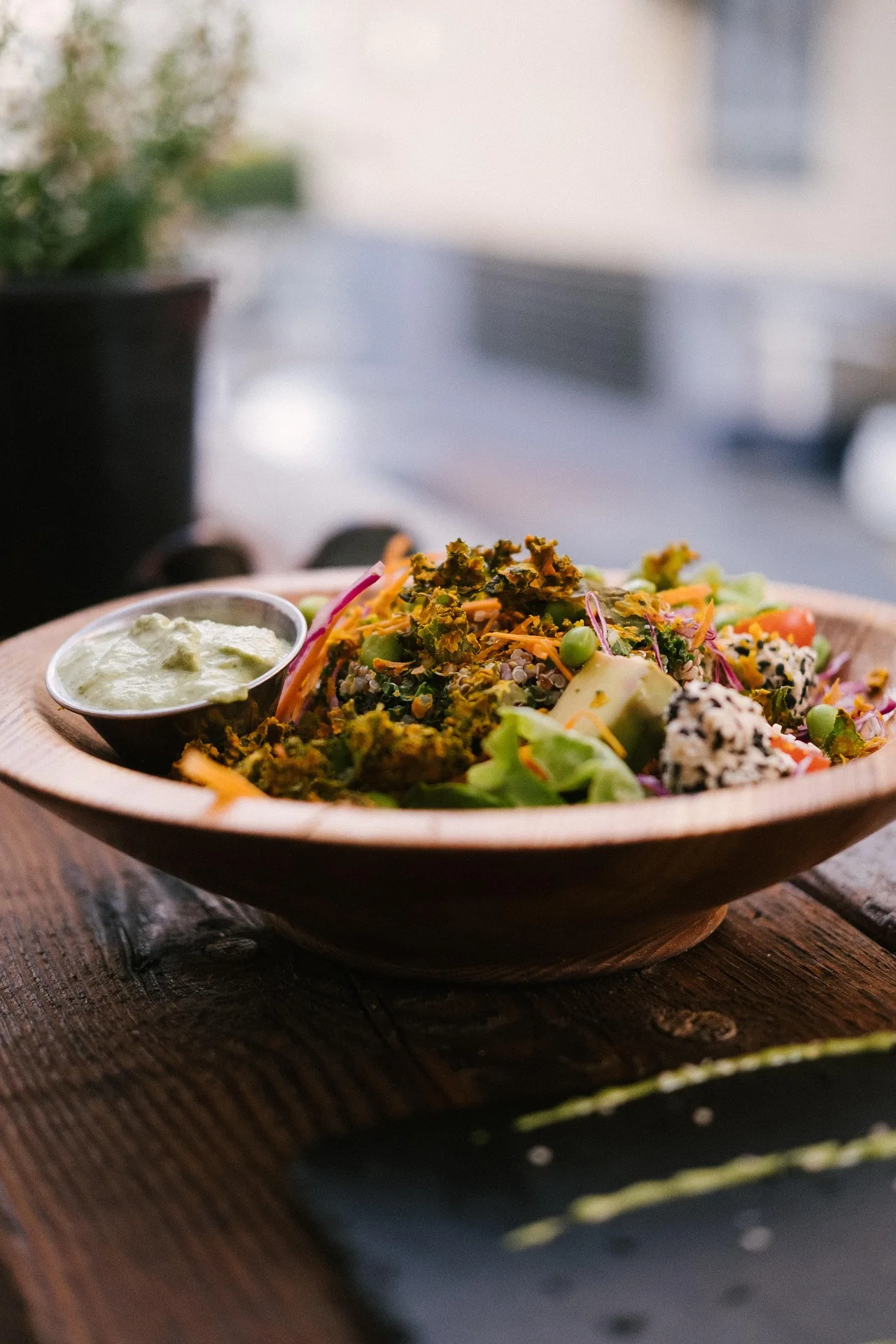
An allergic guest decides in a few seconds whether to trust your kitchen. The law on allergen labelling in Canada is written mostly for food manufacturers, and restaurants often cannot tell where it stops. Health Canada sets the labelling rules for packaged food, and the rest is yours to build.
What are the priority allergens?
Health Canada lists the priority allergens as eggs, milk, mustard, peanuts, crustaceans and molluscs, fish, sesame seeds, soy, sulphites, tree nuts, and wheat and triticale. The tree nuts are almonds, Brazil nuts, cashews, hazelnuts, macadamia nuts, pecans, pine nuts, pistachios and walnuts. Gluten sources, which are also covered, are barley, oats, rye, triticale and wheat. Foods that can cause severe or life-threatening reactions must be identified by their common names on a label.
What do the federal labelling rules cover?
Prepackaged foods. Health Canada's question-and-answer page defines a prepackaged product as food contained in a package in the manner in which it is ordinarily sold. The regulations that strengthened the labelling of allergens, gluten and added sulphites came into force on 4 August 2012. Allergens can be declared in the ingredient list or in a "Contains" statement placed immediately after it, and the statement must be exhaustive.
When does a restaurant package food?
When you wrap sandwiches, bag cookies or bottle sauces and sell them from a counter. The Health Canada page says some products are exempt from the ingredient list: prepackaged products packaged from bulk on retail premises (except nut mixtures), and individual portions served by a restaurant. It also says that if a manufacturer chooses to list ingredients on these products, the allergen rules apply. So a bakery counter that puts an ingredient list on a bag of cookies should name the priority allergens in it.
What about the menu?
Health Canada's rules do not address restaurant menus, and its guidance on unpackaged food says only that some products are served unpackaged, and therefore unlabelled, for example a glass of wine. That does not make a menu free of expectations. Ask your local public health unit or health authority what they expect on a menu, and what your own inspector looks for. Then build your own system.
What does the guest actually need from you?
Health Canada's consumer page says foods that can cause severe or life-threatening reactions are identified on labels by their common names, so that people can recognize them. Take the same idea to the dining room. A guest with a sesame allergy should not have to know that tahini is sesame, and a guest avoiding mustard should not have to guess that a dressing contains it. Use the plain name on your allergen chart, and train servers to answer in the same words.
What should your own system look like?
- An allergen chart for every dish, based on your recipes and supplier labels, kept up to date when a supplier changes a product.
- A staff rule that nobody guesses. If a server does not know, they ask the kitchen.
- A clear way for guests to tell you, on the menu and when they book.
- Separate tools and surfaces for allergen-free orders, as far as your kitchen allows, and honest wording where it does not. "Prepared in a kitchen that handles nuts" is clearer than silence.
- A record of each request and what the kitchen did.
- Training for every new hire on the priority allergens.
How should you word a "may contain"?
Federal guidance is about declaring the allergens in a product, and it does not give you a safe form of words for cross-contact. If you use a precautionary line such as "may contain" on a packaged item, use it where cross-contact is real, not as a blanket disclaimer on every dish, which teaches guests to ignore it.
What about suppliers?
Your best protection is your supplier's label. Keep the label or the specification sheet for each ingredient, and re-read it when the product code changes. A product that was nut-free last year may not be now.
Where else does this show up?
In training: see Ontario food handler certification and FOODSAFE certification in BC. In inspections: see DineSafe and Ontario inspections and BC health inspection readiness.
More in the Canadian guides for food businesses.
Questions
Common questions
What are the priority allergens in Canada?
Eggs, milk, mustard, peanuts, crustaceans and molluscs, fish, sesame seeds, soy, sulphites, tree nuts, and wheat and triticale, with gluten sources named separately.
Do federal allergen rules apply to my restaurant menu?
Health Canada's pages cover prepackaged food and do not address restaurant menus. Ask your local public health unit what it expects.
Do I have to list ingredients on food I package at my counter?
Products packaged from bulk on retail premises are exempt from the ingredient list, except nut mixtures, but if you list ingredients the allergen rules apply.
What is a Contains statement?
A statement placed immediately after the ingredient list that names the priority allergens in the product. It must be exhaustive.
Is a may contain statement required?
The Health Canada pages used here do not require one. If you use it, keep it for real cross-contact and do not treat it as a substitute for controlling it.
More like this
Read next
The Accessible BC Act and your restaurant website: what applies today and what to do anyway
British Columbia's Accessible BC Act applies mainly to public bodies for now. What that means for a private restaurant, why website accessibility still matters and a practical checklist.
AODA website rules for Ontario restaurants: who must meet WCAG 2.0 AA and what to fix first
Ontario's accessibility law requires larger private employers to make public websites meet WCAG 2.0 Level AA. Who is covered, what counts as your website, and a practical fix list for a restaurant.
Are Canadians eating out less in 2026, and what brings them back?
Restaurants Canada reports that most Canadians are cutting back on restaurant visits. What the survey says, why table-service businesses have reason to hope, and what independents can do about it.
Selling alcohol with takeout and delivery in BC: what the regulation lets a food primary licence do
Food primary and liquor primary licensees in BC can deliver and sell liquor in unopened containers with a meal. What the Liquor Control and Licensing Regulation says, and the Serving It Right rule.
Put your menu, your replies and your photos in front of diners
Claim your free listing and decide how your business looks to the people searching for a good dish near them.
Free to list: your menu, replies and photos.