
For businesses
FOODSAFE in BC: who needs the certificate, what Level 1 involves and how to keep your staff covered
Mosey · November 11, 2026 · 4 min read
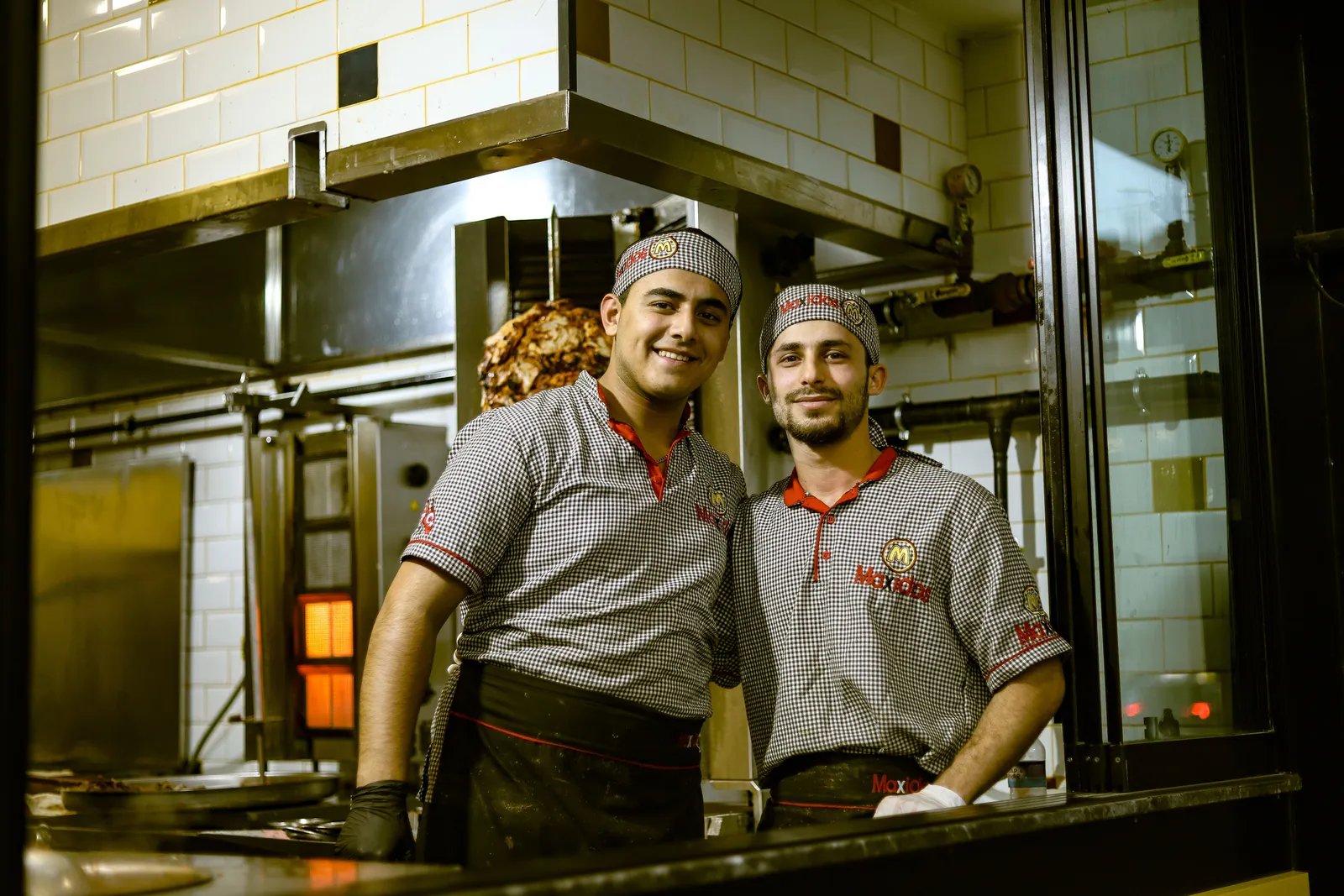
Food safety certification is one of the first things a health inspector asks about. In British Columbia, the program is FOODSAFE, and the rules sit in the Food Premises Regulation under the Public Health Act. Confirm each point with your health authority or the BC Centre for Disease Control before you plan.
Who needs a FOODSAFE certificate?
The regulation requires the operator of a food service establishment to hold a certificate, issued by a health official, for completing the FOODSAFE program or an equivalent. Ask your health authority what it expects of the staff on shift when you are away. As a matter of planning, a restaurant that opens before or after the owner works should have a certified person on every shift, and a certificate on the wall does not help if the holder is on holiday.
What is FOODSAFE Level 1?
Level 1 is the basic food handler course, and it finishes with an exam. You can take it online or in a classroom through approved providers, and courses on the BC Centre for Disease Control's list of equivalents satisfy the same requirement.
Topics generally include:
- how food becomes unsafe, and the common causes of foodborne illness
- temperatures: keeping cold food cold and hot food hot
- personal hygiene and handwashing
- cleaning and sanitizing equipment
- preventing cross-contamination
- receiving, storing and preparing food safely
How long does the certificate last?
The FOODSAFE program says Level 1 certificates are valid for five years, and the expiry date is printed on the certificate. Put the expiry date of each certificate in your calendar, and check the program's recertification page well before it arrives. Many owners discover an expired certificate during an inspection.
What temperatures does the regulation set?
The Food Premises Regulation requires potentially hazardous food to be stored or displayed at no more than 4 degrees Celsius (cold) or at least 60 degrees Celsius (hot). Put a thermometer in every fridge and hot-holding unit, and log the readings. Your health authority publishes guidance on cooling and reheating times, so ask for the current version.
What is FOODSAFE Level 2?
Level 2 is aimed at supervisors and managers. It covers running a food safety system, including hazard analysis, record keeping, training staff and working with inspectors. It is not always required, but it is valuable for a head chef or general manager who is responsible when the owner is out.
How do you build a plan around it?
- List everyone who handles food and their role.
- Check who holds a valid certificate and when it expires.
- Make sure a certified person is on every shift.
- Book renewals months before expiry.
- Keep a copy of each certificate on file.
- Build certification into your hiring: ask candidates whether they hold it, and pay for it when you hire a good cook.
Who pays for the training?
The law does not say. Many restaurants pay for the course and the time, because it protects the business and helps with retention. Some reimburse the fee after the probation period. Whatever you choose, put it in writing.
What happens if you do not comply?
The health authority can inspect your business, record the issue and require corrective action. Serious or repeated problems can lead to enforcement, up to closure. A missing certificate is a simple item to fix, and an easy one for an inspector to find.
How does this fit with other training?
FOODSAFE is separate from Serving It Right, which is the provincial responsible alcohol service course, and from WorkSafeBC's requirements for first aid and workplace safety. The BC government says licensees, managers and servers generally need Serving It Right, and that a certificate expires five years after it is issued. Check your first aid obligations with WorkSafeBC.
What about staff who prepare food only occasionally?
A bartender who slices lemons, a server who plates desserts and a host who fills water jugs all touch food. The safest policy is to train everyone who handles food, even occasionally, on handwashing, glove use and allergen basics, and to put a short written food safety briefing in your onboarding. Certification is a legal question for the operator and the shift, but training is a practical question for every person. A short laminated reminder at the hand sink, and a ten-minute talk before the first shift, prevent many problems.
Where to find current details
Each health authority, such as Vancouver Coastal Health, Fraser Health, Island Health and Interior Health, publishes guidance for food businesses and lists approved course providers. Check theirs.
More guides for your business:
- The Accessible BC Act and your restaurant website: what applies today and what to do anyway
- BC Employer Health Tax for restaurants: the exemption, the payroll bands and what to file
- Statutory holiday pay for BC restaurant staff: who qualifies and how to work out the pay
More in the Canadian guides for food businesses.
Questions
Common questions
Do all my staff need FOODSAFE in BC?
The Food Premises Regulation requires the operator to hold a certificate. Ask your health authority what it expects of staff on shift when the operator is away.
How long does a FOODSAFE Level 1 certificate last?
Five years, according to the FOODSAFE program. The expiry date is on the certificate.
Can I take FOODSAFE online?
Approved providers offer both online and classroom courses. Check the current list.
What is FOODSAFE Level 2?
A course for supervisors and managers on running a food safety system, record keeping and training.
Is FOODSAFE the same as Serving It Right?
No. Serving It Right covers responsible alcohol service. FOODSAFE covers food handling.
More like this
Read next
The Accessible BC Act and your restaurant website: what applies today and what to do anyway
British Columbia's Accessible BC Act applies mainly to public bodies for now. What that means for a private restaurant, why website accessibility still matters and a practical checklist.
AODA website rules for Ontario restaurants: who must meet WCAG 2.0 AA and what to fix first
Ontario's accessibility law requires larger private employers to make public websites meet WCAG 2.0 Level AA. Who is covered, what counts as your website, and a practical fix list for a restaurant.
Are Canadians eating out less in 2026, and what brings them back?
Restaurants Canada reports that most Canadians are cutting back on restaurant visits. What the survey says, why table-service businesses have reason to hope, and what independents can do about it.
Selling alcohol with takeout and delivery in BC: what the regulation lets a food primary licence do
Food primary and liquor primary licensees in BC can deliver and sell liquor in unopened containers with a meal. What the Liquor Control and Licensing Regulation says, and the Serving It Right rule.
Put your menu, your replies and your photos in front of diners
Claim your free listing and decide how your business looks to the people searching for a good dish near them.
Free to list: your menu, replies and photos.