
For businesses
Staff scheduling for Calgary restaurants: Alberta break and shift-change rules
Mosey · November 11, 2026 · 5 min read
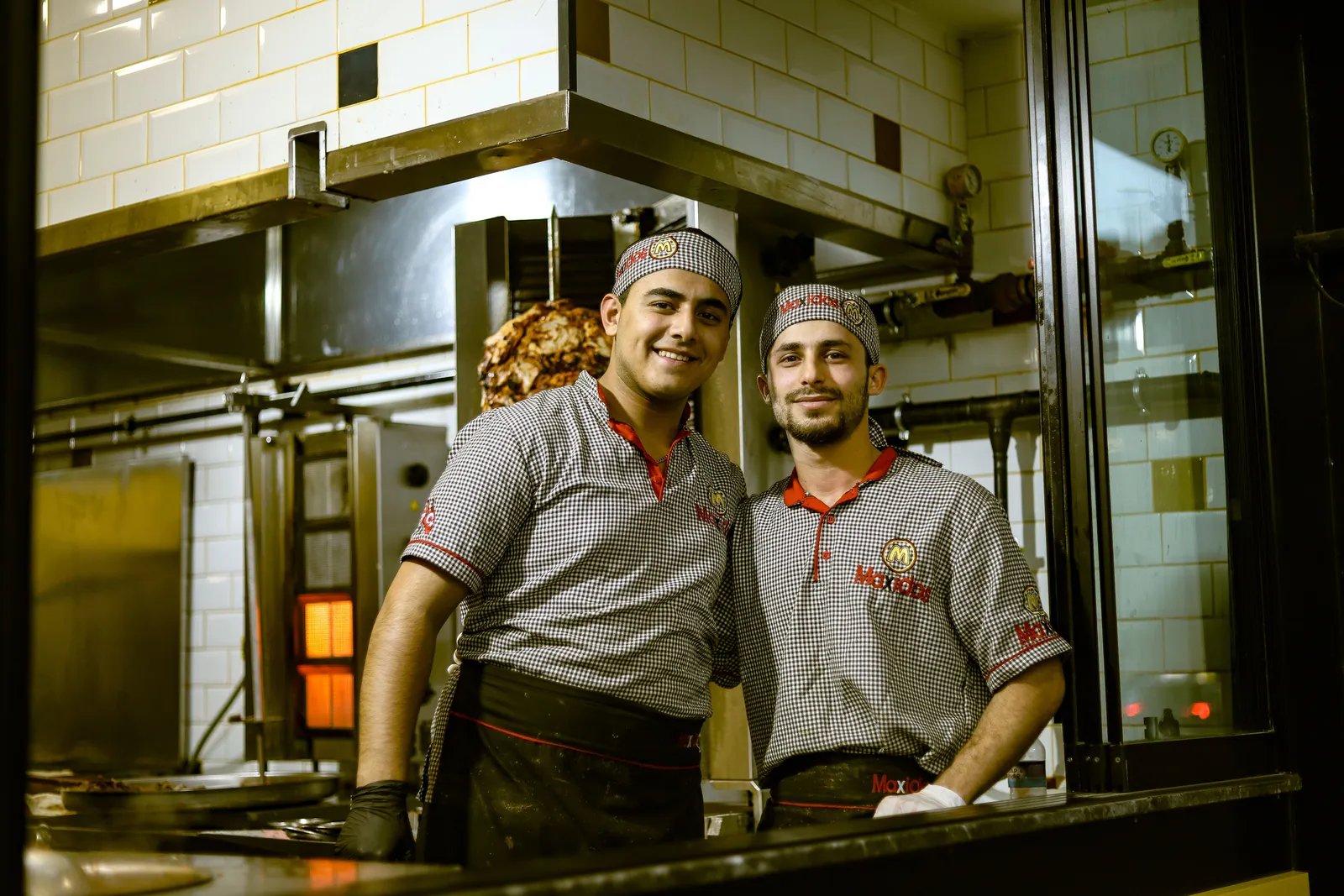
Every restaurant runs on three pieces of admin that nobody enjoys and nobody can skip: who is working, how many hours they actually worked and who is off. Most Calgary restaurants handle all three in a group chat and a spreadsheet. That works until somebody leaves, somebody disputes their hours, or a schedule change breaks a rule nobody remembered.
This is general information, not legal advice. Check the current rules on Alberta's employment standards pages. The minimum wage side is in the guide on minimum wage in Alberta, Saskatchewan and Manitoba.
What breaks does Alberta require for restaurant staff?
Under Alberta's employment standards, an employee working a shift of more than five hours is entitled to a break:
- Shifts over five and under ten hours: at least one 30-minute break, paid or unpaid.
- Shifts of ten hours or more: at least two 30-minute breaks.
- By agreement, each break can be taken as two periods of at least 15 minutes.
- If you and the employee do not agree a time, the first break comes within or just after the first five hours of the shift, at a time you choose.
The Code lets the rule give way in an emergency or other unforeseeable circumstances, where a collective agreement says otherwise, or where it is not reasonable for the employee to take a break.
In a busy kitchen, breaks get skipped when service runs long. Building them into the rota, rather than hoping they happen, is how you keep both the law and your team on side.
How much notice do you need to give for a shift change?
Section 17 of Alberta's Employment Standards Code says an employer must not require an employee to change from one shift to another without at least 24 hours' written notice and 8 hours of rest between shifts (a collective agreement can set different terms). A late-night close followed by an early open the next morning is exactly the pattern that breaks the rest rule. A schedule published in advance, where every change is recorded and visible, makes these rules much easier to follow, and it is your written record that notice was given.
What should a good rota do?
- One current version. Publish it where every person can see their own shifts. The most common weekly failure is somebody working from an old version replaced in the group chat.
- Show breaks on any shift longer than five hours.
- Show the gap between a close and the next open, so the rest rule is checked before the week starts.
- Show who holds food handler certification, because the Alberta rule can turn on who is on shift. The guide on food handler training in Calgary explains.
Why track actual hours, not just planned shifts?
The rota is what you planned. Timesheets are what happened. The gap between the two is where payroll arguments come from. A record of hours actually worked gives you an answer rather than a memory when somebody queries their pay, and when you need to show that breaks and rest periods were respected.
How should leave requests be handled?
A leave request should arrive somewhere you can answer it, not at midnight in a chat where it scrolls away. Approve or decline, and update the rota. Keep a record of who asked, when and what was decided. Nobody should approve their own leave except the owner; an approval somebody can grant themselves is not an approval at all.
What about contracts and documents?
The paperwork side is where restaurants are most exposed:
- Contracts issued from a template and signed, with the signed copy kept against the person
- A folder for certificates and work permits, and anything you are expected to produce
- Training records, showing who completed which course and when
The wording of your contracts is yours, and worth checking with a professional.
How do Calgary seasons affect scheduling?
Calgary's busy and quiet seasons swing hard. Stampede week and patio season need more people on more shifts, January needs fewer, and a Chinook weekend, when warm dry winds arrive east of the Rockies, can bring an unexpected rush. Plan the big weeks early, ask for availability well in advance and keep a short list of staff happy to pick up extra shifts. The guide on Stampede events covers staffing for the ten days.
How should shift swaps work?
Swaps keep a team flexible, but unmanaged swaps can leave a section short or push someone into overtime without anyone noticing.
- Staff propose swaps with a colleague who does the same job.
- A manager approves before the swap is final.
- The approval checks hours, so nobody goes into unplanned overtime or misses the rest they are owed.
- The rota updates for everyone.
Keep approved swaps on record alongside the rota. If a question about hours or pay comes up later, a written record answers it in seconds.
Where should you start?
With the rota, because it is the thing you rebuild every week. Put breaks and the close-to-open gap on it first. Timesheets follow naturally, leave comes next, and contracts and certificates come last, one person at a time as people join.
More from Calgary: Stampede events and tip pooling.
More in the Canadian guides for food businesses.
Questions
Common questions
What breaks are restaurant staff entitled to in Alberta?
At least one 30-minute paid or unpaid break for a shift of more than five and under ten hours, and at least two for a shift of ten hours or more, which can be split into two 15-minute periods by agreement. Check Alberta's current rules.
How much notice is needed to change a shift in Alberta?
The Employment Standards Code says at least 24 hours' written notice, with at least eight hours of rest between shifts, unless a collective agreement says otherwise.
Can managers approve their own leave?
Nobody should approve their own leave except the owner, so that every approval is a second person's decision.
Why track timesheets as well as the rota?
The rota is the plan and timesheets are what happened. A record of actual hours settles pay questions and shows breaks were taken.
Should restaurant staff be allowed to swap shifts?
Yes, with manager approval that checks hours and overtime, and with the updated rota shared with the team.
More like this
Read next
The Accessible BC Act and your restaurant website: what applies today and what to do anyway
British Columbia's Accessible BC Act applies mainly to public bodies for now. What that means for a private restaurant, why website accessibility still matters and a practical checklist.
AODA website rules for Ontario restaurants: who must meet WCAG 2.0 AA and what to fix first
Ontario's accessibility law requires larger private employers to make public websites meet WCAG 2.0 Level AA. Who is covered, what counts as your website, and a practical fix list for a restaurant.
Are Canadians eating out less in 2026, and what brings them back?
Restaurants Canada reports that most Canadians are cutting back on restaurant visits. What the survey says, why table-service businesses have reason to hope, and what independents can do about it.
Selling alcohol with takeout and delivery in BC: what the regulation lets a food primary licence do
Food primary and liquor primary licensees in BC can deliver and sell liquor in unopened containers with a meal. What the Liquor Control and Licensing Regulation says, and the Serving It Right rule.
Put your menu, your replies and your photos in front of diners
Claim your free listing and decide how your business looks to the people searching for a good dish near them.
Free to list: your menu, replies and photos.