
For businesses
Tip pooling in Calgary restaurants: what Alberta owners should know
Mosey · November 11, 2026 · 4 min read
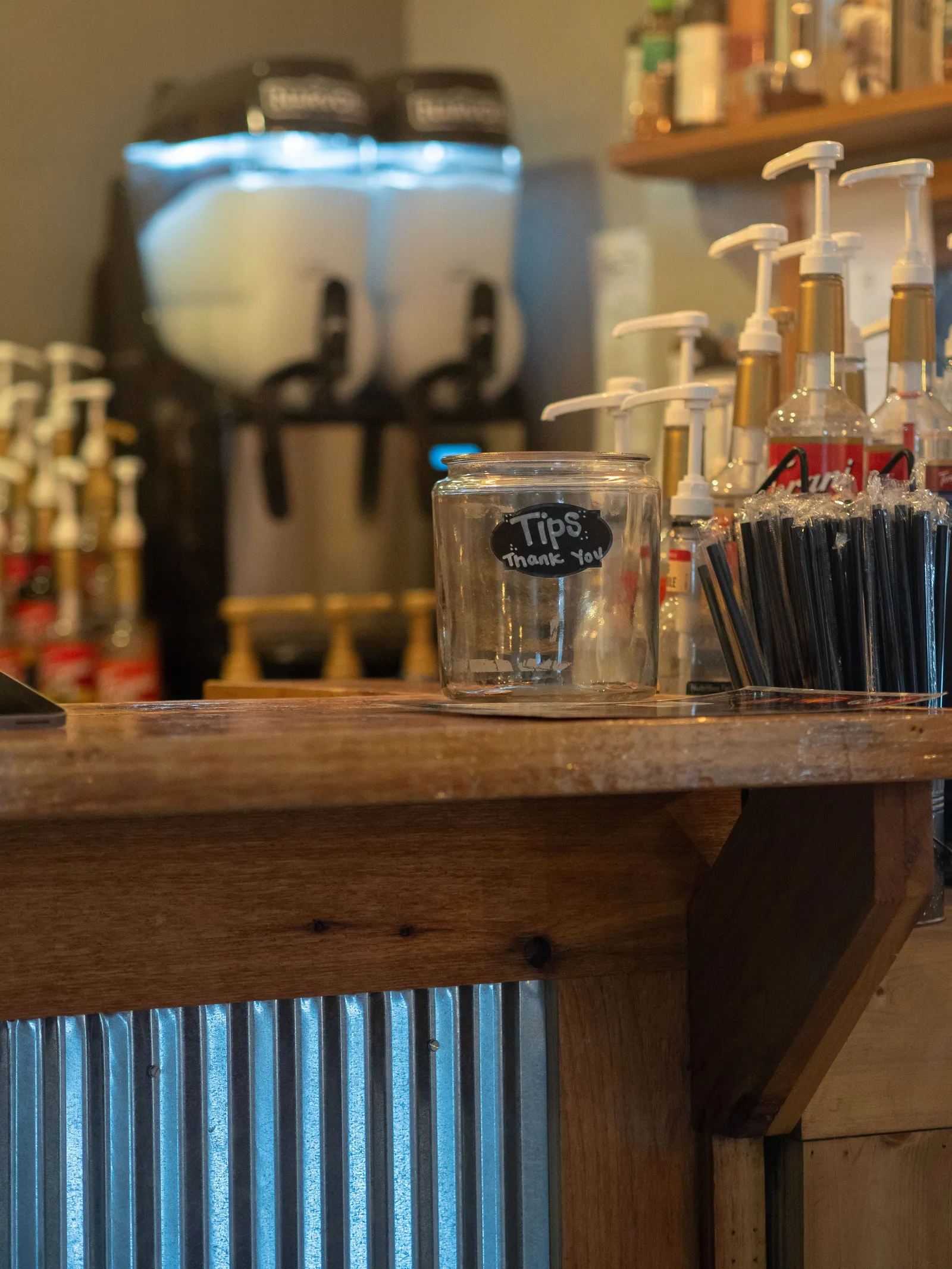
In a Calgary restaurant, tips are a large share of what servers, bartenders and often kitchen staff take home. How they are shared is one of the most sensitive questions an owner handles, and one of the most common reasons good staff leave. A clear, fair, written tip policy prevents most of the trouble.
This is general information, not legal advice. Tip rules can change, so check the current position for Alberta before you set or change a policy. For the federal and payroll side, see the guide on tips on payroll.
How are tips treated under Alberta employment rules?
Alberta's Employment Standards Code does not set out tip rules of the kind some other provinces have. The Code's definition of wages leaves tips and other gratuities out. A private member's bill, Bill 210, was introduced in the Alberta legislature in December 2024 to protect workers' tips, and the Legislative Assembly's bill status report records it as defeated on division at second reading on April 28, 2025. A second private member's bill, Bill 201 of 2025, which would also have protected tips, was defeated on November 17, 2025. As of the Assembly's report to November 5, 2026, no such law exists. Check alberta.ca for any later change before relying on this position. Whatever the provincial rule, tips are income for the people who receive them and must be reported for tax.
What is a tip pool?
A tip pool collects tips from a shift or a period and shares them among a defined group of staff according to an agreed formula. It recognizes that a good evening for a guest depends on the host, the server, the bartender, the line cooks, the dishwasher and everyone else, not just the person who carried the plate.
How do you design a fair tip pool?
A fair pool answers four questions clearly:
- Who is in the pool? Front of house only, or kitchen as well? Many Calgary restaurants now include the kitchen, which helps retain cooks.
- How is it divided? By hours worked, by role points or a mix.
- How often is it paid out? Each shift, weekly or with payroll.
- Do owners and managers take part? Many staff see owners taking from the pool as unfair. If a manager regularly works the floor as a server, decide and explain how that is handled.
| Method | How it works | Good for |
|---|---|---|
| By hours | Each person's share follows hours worked | Teams with similar roles |
| By points | Each role has a weighting, multiplied by hours | Mixed front and back of house |
| By shift | The pool is split among everyone on that shift | Small, stable teams |
Why should a tip policy be written down?
A written policy turns an argument into a reference. It tells new staff exactly how tips are shared before they start, shows existing staff that the rules are applied consistently and gives you something to point to when somebody questions a payout. Share it with every new hire and post it where staff can see it.
How should card tips be handled?
Most tips now arrive on cards rather than in cash. Record them accurately against each sale, so the total for each shift is clear and the pool is calculated from a real number. Decide how quickly card tips reach staff and say so in the policy. Long delays create mistrust even when every cent arrives.
How do tips affect hiring and retention?
Applicants ask about tips, and the honest answer helps you hire. A posting that explains the pool clearly, such as "kitchen and front of house share tips by hours worked", attracts people who value fairness and saves awkward conversations later. A pool that feels unfair is one of the fastest ways to lose experienced servers to the restaurant down the street.
How do you explain the tip pool to new staff?
On the first day, in writing and with an example. Show a sample shift: total tips, who worked, how many hours or points each person had and what each received. Abstract rules confuse people, while a worked example answers the questions they would otherwise ask a colleague, who may explain it wrong. Tell them where the policy is posted and who to ask if a payout looks off.
How often should tips be paid out?
Choose a schedule, write it down and stick to it.
- Set a fixed schedule, such as with each pay period.
- Show the calculation: the total pool, each person's hours or points and their share.
- Record every payout, with date, amount and recipient.
- Treat card tips consistently, and ask your payroll provider or accountant how they should be reported.
Most arguments about tips start with a payout nobody could explain. A clear record, shared openly, prevents them. Review the policy once or twice a year, especially when your team changes or the rules change, and make small adjustments openly rather than announcing a sudden change on payday.
More from Calgary: Stampede events and Stampede deposits.
More in the Canadian guides for food businesses.
Questions
Common questions
Are tips considered wages in Alberta?
Alberta's Employment Standards Code does not set out tip rules. Private members' bills proposing tip protections were defeated in April 2025 and November 2025, so check alberta.ca for the current position.
What is a restaurant tip pool?
An arrangement that collects tips and shares them among a defined group of staff according to an agreed formula.
Should kitchen staff share in restaurant tips?
Many Calgary restaurants include the kitchen in the pool, which can help keep cooks. Whatever you decide, write it down.
Why write down a tip policy?
It explains the rules to new staff, shows they are applied consistently and settles disputes.
How often should a restaurant pay out tips?
Set a fixed schedule, such as each pay period, show staff how their share was calculated and record every payout.
More like this
Read next
The Accessible BC Act and your restaurant website: what applies today and what to do anyway
British Columbia's Accessible BC Act applies mainly to public bodies for now. What that means for a private restaurant, why website accessibility still matters and a practical checklist.
AODA website rules for Ontario restaurants: who must meet WCAG 2.0 AA and what to fix first
Ontario's accessibility law requires larger private employers to make public websites meet WCAG 2.0 Level AA. Who is covered, what counts as your website, and a practical fix list for a restaurant.
Are Canadians eating out less in 2026, and what brings them back?
Restaurants Canada reports that most Canadians are cutting back on restaurant visits. What the survey says, why table-service businesses have reason to hope, and what independents can do about it.
Selling alcohol with takeout and delivery in BC: what the regulation lets a food primary licence do
Food primary and liquor primary licensees in BC can deliver and sell liquor in unopened containers with a meal. What the Liquor Control and Licensing Regulation says, and the Serving It Right rule.
Put your menu, your replies and your photos in front of diners
Claim your free listing and decide how your business looks to the people searching for a good dish near them.
Free to list: your menu, replies and photos.