
City guide
Where to eat in the White Mountains: before and after a hike (2026)
Mosey · November 11, 2026 · 5 min read
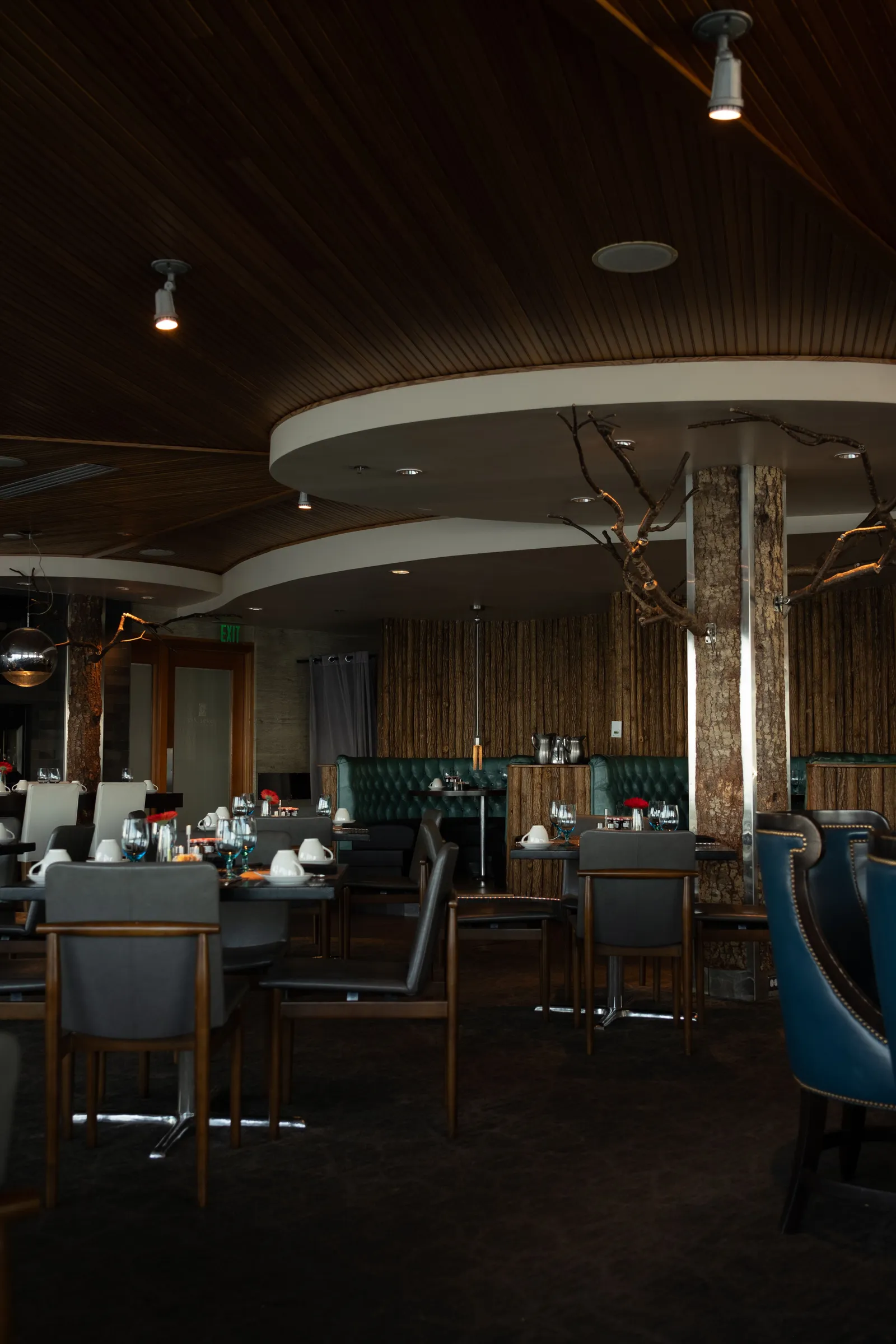
The White Mountains are the northern heart of New Hampshire, a National Forest of ridges, notches and trails with small towns at their edges: North Conway at the east, Lincoln and Woodstock on the Interstate 93 corridor, and Littleton to the northwest. People come to hike, ski, drive and look at leaves, and they eat on a timetable set by the mountains. Eat big in the morning, pack lunch and book an early dinner.
How do you plan meals around a hike?
Hikers start early and finish before dark, so the useful meals are a big breakfast, a packed lunch and an early dinner. The sequence works like this:
- Breakfast before 8 a.m. Diners and bakeries in the main towns open early, and a plate of eggs, potatoes and toast or a breakfast sandwich sets you up for a day of climbing.
- Packed lunch. Buy sandwiches, fruit and snacks from a deli or bakery the evening before or on the way. There are no restaurants on most trails, and mountain huts have limited food for day hikers.
- Early dinner. After a long hike, restaurants fill between 5:30 and 7, so go slightly earlier or later, or put your name down first and shower while you wait.
Carry water and layers, and check weather forecasts, since conditions on the summits can change quickly.
What does Littleton offer?
Littleton, on the Ammonoosuc River, has a Main Street made for strolling, with a diner, a coffee and breakfast restaurant, a bakery for donuts and coffee, a tavern with comfort food, and a brewery serving wood-fired pizza and burgers. Littleton is a good base for hikers because it has more year-round businesses than the tourist-heavy towns to the south. Hours vary, and some places close one or two days a week.
What about North Conway, Lincoln and Woodstock?
North Conway is the shopping and dining hub of the eastern White Mountains, with a long main street of restaurants, breweries, bakeries and outlet shops. Lincoln and neighboring Woodstock serve the Interstate 93 corridor and the Kancamagus Highway, with a mix of family restaurants, pubs and breweries. These towns are the most crowded in foliage season, ski season and summer weekends. Foliage reaches the valley towns a little after the high country. In peak season, book dinner ahead.
Where do you buy provisions?
Delis, bakeries and general stores in each town sell sandwiches, baked goods, trail snacks and coffee. A farmers market runs in several towns through the summer and early fall, and farm stands along the roads sell fruit, cider, cheese and maple products. A local market is a better choice than a chain for a picnic, and the staff can suggest a picnic spot.
What is the beer and pub scene like?
The area has a strong brewery culture. Taprooms and brewpubs are a standard way to finish a hike, with pizza, burgers, pretzels and flights of local beer. Many are family-friendly until early evening. Drink responsibly and plan a designated driver on winding mountain roads.
How do you eat when it is cold or wet?
Mountain weather is changeable, and a warm room is part of the pleasure. After a cold day, look for a fireplace, a wood-fired oven or a soup on the menu. New England pubs serve chowder, stew, pot pie, shepherd's pie and hot cider, all designed for people coming in from the cold. If your boots are wet, a restaurant with a mudroom or a covered porch is a kindness to other diners. In winter, ski towns stay open late and the lodges around the ski areas serve hearty food, so plan around the lift schedule.
On a clear day in summer, outdoor decks with mountain views are the thing. Picnic tables beside a river or a brewery patio let you eat in boots and shorts without worry.
When do places close?
Seasonal hours are the main issue. Some restaurants close on Mondays or Tuesdays, many shorten hours in the shoulder seasons of April and November, and a few close entirely. Ski towns gear up from December. If you plan a trip in the shoulder months, call ahead for a list of what is open.
What does it cost?
Mountain towns are priced for tourists, with higher prices in peak seasons. New Hampshire has no general sales tax, but a meals and rooms tax of 8.5 percent applies to restaurant meals and alcohol and is added to the check. Tip on the pre-tax total: 18 to 20 percent for table service. Lodging is also subject to the tax.
Is it good for dietary needs?
Most restaurants can offer vegetarian options, and gluten-free menus are common. Because many kitchens are small, tell the server about allergies at the start, and ask how the dish is made. If you have a serious allergy, bring a safe snack for the trail.
What should you know about safety and distance?
Services are far apart. Fill the tank, carry water, and check mountain weather. Cell coverage is patchy in the notches. If you finish a hike late, the nearest open restaurant may be 30 minutes away, so identify one in advance and call ahead to see when the kitchen closes.
How do you keep track of where to eat after a hike?
Tired legs make poor memories, so write the meal down while you are still at the table. In the Mosey app, rate the breakfast, the brewery pizza or the chowder by the dish, add a tag such as Breakfast or Craft Beer, and keep your places in a list for Littleton, North Conway and Lincoln. Share it with the friends who hike with you, and they can add the diner that opens at dawn. Follow friends who climb the same peaks and see where they refuel.
Rate your post-hike meal in the Mosey app and put the best of the mountain towns in one list.
More guides to read next:
- New Hampshire Lakes Region and White Mountains: where and when to eat
- New Hampshire apple picking and cider donuts: an orchard guide
- New Hampshire fall foliage season: where to eat and how to book
More in the US food guides and the ranked lists of places.
Questions
Common questions
Where is the best place to eat in the White Mountains?
Littleton has a walkable Main Street with a diner, a brewery and cafes. North Conway and Lincoln have the largest range.
What time do White Mountain restaurants close?
Many kitchens close by 8 or 9 p.m., earlier in the off-season. Check, especially after a late hike.
Can you buy food for a hike in the White Mountains?
Yes. Delis, bakeries and general stores in each town sell sandwiches and snacks. Buy before you reach the trailhead.
Are White Mountains restaurants busy in foliage season?
Yes. Book early or choose off-peak hours and weekdays.
Is there sales tax at New Hampshire restaurants?
No general sales tax, but an 8.5 percent meals and rooms tax is added to restaurant checks.
Do White Mountain restaurants close in winter?
Some do, but ski towns stay open. Check hours in April and November.
More like this
Read next
Food Worth a Drive in Alabama: Barbecue to the Gulf
Food worth a drive in Alabama, from white sauce chicken in Decatur to ribs in Tuscaloosa and Gulf oysters in Mobile, with three routes and tips for each stop.
Food Worth a Drive in Alaska: Seward Highway and Homer
A guide to food worth a drive in Alaska: Anchorage restaurants, Girdwood on the Seward Highway, fresh fish in Homer and where to stop in Seward.
Capital Region food: Albany, Troy and Saratoga Springs
A guide to eating around Albany, Troy and Saratoga Springs: the Troy waterfront farmers market, Saratoga race-season reservations, Albany neighborhoods and how far ahead to book.
Alberta Arts District food guide: where to eat on NE Alberta Street
A guide to eating on Northeast Alberta Street in Portland: brunch, taquerias, ice cream, the Last Thursday street fair, and how to plan a visit around the weather and the crowds.
