
How to
Where Do Locals Eat? How to Tell
Mosey · November 11, 2026 · 5 min read
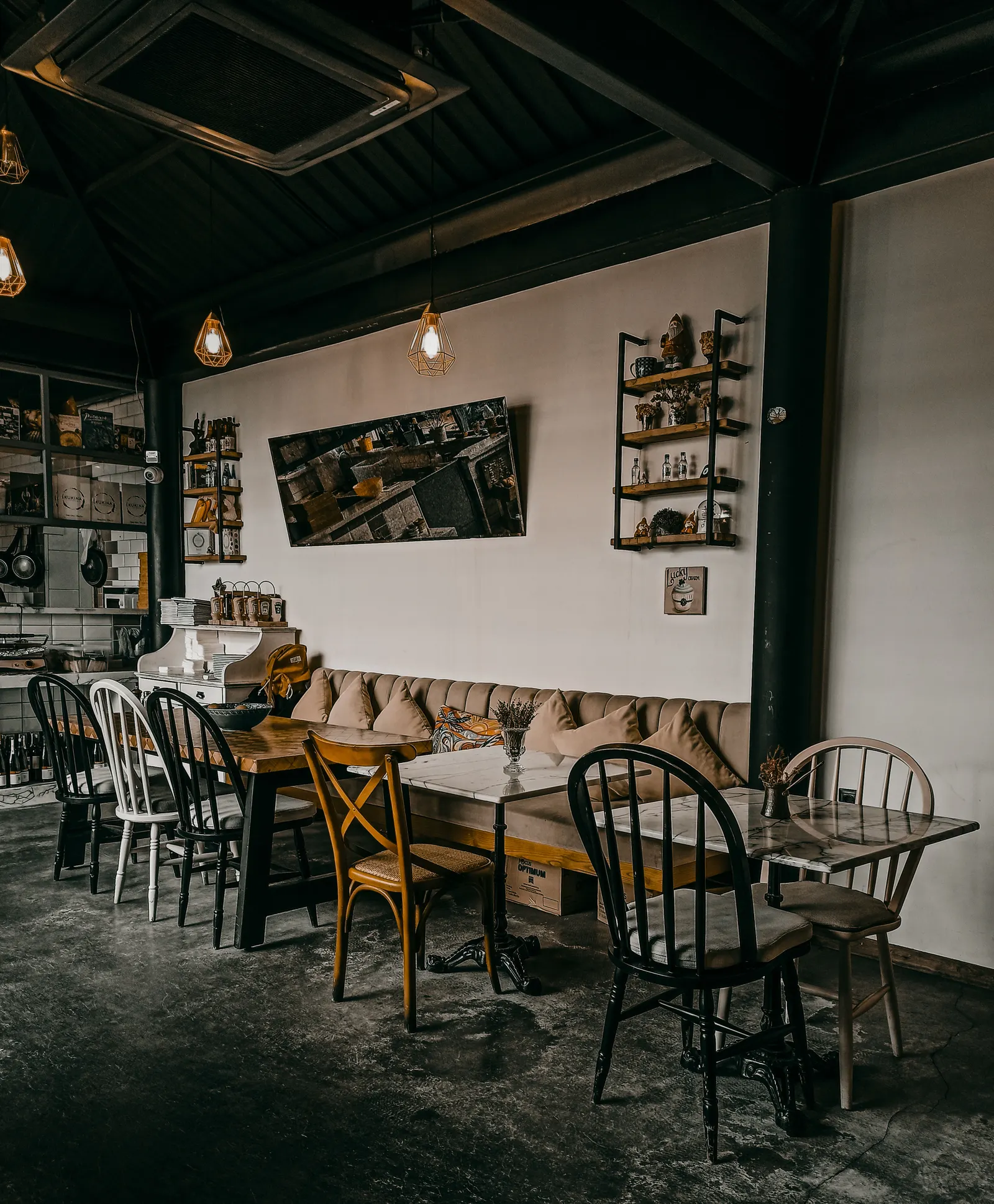
Locals eat where the room is full on a Tuesday, the menu is short and nobody is holding a map. To answer where do locals eat in any American town, watch the lunch rush, read who is at the counter and then check your hunch against ratings from people who rate a lot of places.
A local favorite is a habit, not a headline. It is the diner a mechanic uses every morning, the counter near the hospital, the bakery that sells out by ten. Those places rarely chase attention, so you have to learn to read the signs.
What does a locals' restaurant look like from the street?
Start outside. Work trucks, scrubs, school lanyards and office badges in the lunch line mean the kitchen has to be good enough to survive repeat visits. A handwritten board, a short menu and a counter where staff greet people by name point the same way.
Be wary of the reverse: a laminated menu with photographs of every dish, a person outside waving you in and a wall of stickers that say how many awards the place won. None of that proves a place is bad, but it suggests the room is built for people who will never return.
How do you find restaurants locals actually go to?
Ask a better question than "where should I eat?" Ask a barber where they get lunch on a short break, ask a nurse where the night shift eats, ask a hardware store clerk what they pick up on the way home. Specific jobs get specific answers.
Then compare answers. One recommendation is a story, but two or three people who never met naming the same corner is a pattern. Write the names down before you forget, and note the dish each person mentioned, because the dish is the reason they go back.
Where do locals eat in a college town?
College town food splits in two. Around the quad you will find cheap, fast places designed for students with a late-night schedule. A few blocks off campus, where faculty, hospital staff and long-time residents live, the pace changes: sit-down lunches, family-run kitchens, a bakery with a Saturday line.
Walk both zones. The students' favorites tell you what is cheap and open late. The residents' favorites tell you where the town celebrates a birthday.
What about highway exit food?
Highway exit food is built for strangers, so the busiest sign is rarely the best meal. Drive one more mile into town. County seats usually have a main street with a courthouse, a bank and a cafe that fills at breakfast with people who work nearby.
Check the parking lot, not the billboard. Pickup trucks, delivery vans and a few dusty sedans at 11:30 are a better review than any sign over the road. Browse more in the US guides, or open the road trip guide for the stretch between towns.
Are hidden gem restaurants real, or just a label?
Hidden gem restaurants exist, but the phrase is a judgment, and judgments vary. A place can be a secret to a visitor and an everyday stop for the street it sits on. Treat the label as a prompt to look closer, not a promise.
On Mosey, Hidden Gem is a tag a person adds to their own rating, so it reflects one diner's view. Two people using it for the same place is a stronger hint than one. Read the dish they named and the words they chose before you make the trip.
How can ratings back up what you saw?
A street-level hunch is stronger with data, but only the right data. A place with a thousand ratings from people who ate once tells you less than a place rated by someone who has tried dozens of similar kitchens. That is why Mosey marks a badge holder: someone who has rated five or more different places of the same kind, such as pizza or Italian. Their ratings carry a badge beside their name, so a stranger's opinion has a little context.
When you open a place in the app, the ratings read as individual voices, with dishes named, tags added and a note in the person's own words. A rating that says which dish was good is more useful than five stars alone, and a tag such as Hidden Gem is the rater's own call, not a claim from Mosey.
How does following people help you eat like a local?
The surest shortcut is a person whose taste you trust. In the app you can search for people by name or @handle and follow them. Home then shows This week with friends, where each line reads like "rated it" or "saved it" next to a name you chose. On the map, the Friends' picks layer shows places the people you follow rated or saved.
Nothing here promises that your friends live near the place you are visiting. It only shows what the people you follow have rated or saved, wherever they happen to eat. Follow a cousin in Ohio and you may still pick up a dish worth ordering in Oregon.
How do you keep the good places you spot?
Make a note as soon as you leave. Name the dish, the street and the reason. After a week in a new town you will have the beginning of a short, honest guide, which is far more valuable than any list of the town's most famous restaurants. The guide to finding good food in a new city builds a longer method around the same habit, and the tourist trap guide covers the warning signs.
Mosey is free for a place to list, with no hidden fees and affordable tools, so a rating for the lunch counter you love costs you nothing and helps your neighbors find it. Supporting local starts with telling the next person what to order.
Related reading: The guide to trending dishes shows how to read the Dishes page in its own guide.
Next time you are somewhere new, get the Mosey app, rate the dish that made you come back and follow a few people whose taste you trust.
Questions
Common questions
How can I tell if a restaurant is a local favorite?
Look for a full room on a weekday, work clothes in the lunch line, a short menu and staff who greet regulars by name. Then ask two or three people in different jobs where they eat. When their answers overlap, you have a pattern.
Is a long line always a sign that locals eat there?
Not always. A line of tourists with maps and shopping bags looks different from a line of workers on a lunch break. Check who is waiting, how quickly the line moves and whether the menu is short and focused on a few dishes.
Where do locals eat when a town has a university?
Students favor cheap, fast places near campus, while residents and faculty often eat a few blocks away at family-run kitchens and bakeries. Walk both areas, then compare which dishes people mention most often in each.
What's an easy way to keep track of the places locals send me to?
Mosey is a food app for finding good places through people you trust and for rating the dishes you eat. Build a list and share it with friends, follow people to see what they rate, and add tags such as Hidden Gem to each rating.
What is a badge holder?
A badge holder is someone who has rated five or more different places of the same kind, such as pizza or Italian. Their ratings carry a badge beside their name, which gives you a little context about how widely they have eaten.
More like this
Read next
A 48 Hour Food Weekend Plan With a Shared List
Plan a 48 hour food weekend in any town with one shared list: sections for each meal, notes from everyone, ratings as you go and a list to keep afterward.
Anna Maria Island Restaurants: Pier, Beach and Sunset
Anna Maria Island restaurants range from a fishing pier to a toes-in-the-sand sunset spot. Meet four places and plan a day from breakfast to dinner.
Eating out in Arizona: summer heat, winter visitors and spring training
Arizona restaurants run on two seasons. How to eat out in 110 degree summers, when winter and spring training crowds make reservations essential, and how to time patios, misters and late dinners.
Armenian and Middle Eastern Food in Fresno
Armenian and Middle Eastern food in Fresno means shish kebab, lamb chops and chicken shawarma wraps. Dishes to look for and how to compare them.
