
City guide
West End and Sweet Auburn food guide: Atlanta's historic districts
Mosey · November 11, 2026 · 5 min read
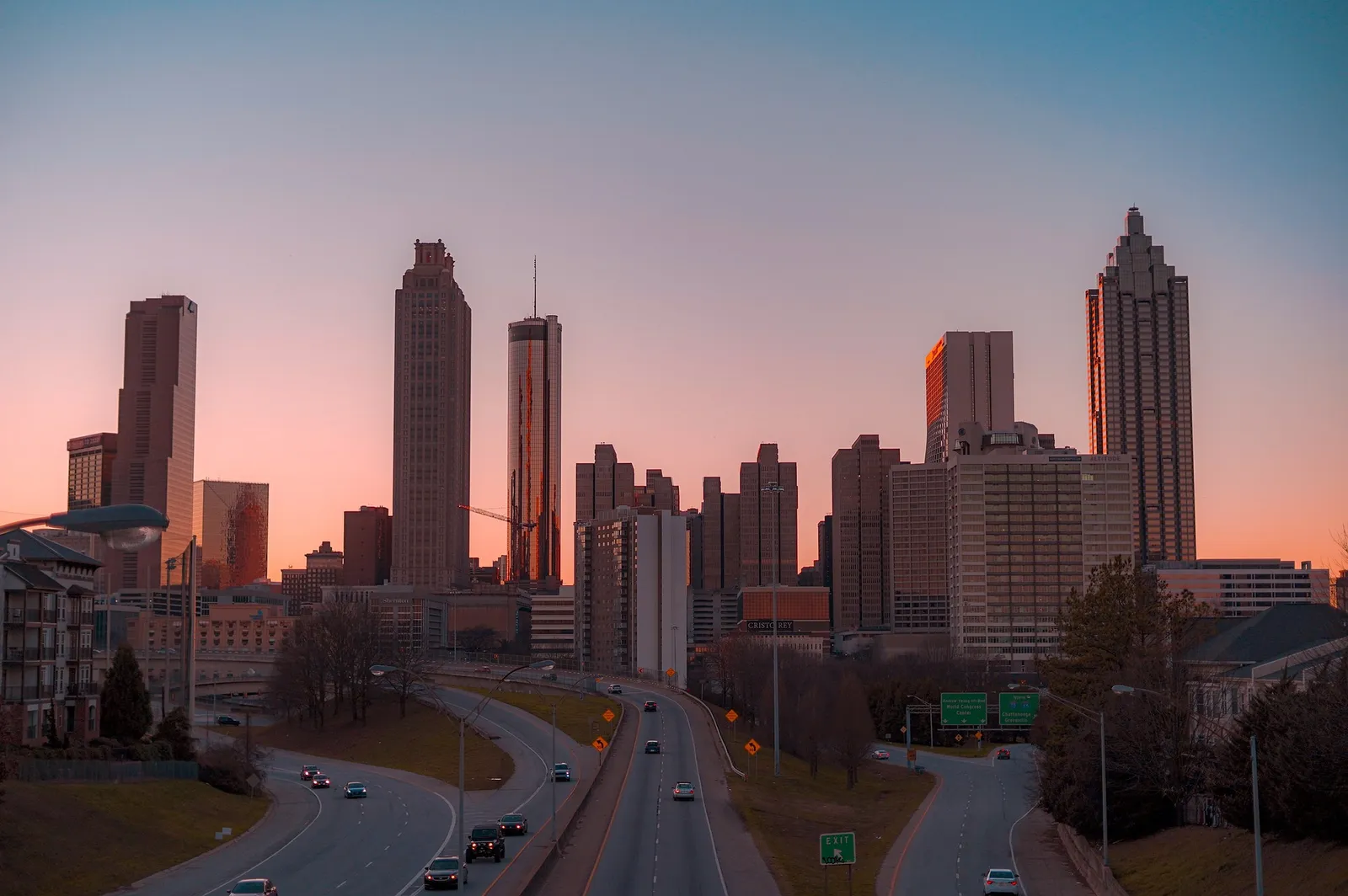
West End and Sweet Auburn are two of Atlanta's oldest Black neighborhoods, and they shaped the city's politics, business and food. A visit is a chance to eat Southern food in places with deep local roots and to learn the history around you. Here is what each neighborhood offers, what to eat, how to find current restaurants and how to be a good guest.
What is Sweet Auburn?
Sweet Auburn is the historic Black business and cultural district centered on Auburn Avenue, east of downtown. In the early twentieth century it was a center of Black-owned banks, insurance companies, newspapers and churches, and it is the birthplace neighborhood of Dr. Martin Luther King Jr. Today the area includes the national historic park that preserves his birth home and church. Restaurants and food stalls here sit among museums and churches, so plan a meal around a visit. Hours may be shorter on Sundays, when churches hold services.
What is the Sweet Auburn Curb Market?
The Sweet Auburn Curb Market, officially the Municipal Market of Atlanta, began after the Great Fire of 1917 as a farmers market, and its brick building opened on May 1, 1924. The city owns the building. Its nickname comes from segregation, when Black vendors were required to trade from the curb. The market now holds produce stands, butchers, bakers, flower sellers and lunch counters serving Southern and international food. It is a good place for breakfast or lunch on a weekday or Saturday, and a way to see the neighborhood's history as a working market.
What is West End like?
West End, southwest of downtown, is one of the city's oldest neighborhoods, with Victorian houses, a historic district and the campuses of several Black colleges and universities nearby. It has a long tradition of Black-owned businesses, and its main streets, Ralph David Abernathy Boulevard and Peters Street, are lined with small restaurants, bakeries and shops. A newer food hall in a converted warehouse and a few breweries have joined older institutions. The neighborhood is changing, so check which places are open.
What Southern dishes should you look for?
Both neighborhoods are good places for soul food and Southern cooking: fried chicken, smothered pork chops, oxtails, collard greens, candied yams, macaroni and cheese, cornbread, peach cobbler, banana pudding and sweet tea. Fried fish with grits is a classic breakfast or lunch. Many restaurants serve a daily special, and Sunday dinner is a tradition, with after-church crowds. The plates are generous, so consider sharing, and ask the server what the cook is known for.
Soul food grew out of the cooking of enslaved and then free Black Southerners, who turned the ingredients available to them, such as greens, beans, pork, corn and sweet potatoes, into a rich cuisine. Many dishes carry stories of family and church. If a cook or owner is willing to talk, ask about the recipes. Respect the place, order a full plate, and take your time, since many of these restaurants are community gathering places as well as eateries.
How do you find current places?
Use a dated local list, such as the city magazine, the Black-owned business directories published by local organizations and neighborhood newsletters. Check the restaurant's own page or call, because hours vary widely and many close on Sunday evenings or Mondays. A church bulletin board, a barber shop or the staff at a museum can point you toward places that locals eat. Treat lists older than a year with care.
How do you be a good guest?
Come to learn and to eat. Read signs and respect posted rules at historic sites and churches. Ask before taking photographs of people. Tip as you would anywhere, 18 to 20 percent of the pre-tax amount for table service, and consider buying from small, independent businesses rather than chains. If you take a walking tour, choose one led by a resident or a local organization.
Treat these neighborhoods as living communities rather than a theme park. Do not block driveways when you park, and keep your voice down near churches. Ask permission before photographing storefronts with people in them. If you buy souvenirs, choose items made locally, and when you eat, remember that many of the businesses operate on thin margins, so a visit helps. After your trip, a kind review that describes your meal and the staff is more useful than a star rating alone.
When is the best time to go, and how do you get there?
Weekday lunches are easiest, and Saturdays are busy with visitors to the historic sites. Sunday after church is a busy time for Southern restaurants. Events such as the King holiday in January and festivals along Auburn Avenue bring crowds and road closures, so check the calendar before you travel. Heat in summer is strong, so plan indoor stops.
Sweet Auburn is on the Atlanta Streetcar line and near MARTA stations, and the streetcar connects downtown destinations. West End has its own MARTA station. Parking is available in lots and on streets, with rules posted. Rideshare is simple. Walking between sites is possible but the distances are longer than they look on a map.
What about children, allergies and dietary needs?
Families are welcome. The history sites are suited to older children. For allergies, tell the cook, since many Southern dishes use butter, eggs, flour, nuts and shellfish. Vegetarian choices include vegetable plates, though greens and beans are often cooked with pork, so ask.
How do you share what you eat in Atlanta's historic neighborhoods?
A plate of smothered pork chops or a slice of peach cobbler in these neighborhoods carries a story, and the dish deserves a better note than a star. Mosey is a food app for finding, rating and sharing places to eat, and it rates by the dish, so you can rate what you ate and tag it with what the cook told you about it.
Start a list for Sweet Auburn and West End, share the invite link with the people who visited with you, and follow friends who know the neighborhoods well. Rating the dish, not the room, sends attention to the cooking.
Rate the plate you would order again in the Mosey app.
More guides to read next:
- Buford Highway: Atlanta's International Corridor food guide
- Atlanta's east side food guide: East Atlanta Village, Edgewood, Kirkwood
- Atlanta farmers markets: Sweet Auburn Curb Market, Freedom and Forest Park
More in the US food guides and the ranked lists of places.
Questions
Common questions
What is Sweet Auburn?
It is Atlanta's historic Black business and cultural district on Auburn Avenue, the birthplace neighborhood of Dr. Martin Luther King Jr.
What is the Sweet Auburn Curb Market?
It is the city-owned Municipal Market of Atlanta, in a building that opened in 1924, with produce, meat, baked goods and lunch counters.
What food is West End known for?
Southern and soul food such as fried chicken, smothered pork chops, collards and peach cobbler, as well as bakeries and newer food halls.
Are restaurants open on Sundays here?
Many Southern restaurants are busy after church, and others close. Check hours before you go.
How do I get to Sweet Auburn without a car?
The Atlanta Streetcar and nearby MARTA stations serve the area, and rideshare is easy. Check current routes.
More like this
Read next
Buford Highway: Atlanta's International Corridor food guide
Buford Highway north of Atlanta is a long strip of shopping plazas where Korean, Chinese, Mexican, Salvadoran and Vietnamese kitchens share parking lots. How to explore it, what to order and what to bring.
Atlanta farmers markets: Sweet Auburn Curb Market, Freedom and Forest Park
Where to buy local food in Atlanta: the Sweet Auburn Curb Market downtown, the Saturday Freedom Farmers Market and the state farmers market in Forest Park.
Atlanta food halls and markets: Ponce City, Krog Street and Sweet Auburn
A guide to Atlanta's food halls and historic markets: Ponce City Market, Krog Street Market, Sweet Auburn Curb Market and DeKalb Farmers Market, and how to use each.
Atlanta Food Halls: A Guide to the Big Three
Atlanta food halls explained: Ponce City Market, Krog Street Market and Chattahoochee Food Works, how they differ, what to eat and how to plan a visit.
