
How to
Vegan and Gluten-Free Places in New York: Using Tags
Mosey · November 11, 2026 · 5 min read
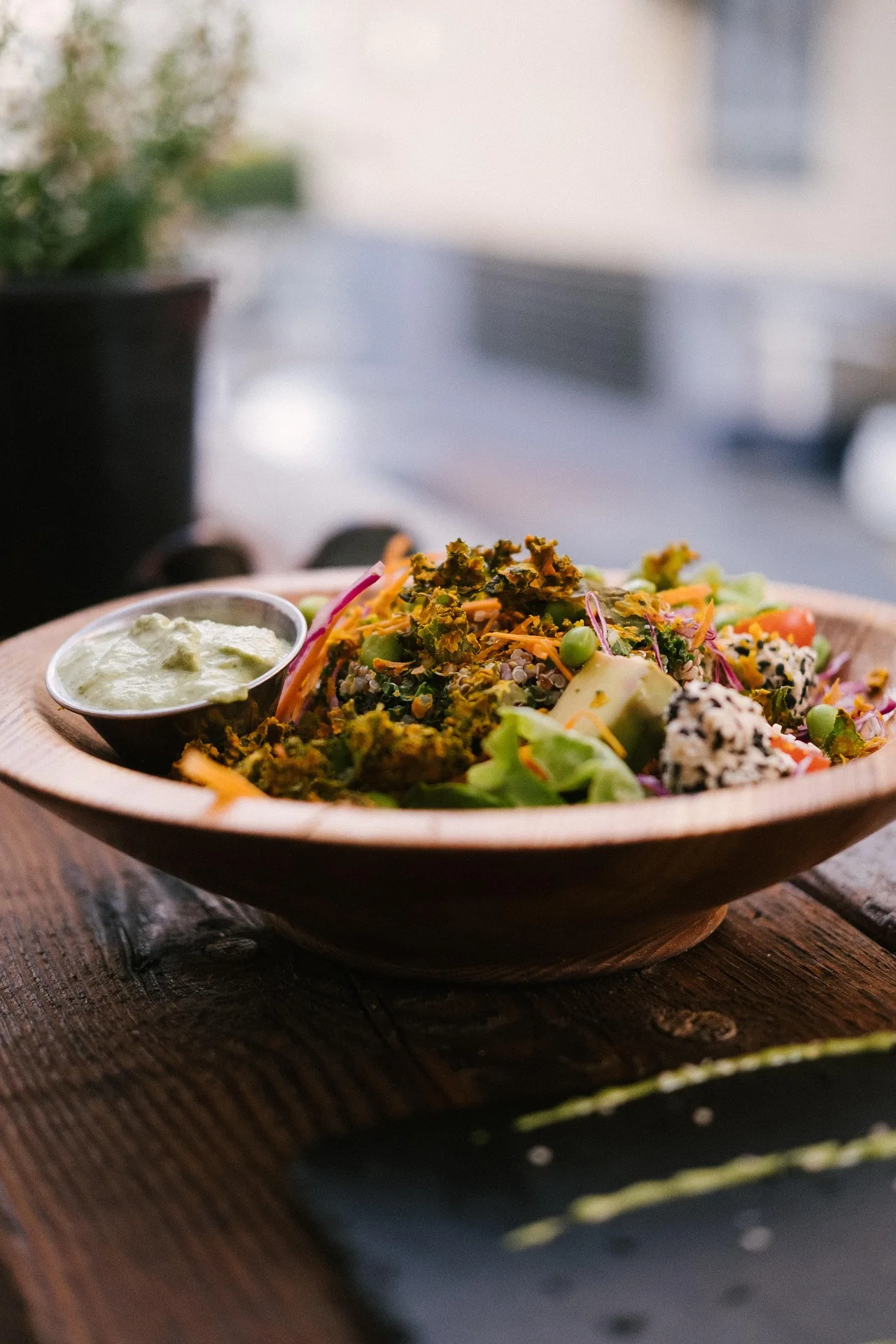
Vegan and gluten-free places in New York are easiest to find through dietary tags added by people who ate there. The Mosey app offers Vegan, Vegetarian, Gluten-Free, Dairy-Free, Nut-Free, Halal, Kosher and Allergen-Friendly tags. A tag is a clue from one diner, not a promise from the kitchen, so always ask about allergies.
It belongs to the New York State food guide for every town, and the US food guides cover the wider picture.
Which dietary tags does the app have?
Vegan, Vegetarian, Gluten-Free, Dairy-Free, Nut-Free, Halal, Kosher and Allergen-Friendly all exist as tags. When you rate a place you can add the ones that fit. The app says tags earn badges and help people find this place, which is the design: the diner who ate there says what they found.
How do you look for vegan and gluten-free places in New York?
It is a clue from someone who ate there. A person who ordered a plant-based meal and was well fed can add the tag, and the next person who is searching for a plant-based dinner has a place to start. The tag does not say everything on the menu is vegan, and it does not say the place has been checked by anyone. It says one rater had a good time. Over months, several raters adding the same tag to the same place make a stronger lead than one, though the app shows no count for any named place here, and nothing replaces a short conversation with the staff.
What does the Gluten-Free tag mean?
The same: it records a diner's experience. It is not a promise that a kitchen is free of gluten, and the Find sheet has no way to filter places by allergen. If you have celiac disease or a serious allergy, treat any tag as a lead, then ask the kitchen about ingredients, shared fryers and preparation, and trust the answer you get at the counter.
What can vegetarian places in New York offer?
A broader field, since many cuisines lean on vegetables, beans and dairy. Add the Vegetarian tag when a place offered a real choice, not a single side dish. Add dishes to the rating, because a dish name such as a saag or a falafel plate helps the next reader more than a general comment. A mixed group, where one person is vegetarian and the others are not, is the case where a good vegetarian choice matters most, and a note that the whole table was happy is worth writing.
Should you ask the kitchen about allergies?
Yes, every time, and politely. Say what you cannot eat, ask what is in a dish and whether the same equipment is used for others, and thank anyone who takes the question seriously. A kitchen that welcomes the question is a good sign. Tell the server rather than relying on a note typed into a form, since a conversation catches more. Mention cross-contact if it matters to you, because many people hear only the word allergy and miss the shared fryer. If an answer seems vague, order something simpler or choose another place.
How do you tag after a meal?
Rate the place and stars, then add the tags that fit. If the staff were knowledgeable, say so in a sentence. If something went wrong, add no tag and say what happened in plain words. Avoid naming anyone and avoid medical claims. Your goal is to help the next person decide whether to call ahead, and a rating that says the staff were happy to explain the menu does that well.
Can badges help with diet?
Yes. Rating places with a dietary tag builds a badge for that tag, starting at five different places. A badge holder's ratings carry the badge beside their name, so a reader can tell that they have eaten widely in the category. It still does not make a tag a guarantee.
How do you keep a diet-friendly list?
Make a list of the places that worked for you, with a note on what to order and who to ask. Share it with friends who eat the same way. You can keep it private or let others follow it. Our guides show how lists work for different needs, such as the Brooklyn family-friendly guide and the Brooklyn food halls guide.
If you cook for someone with a restriction, you already know how much a kind, specific answer from a kitchen is worth. Pass that on in your notes: name the dish that worked, and say what the server told you about how it was made, so the next person can ask the same question with confidence.
A closing word on patience. Dietary tags grow slowly, one honest rating at a time, and a place with no tags yet is not a place with no options. It is a place nobody has described. If you are the first to eat there and eat well, your rating is the start of the record, and the people who share your diet will thank you for it, even if they never say so.
How this works in the app: Rate places.
After your next good dinner in New York, open the Mosey app, rate it by dish with the tag that fits, and keep a list for whoever eats the way you do.
Questions
Common questions
Does the Gluten-Free tag mean a New York place is safe for celiac disease?
No. A Mosey tag records one diner's experience, so Gluten-Free is a lead and never a guarantee. Menus change, and a kitchen can share a fryer or a counter. If you have celiac disease or a serious allergy in New York, tell the staff what you cannot eat and trust their answer over any tag.
Is there an allergen filter in the Mosey app?
Not for places, by design. Dietary tags are notes people add when they rate a place; on menus and the Dishes page you can hide dishes whose place has listed an allergen, but only where the place has declared it. For any New York kitchen, ask about ingredients and shared equipment every time you eat out.
How can I keep track of vegan and gluten-free restaurants in New York?
Mosey is a food app for finding places to eat through people whose taste you trust, and for rating the ones you love by the dish. Rate each New York place with the dietary tag that fits, then keep a list of the ones that worked, with a note on what to order. Share the list with friends who eat the same way.
Which dietary tags can I add in Mosey?
The Mosey app offers Vegan, Vegetarian, Gluten-Free, Dairy-Free, Nut-Free, Halal, Kosher and Allergen-Friendly. You add the ones that fit when you rate a place in New York or anywhere else, and the tags help the next person find it. Tags also build badge progress, starting at five different places.
Should I add a dietary tag after a bad meal in New York?
No. Leave the tag off and say in a sentence what happened, in plain words and without naming staff. A Mosey tag should record a good experience, so the next diner with the same needs gets a useful clue. Honest notes about a poor meal help too, as long as they avoid medical claims.
More like this
Read next
A 48 Hour Food Weekend Plan With a Shared List
Plan a 48 hour food weekend in any town with one shared list: sections for each meal, notes from everyone, ratings as you go and a list to keep afterward.
Anna Maria Island Restaurants: Pier, Beach and Sunset
Anna Maria Island restaurants range from a fishing pier to a toes-in-the-sand sunset spot. Meet four places and plan a day from breakfast to dinner.
Eating out in Arizona: summer heat, winter visitors and spring training
Arizona restaurants run on two seasons. How to eat out in 110 degree summers, when winter and spring training crowds make reservations essential, and how to time patios, misters and late dinners.
Armenian and Middle Eastern Food in Fresno
Armenian and Middle Eastern food in Fresno means shish kebab, lamb chops and chicken shawarma wraps. Dishes to look for and how to compare them.
