
City guide
Tucson, UNESCO City of Gastronomy: what to eat and why it counts
Mosey · November 11, 2026 · 5 min read
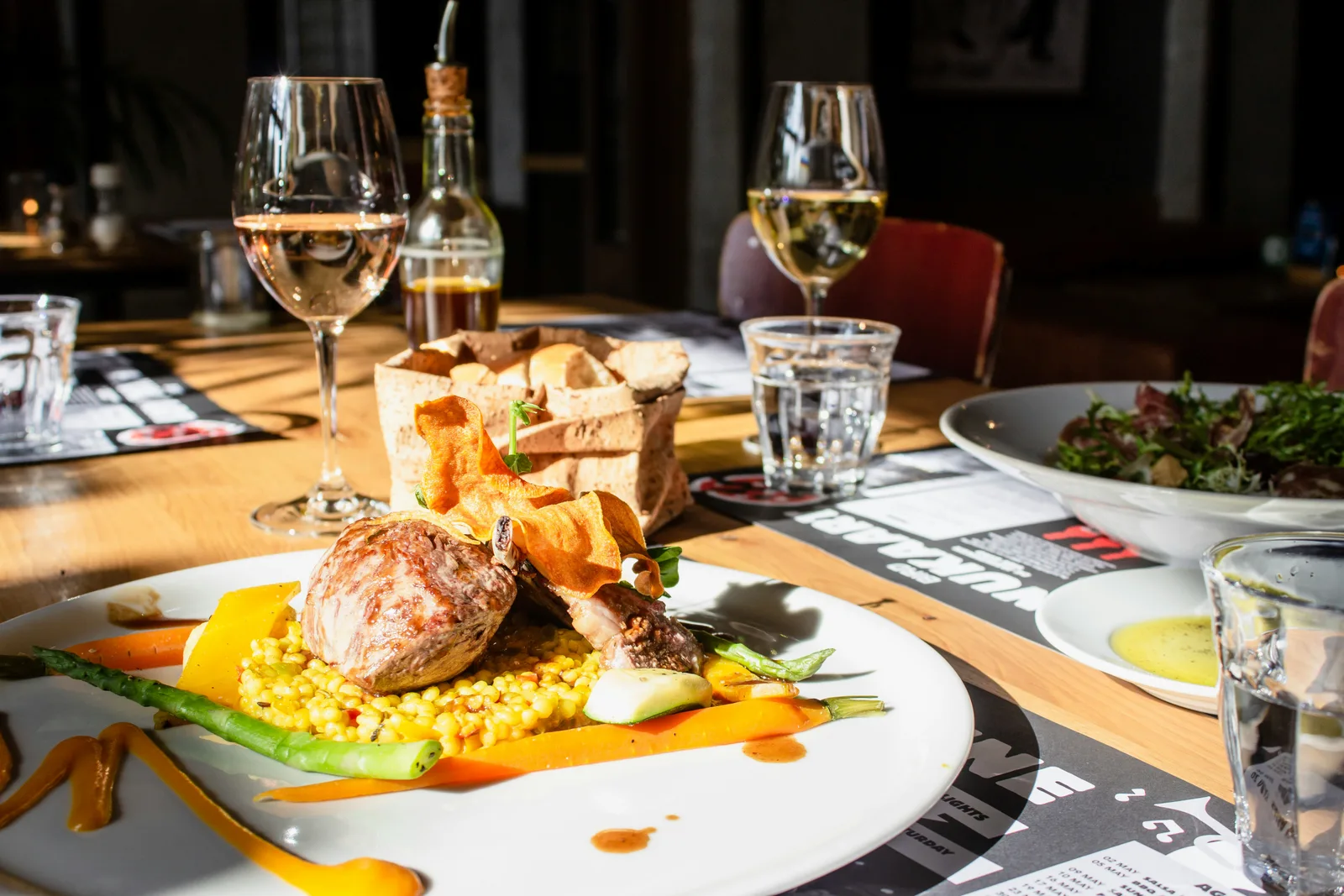
Tucson, in southern Arizona, was named a UNESCO City of Gastronomy in December 2015, the first city in the United States to receive the title. The designation is part of UNESCO's Creative Cities Network and recognizes a place's food heritage, the continuity of its traditional cooking, and its work on food systems. It brings tourism and attention but no money from UNESCO. For a visitor, it is a good reason to take a closer look at what Tucson eats.
Why is Tucson a City of Gastronomy?
The application drew on the region's agricultural history. The Tucson area has supported farming for thousands of years, reaching back to Indigenous communities who cultivated crops in the Santa Cruz River valley. The title recognized a culturally layered history, a variety of heritage ingredients and a continuity of traditional food preparation. It also looked at the whole food system, from seed saving and farming to restaurants and food security, not just at chefs.
The title does not mean every restaurant in Tucson is exceptional. It means the city has a deep and unusual food story, and that you can taste it if you look for it.
What are Tucson's heritage ingredients?
Local farmers and cooks work with desert crops that grew here long before supermarkets. Examples named in coverage of the designation include:
- Tepary beans, a drought-tolerant, high-protein bean domesticated by the Tohono O'odham people.
- Mesquite, the pods of which are ground into a sweet, nutty flour.
- Cholla buds, the flower buds of a cactus, eaten after cooking.
- Chiltepin peppers, tiny wild chiles that are very hot.
- Amaranth, a grain used for centuries in the Americas.
Mission Garden, a living agricultural museum at the foot of Sentinel Peak, grows historic crops to show how the Tucson area has been farmed over the centuries. Check its hours and visiting days. Restaurants and bakeries around the city use some of these ingredients, so look for them on menus.
What is a Sonoran hot dog, Tucson style?
Tucson is widely regarded as the Sonoran hot dog capital of the United States. The dog is wrapped in bacon, grilled and served in a bolillo roll with beans, onions, tomatoes, mustard, mayonnaise and jalapeno sauce. One account says the dish crossed the border from Hermosillo in the late 1980s and 1990s with vendors who clustered on South 12th Avenue in South Tucson. A Tucson hot dog restaurant, El Guero Canelo, was named an America's Classic by the James Beard Foundation in 2018. Check its hours and locations before you go. The city also has a thriving taco scene, with trucks and stands serving carne asada, al pastor and birria. Many are open late and take cash, and the best are often found in parking lots and on corners away from the center.
What is Tucson's Mexican food like?
Sonoran migration to this part of Arizona has been steady for generations, and Tucson's Mexican restaurants reflect it: flour tortillas, carne seca, chimichangas, cheese crisps, and red and green chile dishes. A restaurant called El Charro, one of the city's oldest, is among the places that claim to have invented the chimichanga. Tucson's food scene has been described as underrated in national coverage, and many of its best restaurants are small, family-run places in neighborhood strip malls. Ask the people you meet where they eat. The city also has Native American cooking, including fry bread, a fried dough served with toppings, and dishes from the Tohono O'odham Nation. Treat such food as a living tradition and buy it from the people who make it.
How do you plan a food weekend?
- Start with a heritage stop. Visit Mission Garden or a farmers market to see the ingredients.
- Eat a Sonoran hot dog for lunch from a cart or restaurant.
- Have a long Mexican dinner at a family restaurant.
- Try a local bakery for breads, pastries and tortillas.
- Visit a brewery or desert distillery for a drink with food trucks nearby.
Winter and spring are the best seasons for outdoor eating. The University of Arizona brings students and a steady stream of coffee shops and casual restaurants near campus and on Fourth Avenue, and the downtown has several restaurants and bars in historic buildings. Summer is hot, and many restaurants adjust their hours. Check before you go.
Is there a food festival?
Tucson holds events that celebrate its food heritage, including tastings and desert-feast dinners that feature local ingredients. Dates and organizers change from year to year, so look up the current calendar. These events are an easy way to try the heritage crops prepared by local chefs.
How does the check work?
Arizona charges a Transaction Privilege Tax, similar to a sales tax, on restaurant meals, added to your check. The rate depends on the city and county. Tipping at table-service restaurants is typically 18 to 20 percent. Arizona lets employers pay tipped workers a lower cash wage, so tips are part of a server's income. Hot dog carts and food trucks usually take cash or cards and welcome a tip but do not require one.
How do you find places locals love?
Look for places that are full of people at lunchtime on a Tuesday. Check for handwritten specials and menus in both English and Spanish. Visit a farmers market and ask the vendors where they eat. On Mosey you can rate the places you eat and the dishes you order, with photos, and keep lists of places to try, which helps you remember a good tamale after a long weekend.
This is one of many Arizona guides, and the Food in Arizona page lists them all by town.
More guides to read next:
- Tucson's 23 Miles of Mexican Food: Barrio Viejo and South Tucson guide
- Tucson food guide: Fourth Avenue, downtown and Mercado San Agustin
More in the US food guides and the ranked lists of places.
Questions
Common questions
Is Tucson really a UNESCO City of Gastronomy?
Yes. It was designated in December 2015 and was the first in the United States.
Does UNESCO give Tucson money for the title?
No. Reports say cities receive no money, though the label helps tourism.
What are tepary beans?
Drought-tolerant beans domesticated by the Tohono O'odham, high in protein and grown in the Sonoran Desert.
Where did the Sonoran hot dog come from?
Hermosillo, Sonora. It spread to Tucson, where South 12th Avenue vendors helped popularize it.
What is Mission Garden?
A living agricultural museum in Tucson growing historic crops. Check its hours before you visit.
When is the best time to visit Tucson for food?
Fall through spring, for outdoor eating. Summer is very hot.
More like this
Read next
Build Your Tucson City of Gastronomy Food List
A Tucson City of Gastronomy food list: how to build one in the Mosey app, share it with friends and keep a weekend in a desert food city organized.
Cheap Eats Near the University of Arizona in Tucson
Cheap eats near the University of Arizona in Tucson: how students stretch a budget in a food city, what to order and how to rate a meal for the next student.
Late Night Food in Tucson AZ After Midnight
Late night food in Tucson AZ: how a university and music city eats after midnight, what to look for near campus and downtown, and how to rate a late meal.
Sonoran Hot Dogs in Tucson: What to Know
Sonoran hot dogs in Tucson: what is on one, how to order it, what to look for in the roll and the toppings, and how to rate a dog for the next hungry diner.
