
Dish guide
Tennessee meat and three explained: how to order a plate lunch
Mosey · November 11, 2026 · 5 min read
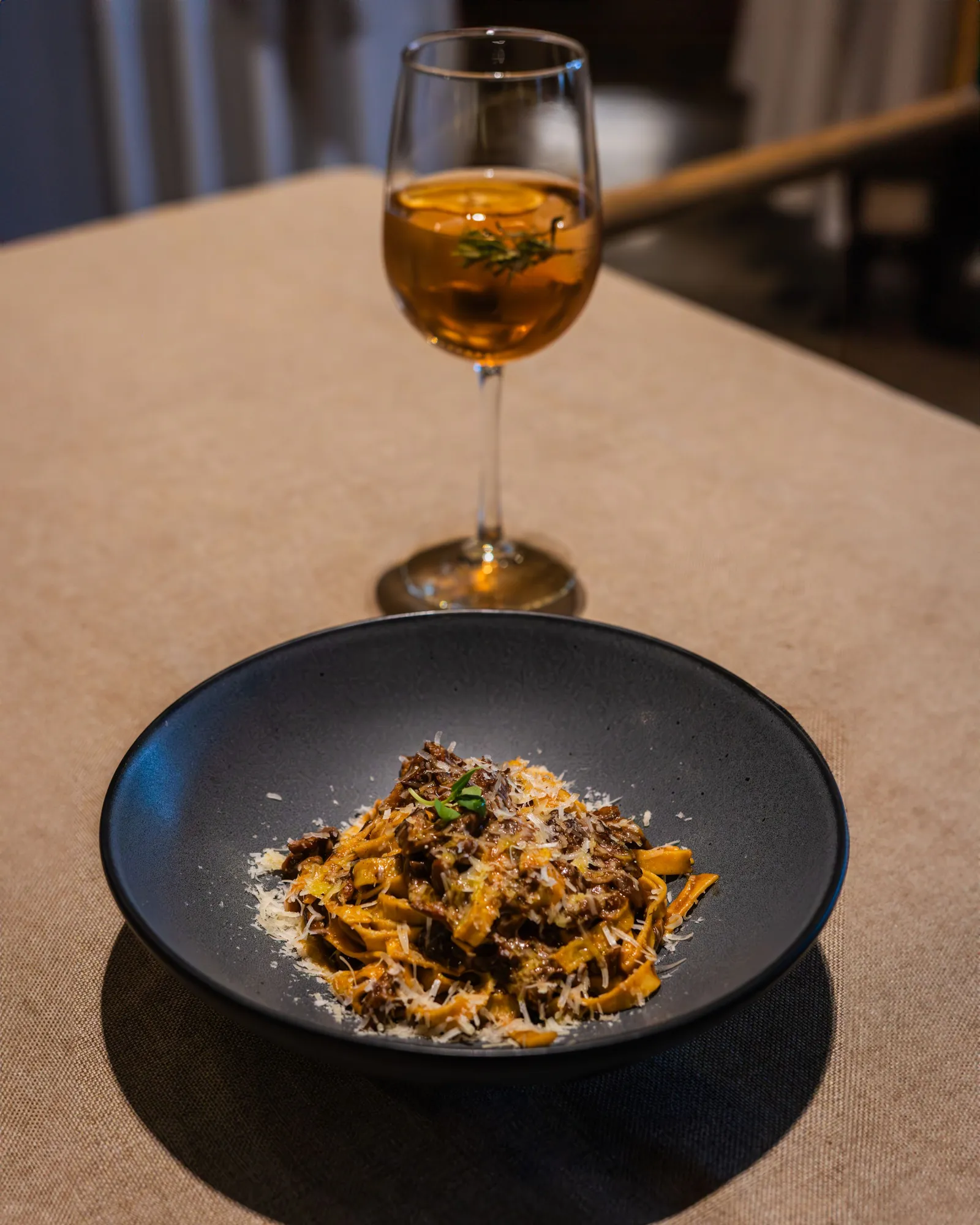
The meat and three is a Tennessee institution, and a good way to eat a large, honest lunch at a fair price. You choose one meat from a short list and three sides from a longer one, and a server brings them on a single plate with cornbread or a roll and a glass of sweet tea. The format is simple once you know it, but first-timers can feel rushed at a busy counter. Here is the system, the typical choices and how to order. The daily menu changes, so the board matters more than any list.
What is a meat and three?
A meat and three is a plate lunch: one meat chosen from the day's selection and three vegetables or sides chosen from a daily list. The name says what it is. Its roots trace to Tennessee and Nashville, though the exact origin is only loosely documented. Lunch counters serving working people made the format familiar, and it is now found across the South.
How does the daily menu work?
Most meat and three restaurants post a daily menu on a board or hand out a paper sheet. The meats, usually three to six, change with the day: fried chicken, meatloaf, roast beef, country-fried steak, baked chicken, ham or fish. The sides list is longer, often a dozen or more, and also changes. Many restaurants repeat a weekly pattern, so a particular dish may be on a certain day, such as fried chicken on Sunday. Ask the server what the special is, because the best dishes are often the ones that rotate. A plate of the day, offered at a lower price, is common in many places.
What are the typical sides?
Expect a mix of vegetables and starches. Common choices include collard greens, green beans, turnip greens, black-eyed peas, pinto beans, fried okra, mashed potatoes, macaroni and cheese, candied yams, squash casserole, creamed corn and slaw. In the South, macaroni and cheese counts as a vegetable on this plate, which delights some visitors. Cornbread or a yeast roll usually comes with the plate, and some places offer both.
How do you order?
Ordering often works one of two ways.
- At a cafeteria line, you tell the server which meat and sides you want and they plate it as you go along.
- At a table, a server takes your order from the menu and brings it out.
Say your choices clearly. If you cannot decide, ask the server what is best that day. Ask whether dessert is included, since many places have a cobbler or pie of the day. Banana pudding, peach cobbler, chess pie and a layer cake are typical. Dessert is often a few dollars extra, and sharing one among two people is normal.
What about drinks?
Sweet tea is the default and is served in large glasses. Ask for unsweetened tea or water if you prefer. Refills are often free.
What does it cost?
A meat and three is usually one of the better values in a Southern town, though prices vary and have risen with food costs. Prices are normally posted on the board. Menu prices do not include Tennessee sales tax, which is added at the register. Tip at the usual rate if you have table service. At a cafeteria line, tipping is optional. Many restaurants take only cash or have a card minimum, so check before you sit down. Some do not take reservations, and a line forms at the door at noon.
When should you go?
Meat and threes are a lunch tradition, and many close by mid-afternoon or serve only a few days a week. Go around noon on a weekday, but expect lines at busy places. Come early for the widest choice, because popular items run out. Check hours, since some are closed on Mondays or Saturdays.
How do you eat well if you are vegetarian?
Many restaurants let you order a vegetable plate with four sides, which can be filling. Be aware that some vegetables are cooked with meat or lard, such as greens cooked with ham, and ask. Mac and cheese, fried okra and squash casserole are often meatless but check. Cornbread is sometimes made with bacon grease, and beans may be cooked with a ham hock. Ask the server, who will usually be glad to tell you what is safe for your diet.
How do you find a good one and remember your plate?
Ask locals, look for a crowd of regulars at lunch and read the board. A place that changes its menu daily and has a line of people in work clothes is a good sign. Mosey is a food app for finding, rating and sharing places to eat, and it rates by the dish, so your fried chicken with greens, mac and cheese and cornbread can carry its own score and a tag such as Great Value.
Keep a list, share its invite link with friends who travel Tennessee with you and compare across towns. A traveler who eats a plate lunch in Nashville, Knoxville and Chattanooga will see how the format shifts with each city's tastes, from the style of the greens to the choice of bread.
Rate your next plate lunch in the Mosey app.
More guides to read next:
- Where to eat in Chattanooga: Southside, North Shore and Main Street
- Where to eat in Knoxville: Market Square, the Old City and farmers markets
- Where to eat in Nashville by neighborhood: Germantown to 12 South
More in the US food guides and the ranked lists of places.
Questions
Common questions
What is a meat and three?
A Southern plate lunch of one meat and three sides chosen from daily lists, usually with cornbread or a roll.
Where did the meat and three begin?
Its roots trace to Tennessee and Nashville, though the exact origin is only loosely documented. Lunch counters serving working people made the format familiar, and it is now found across the South.
Does mac and cheese count as a vegetable?
On a meat and three plate, often yes. Many restaurants list it among the sides.
Can vegetarians eat at a meat and three?
Many places offer a vegetable plate. Ask how vegetables are cooked, since some use meat or lard.
Is sweet tea included?
Sweet tea is the default drink and is often included or inexpensive. Ask for unsweetened if you prefer.
When are meat and three restaurants open?
Mostly for weekday lunch, and many close by mid-afternoon. Check hours before you go.
More like this
Read next
Alabama White Sauce: What It Is and How to Eat It
Alabama white sauce is a tangy mix of mayonnaise and vinegar born in Decatur in the 1920s. Learn what goes in it, why it suits chicken and how to order it.
Ashland Farmers Market and Food Co-op: Shopping Guide
Ashland farmers market and Food Co-op: how the Tuesday market runs, what the co-op sells, how Rogue Valley produce fills a picnic and how to rate a stall.
Astoria Sunday Market Food Guide: What to Eat There
Astoria Sunday Market food guide: how the 12th Street market runs from Mother's Day to mid-October, what the food court and growers offer and how to rate it.
Best barbecue in Austin by neighborhood: how to eat it (2026)
How to eat Austin barbecue in 2026: the East, South and North Austin scenes, how the lines work, what to order by the pound, and day trips to Lockhart and Driftwood.
