
How to
Shellfish Allergy in Charleston: What to Ask
Mosey · November 11, 2026 · 5 min read
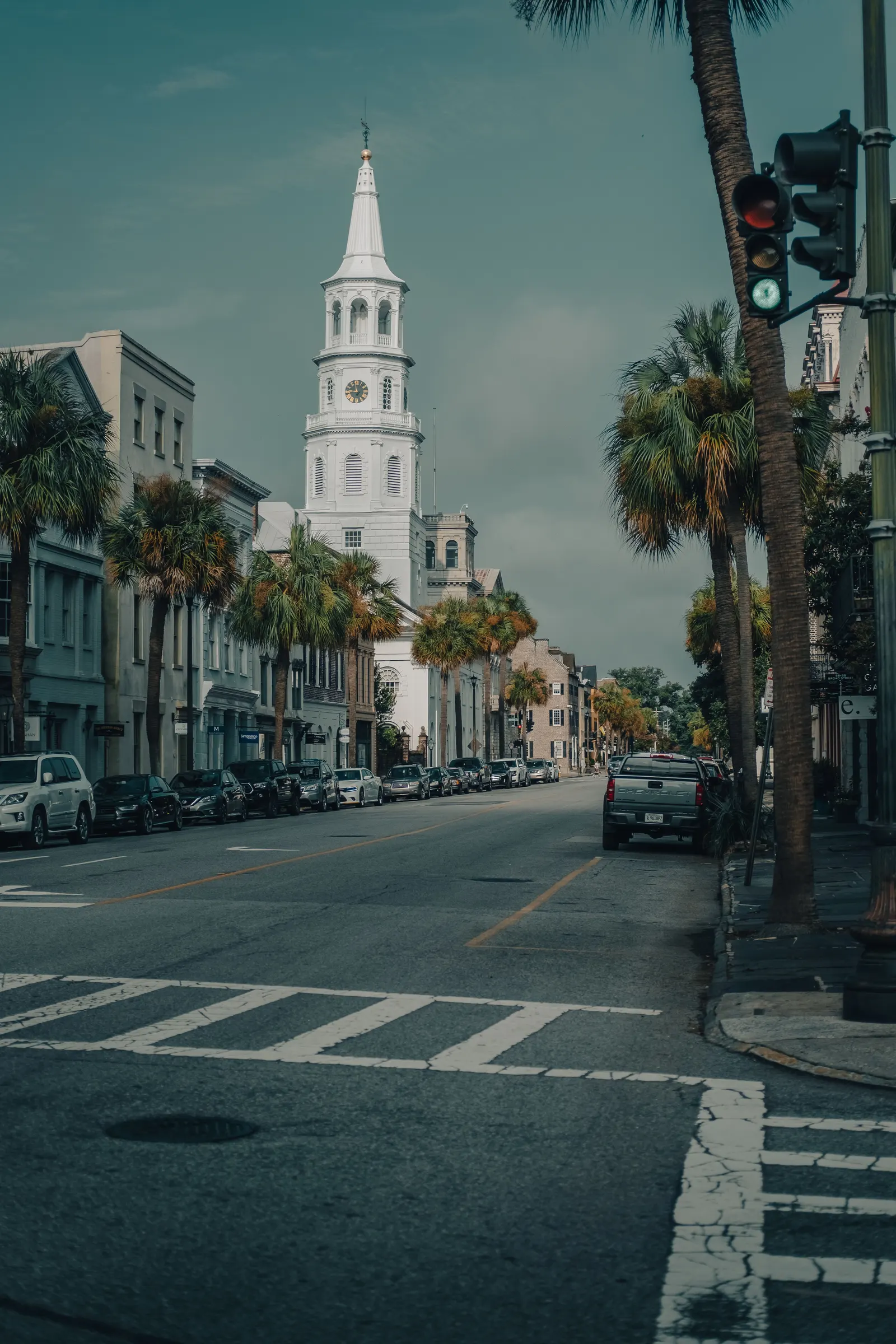
A shellfish allergy in Charleston needs careful questions, because the Lowcountry's best-known dishes are built on its water: she-crab soup is made from blue crab, shrimp and grits is a Charleston classic, and Lowcountry stews often start with seafood stock. Ask the place, not the menu, and treat every answer as information, never a promise.
Shellfish hides in more local cooking than you might expect, and knowing where makes it easier to ask. Follow your doctor's advice first.
Where does a shellfish allergy in Charleston matter most?
The obvious dishes are the soup and the shrimp. Less obvious are the stocks, gravies and sauces that carry the flavor. Wikipedia says she-crab soup is a specialty of the Lowcountry, and Good Morning America notes that in Charleston, shrimp is served with brown gravy over grits. The gravy can be made with shrimp stock, and a bowl of grits may share a pot with the shrimp.
Rice dishes, gumbo-style stews and tomato soups may also use seafood stock, and fried foods may share oil with fried shrimp or oysters. If a dish is described as seafood-free, ask about the stock, the oil and the utensils.
What is cross-contact, and why does it matter?
Cross-contact is the transfer of an allergen from one food to another through shared tongs, spoons, fryers, pans or counters. A tiny amount can matter to a person with a severe allergy, and it can be invisible. A salad with no shellfish can still carry traces if it was prepared next to a pile of shrimp.
Ask how the kitchen handles allergy orders. A good answer describes steps: clean pans, a separate board, a cook who changes gloves. A vague answer is a reason to choose a different place. Restaurants differ in how well they can manage a serious allergy, and an honest no is better than a confident maybe.
How do you talk to a server?
Say the allergy first, before you look at the menu, and use the word allergy, not preference. Name the foods: shrimp, crab, crawfish, lobster, oysters, clams and mussels. Some people react to all shellfish and some only to crustaceans or mollusks, so say what your doctor has told you.
Ask the server to check with the cook, not to guess. Ask what shares a fryer. Ask about stocks, gravies and sauces. If you carry medication, keep it with you. A relaxed server who writes the allergy on the ticket is a good sign.
If the person serving you seems unsure, ask to speak to a manager or the cook. Most kitchens would rather have the conversation before the food is made than after. Repeat the allergy when the plate arrives, and ask the person who delivers it whether it was made separately. Small checks like these cost little and catch the mistakes that happen on busy nights.
Which Lowcountry dishes need extra questions?
The Lowcountry cooking guide describes red rice, okra stew and benne. Red rice often contains bacon or sausage, which is not shellfish, but the stock may be seafood. Okra soups can be seafood-based. Benne is sesame, a separate allergen. Shrimp and grits is built on shellfish.
Dishes that are often safer to ask about are plain grilled meats, vegetable sides and desserts, but even these need the cross-contact question. Do not assume any dish is free of shellfish because it sounds like it should be.
How do you plan a day around the allergy?
Pick kitchens before you arrive, if you can, and read their menus online. Call at a quiet time and ask whether they can manage a shellfish allergy. Eat your main meal early in the evening, when the kitchen is calmer. Keep breakfast and lunch simple at places that do not cook seafood.
Write down what each place told you and the date. A note from last year is not an answer today. Carry what you need to carry, and tell your companions the plan.
Travel adds its own risks. A hotel breakfast buffet shares spoons across trays, a market stall may fry in one pot all morning and a food festival crowd leaves little room for a careful conversation. Choose settings where you can talk to the cook, and give yourself permission to leave a table that cannot answer. Keep a few safe snacks in your bag so that a bad restaurant evening does not become a bad night.
How can Mosey help with shellfish allergy-aware eating in Charleston?
Mosey has tags for Allergen-Friendly among others, which a rater can add to a rating and a diner can filter by. A tag records what the rater chose to say, not what a kitchen guarantees, so keep asking. A useful rating describes what happened: "told the server first, they used a clean pan".
Rate by the dish, keep a private list of the kitchens that took care of you, and share it with a friend who has the same allergy. Follow friends to see what they rated and saved.
Listing on Mosey is free for a place, with affordable tools and no hidden fees, which helps small kitchens that cook carefully.
Where else can you read about Charleston?
See the Charleston page, the South Carolina page and the US food guides. The she-crab soup guide explains a dish to avoid, and the finding good food guide covers planning.
Before your next Charleston dinner, say the allergy first, then open the Mosey app and note what the kitchen told you.
Questions
Common questions
Which Charleston dishes contain shellfish?
The classic bisque is made from blue crab, and shrimp and grits is built on shrimp, often with a gravy that may use shrimp stock. Rice dishes and stews may also use seafood stock, so ask about every dish, not just the obvious ones.
What should I say to a server about a shellfish allergy?
Say allergy before ordering, name the shellfish you react to, and ask the server to check with the cook about stocks, sauces, oil and utensils. Ask how the kitchen handles allergy orders and be ready for an honest no.
What is cross-contact?
Cross-contact is the transfer of an allergen through shared tongs, pans, fryers or counters. A small amount can matter to someone with a severe allergy, so ask how the kitchen prevents it, not only what is in the dish.
How do I keep track of allergy-aware places in Charleston?
Mosey is a food app where you rate each dish, tag it and keep lists to share with friends. In Charleston, use tags such as Allergen-Friendly on your ratings, add what the kitchen told you and follow friends with the same needs.
Does an Allergen-Friendly tag guarantee safety?
No. A tag shows what the person who rated the place chose to say. Menus and kitchens change, so ask every visit, follow your doctor's advice and never rely on a tag instead of speaking to the place.
More like this
Read next
How to Find Good Food in Charleston
Find good food in Charleston by learning Lowcountry plates, keeping short notes and sharing lists with trusted friends, then let your ratings guide you.
Lowcountry Cooking in Charleston: Red Rice, Okra, Benne
Lowcountry cooking in Charleston blends West African, Gullah Geechee and local traditions: rice, red rice, okra and benne. What they are and how to order them.
She-Crab Soup in Charleston: What It Is and How to Order
She-crab soup is a creamy Lowcountry bisque of blue crab, roe and sherry. What goes in it, how to taste it well and how to ask about shellfish and cream.
A 48 Hour Food Weekend Plan With a Shared List
Plan a 48 hour food weekend in any town with one shared list: sections for each meal, notes from everyone, ratings as you go and a list to keep afterward.
