
Food culture
The Mission burrito: how to eat it in San Francisco
Mosey · November 11, 2026 · 5 min read
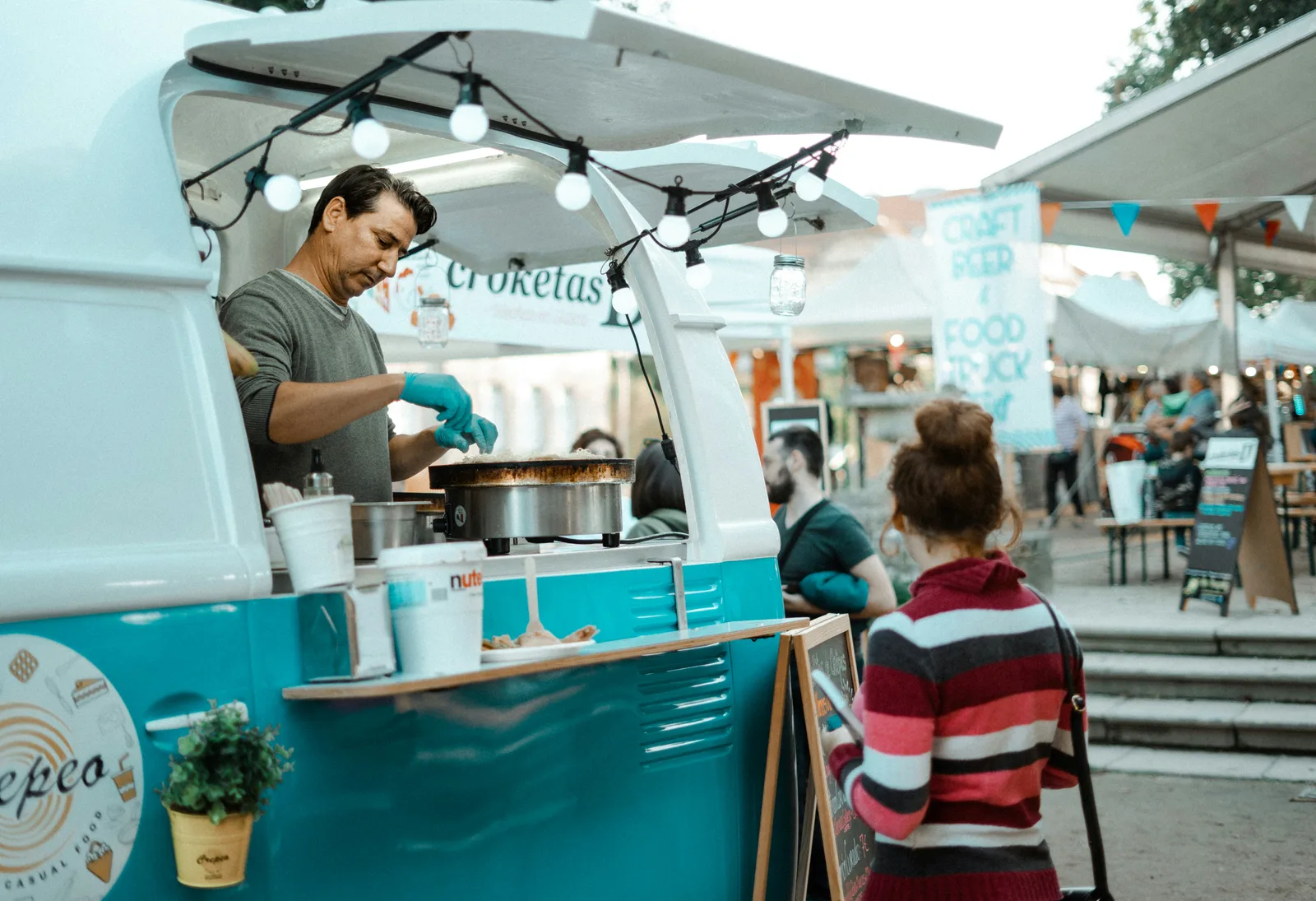
The Mission burrito is San Francisco's own: a large flour tortilla wrapped around meat, rice, beans and salsa, rolled tight in foil, and first popular in the Mission District in the 1960s. The best place to eat one is still the Mission, along Mission Street and 24th Street, where taquerias, bakeries and pupuserias sit block after block. Here is what makes it different and how to order it like a local.
What is a Mission burrito?
The Mission burrito is defined by size and by rice. Older burritos in Mexico and the Southwest were usually slimmer and simpler. The San Francisco version puts rice inside alongside the beans and meat, adds salsa and often cheese, sour cream and guacamole, and steams the tortilla so it can stretch around all of it. The whole thing is wrapped in aluminum foil, which holds it together while you eat and keeps it warm on the walk home.
The style spread far beyond the city. From the mid-1990s, national fast-casual chains built their menus around it, which is why the Mission burrito is now what most Americans picture when they hear the word. Eating one in the neighborhood that started it is a different experience.
Who invented the Mission burrito?
Nobody can say for certain, and San Franciscans enjoy the argument. Two long-running Mission taquerias each have a claim. One dates its first burrito to September 26, 1961, when its owner wrapped a meal for a group of firefighters in two regular tortillas because a single one was too small, and later had larger tortillas made specially. The other dates the San Francisco burrito to September 29, 1969, when a family selling burritos from their meat market began the business that became a taqueria in 1972.
Others say they remember similar burritos from earlier in the 1960s. What is not disputed is that the Mission is where the style took shape.
How do you order a burrito at a Mission taqueria?
Most taquerias work the same way. You wait in line at a counter, tell the person at the steam table what you want as they build it, and pay at the register.
- Pick the size. Many places offer a regular burrito and a larger "super," which adds extras such as cheese, sour cream and guacamole.
- Pick the meat. Carne asada (grilled beef), carnitas (slow-cooked pork), al pastor (marinated pork), pollo (chicken) and lengua (beef tongue) are the usual choices. Vegetarian burritos with beans and grilled vegetables are standard too.
- Pick the beans and rice. You are often asked whether you want pinto or black beans, whole or refried.
- Choose the salsa. Ask which salsa is the hot one before you commit.
- Ask for it grilled or dry. Some taquerias crisp the tortilla on the griddle, and some regulars ask for the burrito "dorado" for a toasted outside. It is worth asking what the house does.
Many taquerias keep a salsa bar with extra sauces, pickled carrots and jalapeños, and radishes. Cash used to be the rule; many places now take cards, but carrying a little cash still helps.
Where in the Mission should you go for burritos?
The food in the Mission runs along two main corridors.
Mission Street, especially between 16th Street and 24th Street, is the most traditional stretch: taquerias, panaderías (Mexican bakeries), pupuserias and Salvadoran restaurants, with Vietnamese and Yemeni places among them. It is busy, practical and good value.
24th Street, from Mission Street east to Potrero Avenue, is the heart of the Calle 24 Latino Cultural District, which the San Francisco Board of Supervisors formally recognized in May 2014. It has the greatest concentration of Latino businesses and murals in the city, with taquerias, bakeries, produce markets, butchers and cafes.
Valencia Street, a block west of Mission Street, has changed the most over the years and has more sit-down and upscale restaurants. Walk all three and you will see how much the neighborhood holds.
What else should you eat in the Mission District?
The burrito is the famous one, but it is not the only reason to go.
| What | What to look for |
|---|---|
| Tacos | Small tortillas, one meat, onion, cilantro, salsa |
| Pupusas | Salvadoran stuffed corn cakes, served with curtido slaw |
| Pan dulce | Sweet Mexican breads from the bakeries on 24th Street |
| Quesadillas | Often large enough to share at taquerias |
| Agua fresca | Fruit drinks such as horchata, jamaica and tamarind |
| Tamales | Sold at bakeries and markets, often on weekends |
What should you see while eating in the Mission?
Food and murals go together here. Balmy Alley, a short lane off 24th Street, has been covered in murals since 1973, when the Mujeres Muralistas began painting garage doors there. The murals are maintained by the nonprofit Precita Eyes, and there are many more on walls and fences across the district. A burrito, a walk down Balmy Alley and a pastry from a 24th Street bakery make an easy afternoon.
When is the best time to visit?
Lunch and early evening are the busiest times at the well-known taquerias, and weekend lines can stretch out the door. Late morning on a weekday is quieter. Hours vary from place to place and change over time, so check before you go, particularly if you are heading out late at night.
How can you keep track of your favorite burritos?
Every San Franciscan has an opinion on the best burrito, and the honest answer depends on what you order. On Mosey you can rate the places you ate at and the dishes you ordered, with photos, keep a list of taquerias to try, and follow friends to see where they went. Rating the dish rather than just the place is how you find the kitchen with the best carnitas.
More guides to read next:
- San Francisco Chinatown and dim sum: a food guide
- North Beach Italian food in San Francisco: a neighborhood guide
- San Francisco restaurant surcharges and service fees explained
More in the US food guides and the ranked lists of places.
Questions
Common questions
What is a Mission-style burrito?
A large flour tortilla, usually steamed, wrapped around meat, rice, beans and salsa, often with cheese, sour cream and guacamole, and rolled in foil. It became popular in San Francisco's Mission District in the 1960s.
Who invented the Mission burrito?
Two long-running Mission taquerias claim it, one dating its first burrito to 1961 and the other to 1969. Others remember similar burritos from earlier in the decade, so there is no settled answer.
Where is the best area for burritos in San Francisco?
The Mission District, especially Mission Street between 16th and 24th streets and 24th Street east of Mission Street.
What is a super burrito?
At many taquerias, a super burrito is a larger version that adds extras such as cheese, sour cream and guacamole. Ask what the house includes.
Is the Mission District good for cheap food?
Yes. Taquerias, pupuserias and bakeries along Mission Street and 24th Street are some of the best-value meals in the city.
What is the Calle 24 Latino Cultural District?
The stretch of 24th Street from Mission Street to Potrero Avenue, formally recognized by the Board of Supervisors in 2014 for its long history as the center of Latino culture and commerce in San Francisco.
More like this
Read next
Build Your San Francisco Ice Cream List
Start a San Francisco ice cream list with a method: how to rate ice cream by texture, flavor and melt, why fog matters and how to share San Francisco favorites.
Cheap Eats in San Francisco: Taquerias and More
A guide to cheap eats in San Francisco: Mission District taquerias, bakeries, noodle shops and food trucks, with tips for eating well in an expensive city.
Richmond District San Francisco Restaurants
A guide to Richmond District San Francisco restaurants: the Clement Street strip, Burmese favorites, a bakery stop and the Sunset side of Irving Street.
San Francisco Chinatown and dim sum: a food guide
San Francisco's Chinatown is the oldest in North America. Where to eat on Grant Avenue and Stockton Street, how dim sum works, and what to order first.
