
Food culture
San Antonio Chili Queens: The Street Food Story
Mosey · November 11, 2026 · 5 min read
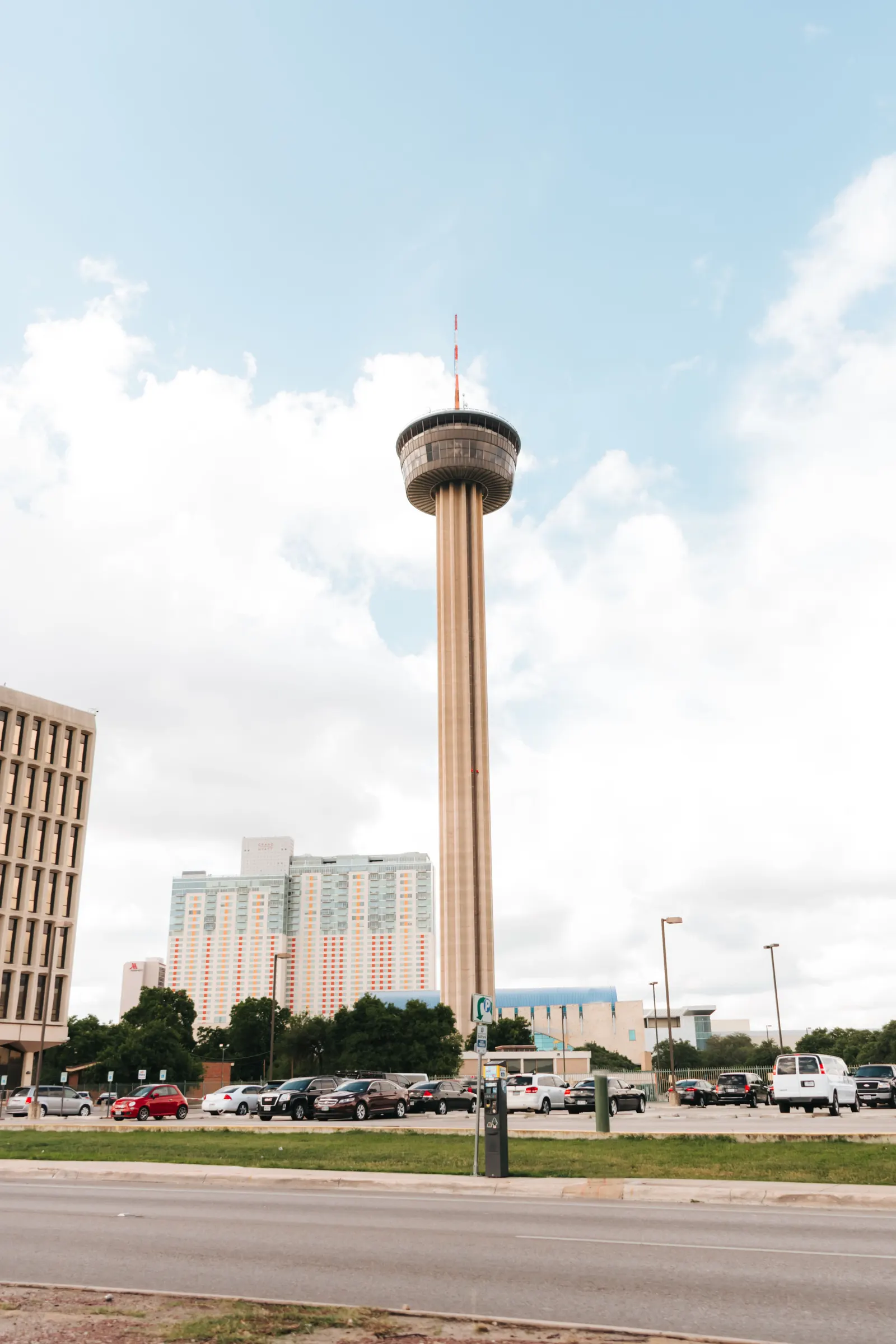
San Antonio chili queens were the women who ran open-air food stands in the city's plazas from the 1860s until the early 1940s, serving chili, tamales and more by lantern light. They are remembered as forerunners of Tex-Mex street food. Here is who they were, what they served, why they disappeared and how to taste the tradition in the city now.
Who were the San Antonio chili queens?
The Journal of San Antonio, from the University of the Incarnate Word, describes them as women who ran stands in the plazas. At first the title applied to only a few women, and it later extended to nearly all the vendors, most of them young and Hispanic. Family members chaperoned them while the women joked and bantered with customers. Wikipedia adds that chili largely originated with working-class Tejana and Mexican women.
The tradition is generally dated from the 1860s. The Journal calls the stands a major amusement of the city from then until the late 1930s, and the work was done at night, from dusk until dawn.
Writers of the time left a picture of lamps glowing over crowded tables, a hum of conversation and a carnival feel in the plazas.
What did the chili queens serve besides chili con carne?
The main dish was a spiced meat stew that visitors from the East and North found surprisingly hot. The Journal also names tamales, enchiladas, chili verde and beans. A report from Texas Public Radio and the San Antonio Report, quoting a historian's book, adds a broader menu at Military Plaza that included frijoles, tamales, enchiladas, menudo and fried eggs topped with chili sauce.
The cooking was simple and it happened on the spot. Vendors set up tables and benches and cooked or reheated food in pots over mesquite fires, serving by the light of oil lanterns. Wandering musicians sang and played, and vendors sometimes paid them with food to draw a crowd.
Where did the stands stand, from Military Plaza to Haymarket Plaza?
Military Plaza was the first marketplace, used until City Hall was built there. Alamo Plaza was another stand site in the later nineteenth century. Later, vendors moved west toward the market district, to Haymarket Plaza and to Milam Park.
The city moved the stands often. They closed at times for sanitary reasons and reopened after public outcry. In the end the Texas Public Radio report says health inspectors found unsanitary conditions at Haymarket Plaza, including meat kept without refrigeration for more than 24 hours, and the city eventually forced the stands out. The Journal places the permanent closure in the early 1940s, citing dishwashing.
Why do the chili queens still matter?
The Journal of San Antonio calls them forerunners of the nationwide Tex-Mex food industry and notes that a San Antonio company produced chili powder, canned chili and canned tamales on a large scale. Wikipedia says the San Antonio Chili Stand at the 1893 World's Columbian Exposition in Chicago introduced many Americans to chili. The Texas Legislature has proclaimed chili con carne the state dish, according to the Journal.
They also matter as a story about who built a food culture. These were working women, often Tejana and Mexican, who turned a pot of stew into a livelihood and a public gathering. The food is a record of their work.
Is the gordita a chili queens dish?
Not directly. The Texas Public Radio report says there is no clear historical link between the chili queens and gorditas. The pocket is shaped by hand from masa, fried until it puffs, slit open and filled. Fillings named in the report include picadillo, chicken, chicharron and beans with cheese, and toppings include lettuce, tomato, cheese and guacamole.
Gorditas are better thought of as a way to taste the spirit of plaza cooking than as a recreation of the chili queens' menu.
How can you taste the tradition today?
Look for a chili with a spiced, slow-cooked character, tamales and a bowl of beans. Ask how the chili is made: whether it uses beef, whether it has beans, how hot it is and what it is served with. Texas-style chili traditionally leaves out the beans, but kitchens differ, so ask.
If you want the plaza experience, walk the market district in daylight, read menus and try a fried masa pocket or a bowl of something warm. Festivals in the city sometimes honor the chili queens with plaza-style food, so check the organizers for what is on. The Pearl and Market Square guide describes the district.
How do you keep a chili diary with Mosey?
After a bowl, open the Mosey app and rate the dish itself. A place and stars are required. Add a note, such as smoky, mild heat, no beans, and a tag and photo if you like. Tag the person you ate with so they can rate it as well.
Start a list called Plaza cooking and send it to a friend by invite link so they can add their own. Follow friends to see what they rated and saved. The ratings page explains rating by the dish.
Where else can you read about San Antonio?
Related reading: the Fiesta food guide, the finding good food guide and the historic restaurants guide. See the San Antonio page, the Texas page and the US food guides.
When you try your next bowl of chili, open the Mosey app, rate it by name and add it to a list.
Questions
Common questions
Who were the San Antonio chili queens?
The chili queens were women who ran open-air food stands in San Antonio's plazas from about the 1860s to the early 1940s, serving chili con carne, tamales and other dishes at night by lantern light. Most were young and Hispanic.
What did the chili queens serve?
The main dish was chili con carne. Accounts also name tamales, enchiladas, chili verde, beans, menudo and fried eggs topped with chili sauce. The food was cooked or reheated in pots over mesquite fires.
Why did the chili queens stop?
The city closed the stands at times for sanitary reasons, and in the early 1940s health officials shut them for good, citing unsanitary conditions and dishwashing. Their plaza cooking is gone, but the dishes carried on in the city's kitchens.
Are gorditas a chili queens dish?
Not directly. A Texas Public Radio report says there is no clear historical link, although stands in the market district are often described as heirs to plaza cooking. A gordita is a fried masa pocket filled with meat, beans or cheese.
How can I keep track of dishes I try in San Antonio?
Mosey is a food app for rating a bowl or a plate, keeping a list and sharing it with friends. In San Antonio you can add tags to your ratings, follow friends to see what they rated and saved, and send a list by invite link.
More like this
Read next
Best Breakfast Tacos in San Antonio: Puffy Tacos and More
A guide to the best breakfast tacos in San Antonio: handmade tortillas, bean and cheese, the city claim on the puffy taco and a donut shop with a taco counter.
Fiesta San Antonio Food: A Visitor Guide
Fiesta San Antonio food is part of a spring festival with more than 100 events. How it began, how to plan around crowds and how to keep notes on what you eat.
Gluten-Free Eating in San Antonio: Corn and Flour
Gluten-free eating in San Antonio starts with knowing corn from flour tortillas, then asking about fryers, sauces and fillings. Questions and notes to keep.
Historic Restaurants in San Antonio: What to Order
Historic restaurants in San Antonio include Market Square Tex-Mex, German-Texan lunch counters, breakfast taco cafes and pan dulce bakeries. What to order.
