
How to
Sampler Badge With Chicago Cuisines: How It Works
Mosey · November 11, 2026 · 4 min read
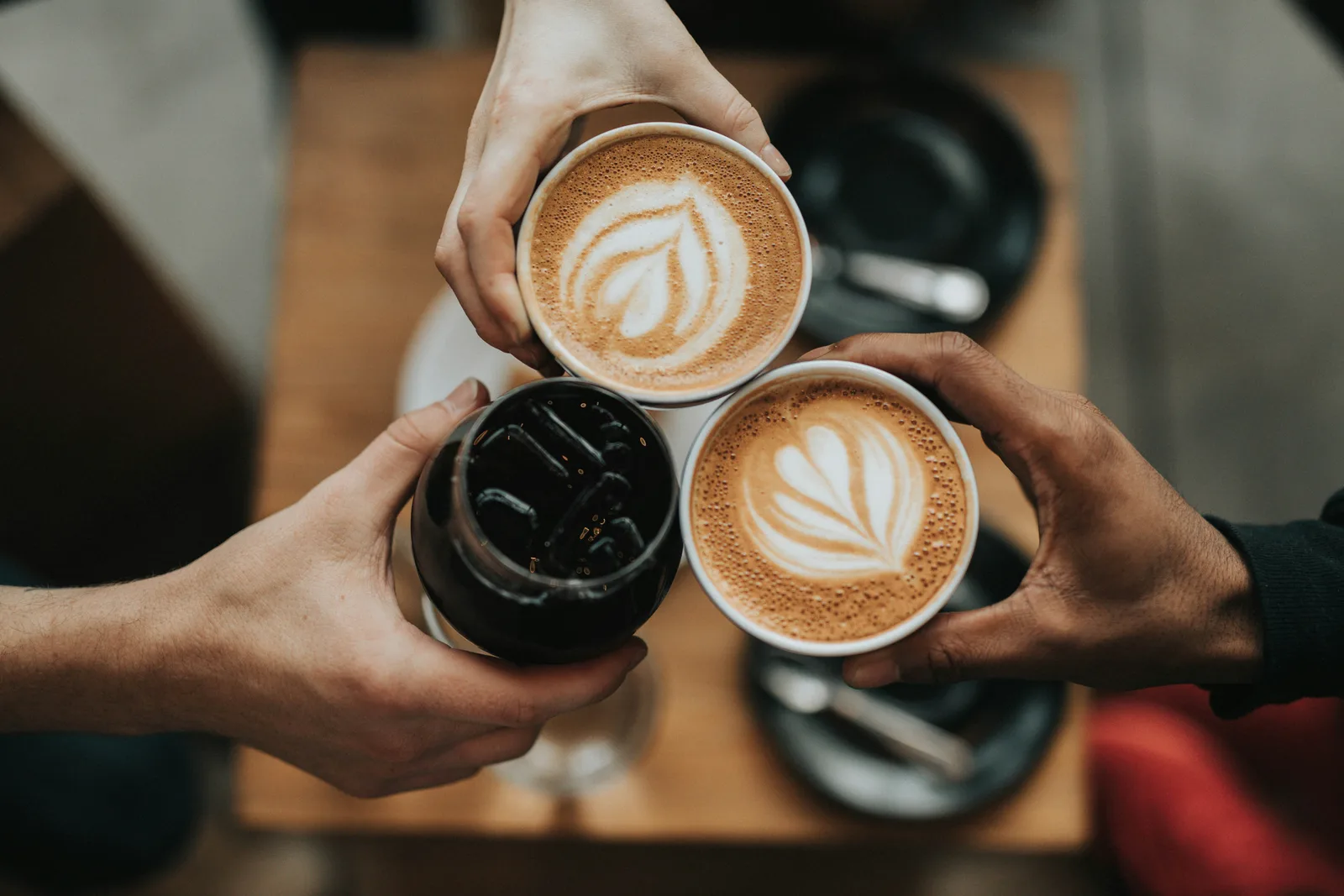
The Sampler badge with Chicago cuisines starts at five different places that share a tag, such as Italian, Greek or Vietnamese. Rate places with a tag and you earn a badge, and keep going to climb four levels: Sampler, Taster, Expert and Connoisseur. Chicago's neighborhoods make the first step easy to plan.
Here is how the ladder works and how a Chicago diner can work toward it.
What is the Sampler badge with Chicago cuisines?
It is the first level of a badge family. Badges are tag-led: rate places with a tag, like Italian or Pizza, and you earn a badge for that kind of food. Most badges start at five different places in one category. The four levels are Sampler, Taster, Expert and Connoisseur, at five, ten, twenty and fifty distinct places.
A level reached is kept. Rating the same place twice does not count twice; the places must be different.
How does a cuisine badge Chicago diners can earn work?
You rate a place and add a tag to the rating. The tag names a cuisine, a kind of place, a meal, a dietary need or an occasion. When you have rated five different places that carry the same tag, you reach the first level. A New badge screen appears, with a way to share it.
Tags earn badges and help people find a place, so pick them honestly. Use the tag that describes the meal you ate, not the one that would get you to the next level.
Can you rate five Italian places in Chicago for a badge?
Yes, and the city is a good place to try. Italian is a cuisine tag, and Chicago has Italian kitchens in many neighborhoods, from long-standing family rooms to pizza counters. Our guides to deep dish versus tavern-style pizza and pizza by the slice show the range. Pizza is its own tag, so those ratings work toward a different badge.
Spread your five across neighborhoods. It makes a better story and a better map.
Which Chicago neighborhood cuisine badge is easiest?
Whichever tag you already eat. Greek, Vietnamese and Italian are all cuisine tags, and each is available in several Chicago neighborhoods. A walk down Argyle Street gives you Vietnamese places within a few blocks, and a Greek meal needs only a bus ride to the next stop on your list.
Explorer badges work differently: they count US states, cities and neighborhoods you have rated in. They sit alongside the food badges.
What are the Sampler, Taster, Expert and Connoisseur levels?
They are the four steps of every food badge. Sampler is the first, at five places. Taster follows at ten, Expert at twenty and Connoisseur at fifty. The steps get harder, and a Connoisseur has rated fifty different places of one kind. Nothing is unlocked and nothing is given away: a badge is a record of what you have eaten and rated.
Do not chase the number. A badge is a by-product of curiosity.
How do you plan five places with friends?
Make a list called Five Italian, add six places so that one can fail, and share it with a friend. Each of you rates the places you visit. Tag the friends you were with, and they can add their own rating of the same meal. Compare the lists after a month. If you each pick a cuisine, you cover two badges together.
How this works in the app: Make a list and Food badges.
What should you not do for a badge?
Do not rate places you have not eaten at, and do not tag a meal with a cuisine it was not. A badge is only worth having if it matches what you actually ate. Do not hurry through five places in one afternoon either; the point is to taste a cuisine across different kitchens and neighborhoods, which shows you how much variety a single word like Italian can hold.
If a place new to you is missing when you search, add it by rating it. Rating it puts it on the map for the next diner too, which is how a city's list of good places grows one meal at a time.
How do you share a badge?
When you reach a level, the New badge screen offers Share your badge, which makes a picture you can send. You can add your first name to the card if you like. It is a small celebration that costs nothing and tells friends what you have been eating.
Ask friends what they are working on, too. Badges are a good excuse to swap places, and a friend who is chasing Greek may point you to a kitchen you have never tried. Compare notes at the end of each month, and let the numbers be a conversation rather than a contest.
The wider US food guides show other cities with strong cuisine traditions, and the Chicago food guides gather the neighborhoods. A badge is slow by design, so start with the tag you already love.
Get the Mosey app, rate your next Chicago meal with a cuisine tag and watch your first badge take shape.
Questions
Common questions
What is the Sampler badge?
Sampler is the first level of a food badge. Rate five different places that carry the same tag, such as Italian or Pizza, and you earn it. Taster, Expert and Connoisseur follow at ten, twenty and fifty different places. A level reached is kept.
Does rating the same place twice count?
No. A badge counts distinct places, so five ratings of one place still count as one. Rate five different places that carry the tag, and the badge follows. You can still rate a place again to record a second visit.
Does a badge give a discount or a prize?
No. A badge is a record of what you have rated, not a reward. It unlocks nothing and gives no discount. You can share it as a picture, which makes it a small celebration of your own curiosity about food.
How can I keep track of the places I rate toward a badge?
Mosey is a food app for finding places, rating each dish and sharing lists. In Chicago, keep a list for the cuisine you are working on, tag each rating, follow friends to compare, and share the list so they can add their own.
Which tags have badges?
Badges exist for tags of five kinds: cuisine, kind of place, meal, dietary need and occasion. Italian, Greek, Vietnamese and Pizza are examples of cuisine and food tags. Some tags, such as Quick Service or Late Night, help people find a place but have no badge of their own.
More like this
Read next
Andersonville Chicago Restaurants: A Neighborhood Guide
A guide to Andersonville Chicago restaurants: the Swedish roots on Clark Street, the pancake house and bakery worth a stop and how to plan an easy day.
Argyle Street Chicago Restaurants: Uptown Guide
Argyle Street Chicago restaurants, from the Red Line stop west: how the Uptown strip works, what to eat first and how to keep notes on the dishes you try.
Become a Local Champion in Chicago
Become a Local Champion in Chicago by rating five places, answering three Top 3 questions and making a list, from deep dish to Italian beef and jibaritos.
Best Banh Mi in Chicago: How to Judge a Sandwich
Best banh mi in Chicago starts with the bread. Learn how to judge a Vietnamese sandwich, what the fillings mean and how to rate each one by the dish.
