
Food culture
Portland food cart pods: how they work and where to start
Mosey · November 11, 2026 · 5 min read
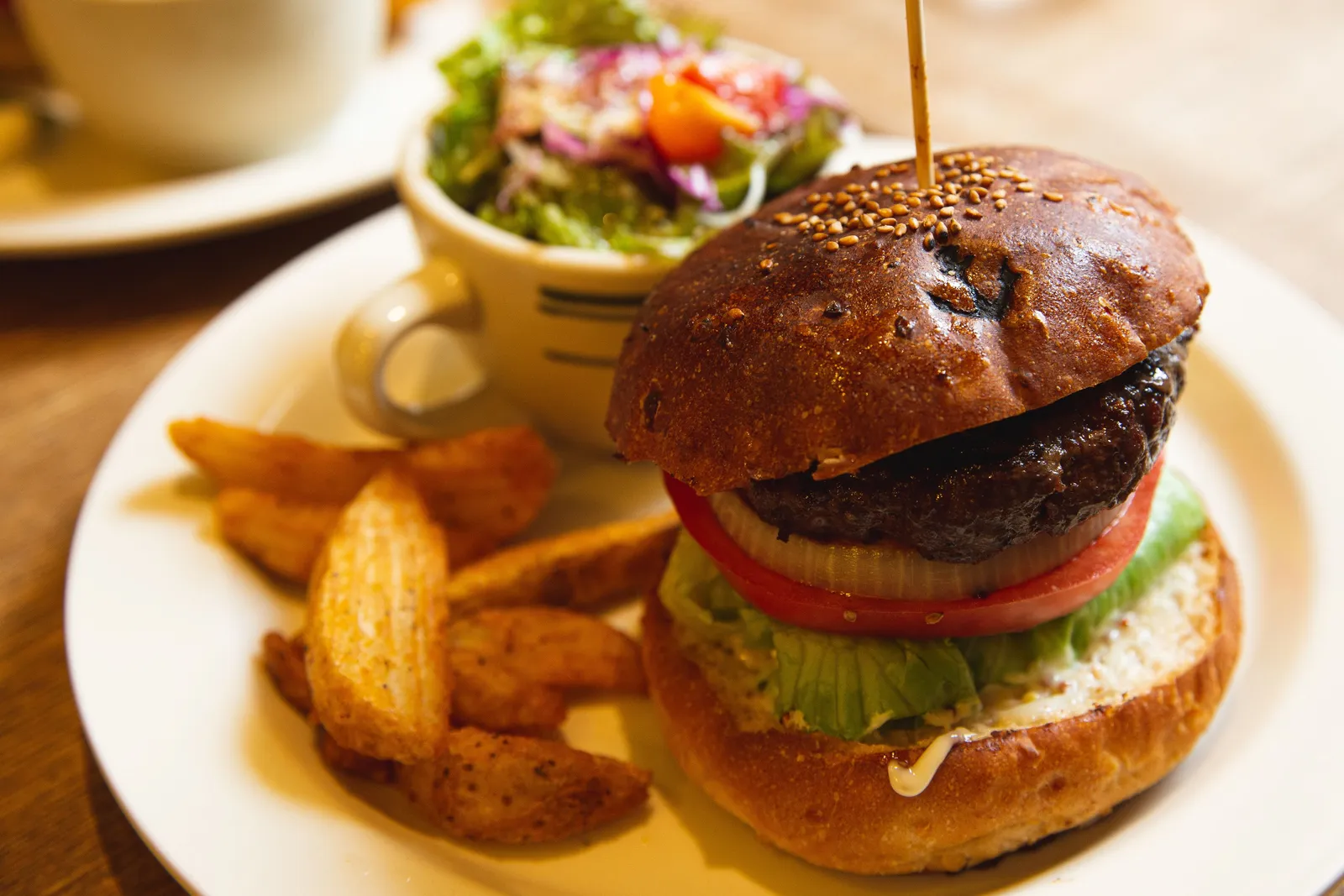
A food cart pod in Portland, Oregon, is a lot where a group of food carts park together and share seating, sometimes with a bar or a covered area. Travel Portland's guide lists pods across the city, and one overview put the total at roughly 25 pods and about 500 carts in 2025. You walk up to a window, order from a short menu, pay at the cart and eat at a shared table or take your food to go.
What is a food cart pod?
Think of a pod as a food hall without a building. Each cart is its own small business with its own owner, menu and hours. The pod gives them a place to park, power and water hookups, and a shared patio. Some pods are a handful of carts on a corner. Others are large lots with a bar, string lights and covered seating that works all year in a rainy city.
Because every cart is independent, there is no single menu and no single set of hours. A pod can have a Georgian dumpling cart next to a taco window and a fried chicken trailer.
Which pods should you try first?
Travel Portland's pod list names several that are good places to start:
- Cartopia (Southeast): described as one of the oldest pods in the city, operating since 2008, and popular with late-night diners.
- Hawthorne Asylum (Southeast): listed among the most popular pods, with more than 20 carts and an adjoining bar.
- Springwater Cart Park (Southeast): described as a larger pod with a full-service bar and over 20 carts.
- Park the Carts (Northeast): a pod of about eleven carts.
- The downtown pod at Pioneer Courthouse Square: convenient if you are visiting the city center.
Carts come and go, and so do whole pods, so use the city's Food Cart Finder or the pod's own social page to see who is open today.
How do you order and pay?
Most carts take cards, and a few are cash only, so carry a little cash. Menus are short and prices are usually lower than a sit-down place for a similar dish. Tipping is customary at the window. If a cart has a line, that is usually a good sign, but it also means a wait, so order from a second cart while you wait for the first.
What about weather and seating?
Portland's winters are wet, and pods have adapted. Many have covered or heated seating, and some enclose a patio in the colder months. In summer, pods are lively until late. Check whether a pod has a covered area before you take children or a large group on a rainy evening.
When are pods busiest?
Lunch on weekdays near offices and universities, and Friday and Saturday evenings at the large pods. A cart that is open for lunch may be closed for dinner. Late-night pods such as Cartopia are the exception, built around the after-dinner crowd. Hours change by season and by cart, so look at the pod's page the same day.
Can you eat well with dietary needs?
Usually yes, because with dozens of carts at a large pod you can find vegan, vegetarian and gluten-free options. Ask the cart directly: small kitchens often share fryers and prep surfaces, and an allergy needs a direct conversation with the person at the window. Do not assume a dish is safe because the cart advertises as vegan or gluten-free.
Is Portland Mercado still open?
Portland Mercado, a market of Latin American food carts and shops, was reported closed after a fire in January 2025. Its status can change, so check before planning a visit rather than relying on an older guide.
How is a pod different from a food truck?
A truck moves, and a cart in a pod mostly does not. A pod cart is usually a trailer or a small structure that stays on the lot for months or years, with a fixed address, so you can find it again. That is why Portland's pods read more like small neighborhood food halls than like a street-food rally. A food truck, by contrast, may park somewhere different each day and announce it on social media. Some carts do both: they stay at a pod most days and take a booking for a private event on others.
How do you plan a pod crawl?
The easy way to eat well at a large pod is to treat it as several small meals:
- Walk the whole lot once and read every menu board.
- Pick one cart for something hot, one for something fried or grilled and one for a sweet ending.
- Order from the cart with the longest line first, then use the wait to order from a second cart.
- Share every plate so you can try more.
- Keep a note of what you liked, since carts rotate their specials.
If you are with a group, one person can hold a table while the others split up. Seating at a busy pod fills on dry weekend evenings.
What should you bring?
Bring a card and some cash, a jacket in any season (Portland evenings cool quickly, even in summer), and an umbrella in the wetter months. If you are visiting with a dog, check the pod's page: many pods are dog friendly on patios, but rules differ. Wet wipes are useful, because most carts serve food that is meant to be eaten by hand.
How do you keep track of the carts you liked?
A pod meal is a lot of small decisions. Mosey is a food-first app where diners find places by dish, mood and neighborhood and rate what they actually ate. A pod with several carts is the kind of place where a rating for the dish, not just the building, is useful, since the best cart at a pod is rarely the one everyone assumes.
More guides to read next:
- Portland food carts and pods: how they work and how to eat at them
- Portland brunch and coffee: waitlists, roasters and how to avoid the line
- Portland farmers markets: PSU, Hollywood and King, and how to shop them
More in the US food guides and the ranked lists of places.
Questions
Common questions
What is a food cart pod in Portland?
A lot where several independent food carts park together and share seating. Each cart sets its own menu and hours.
How many food cart pods does Portland have?
One overview put it at about 25 pods and about 500 carts in 2025. The number changes as pods open and close.
Which Portland pod is open late?
Cartopia in Southeast Portland is described by Travel Portland as popular with late-night diners. Check its page for tonight's hours.
Do Portland food carts take cards?
Most do, but some are cash only. Carry a little cash to be safe.
Are food cart pods open in the rain?
Yes. Many have covered or heated seating, but hours and cart availability change in winter, so check the day you go.
Is it safe for allergies at a food cart?
Ask the person at the window directly. Small kitchens often share equipment, and a vegan or gluten-free label does not remove the risk of cross-contact.
More like this
Read next
Alberta Arts District food guide: where to eat on NE Alberta Street
A guide to eating on Northeast Alberta Street in Portland: brunch, taquerias, ice cream, the Last Thursday street fair, and how to plan a visit around the weather and the crowds.
Best Pizza in Portland Oregon: Slices and Whole Pies
A guide to the best pizza in Portland Oregon: neo-Neapolitan pies, sourdough crusts, slice shops and wood-fired ovens, with the pizzerias guides name.
Best restaurants near me in Portland, Oregon: a neighborhood guide (2026)
How to find a good meal near you in Portland, Oregon in 2026: which neighborhood suits which kind of meal, how the food cart pods fit in, and how to judge what is good right now.
Cheap eats in Portland, Oregon under $15 (2026)
How to eat well in Portland, Oregon for $15 or less: food carts, banh mi, bakeries, lunch counters and happy hours, how to read a price, and why there is no sales tax to add.
