
Food culture
Pacific Northwest Food: Crab, Salmon and Marionberries
Mosey · November 11, 2026 · 4 min read
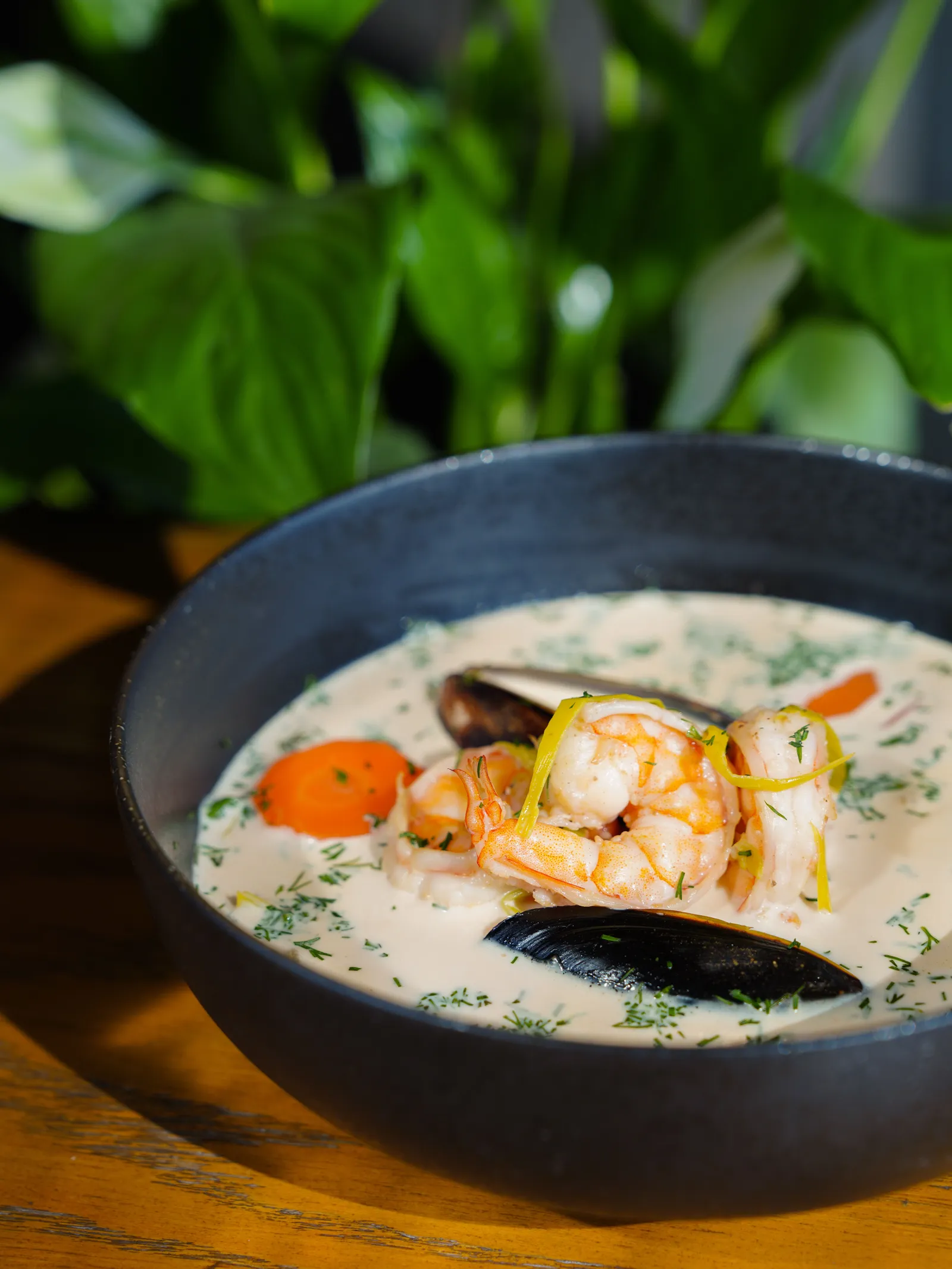
Pacific Northwest food is built on cold water and wet land: crab and salmon from the sea, oysters from the bays, berries and hazelnuts from the valleys and mushrooms from the forests. Washington and Oregon share much of it, from waterfront seafood to a pie at a farm stand.
Pick one part of the region for a trip, such as Seattle and Puget Sound or Portland and the Willamette Valley, and eat what is in season there.
What makes Pacific Northwest food different?
The region's food comes from its geography. The Pacific Ocean and Puget Sound provide seafood. Rainfall and mild temperatures support farms in the Willamette and Skagit valleys. Volcanic soils, cold winters and long summer days make fruit sweet. The result is a cuisine centered on fresh, seasonal ingredients, often served plainly.
Seasons matter more than in many places. Ask what is in season when you order, and let the server steer you toward whatever came in that morning.
When is Dungeness crab season?
Dungeness crab is the region's best-known shellfish. Commercial seasons in Washington and Oregon usually begin in winter, but dates change each year. State agencies announce each season, so check the Washington Department of Fish and Wildlife and the Oregon Department of Fish and Wildlife for current dates. When you eat a whole crab, crack the shell at the table and ask for a bib and a plain lemon wedge.
Crab is sold whole, cooked and cracked, or as crab cakes and chowder. A crab feast with melted butter and lemon is a classic.
Wild salmon Pacific Northwest: how to eat it
Salmon is a symbol of the region. Wild Pacific salmon, including Chinook, coho and sockeye, run at different times, with summer and early fall the best for fresh fish. It is grilled on cedar planks, smoked, cured as lox or served in chowders and sandwiches. Smoked salmon is a good gift to take home.
Ask whether a fish is wild or farmed, and which species. The flavors and textures differ, and a good fishmonger or server can explain the difference in a sentence.
What is geoduck?
Geoduck (pronounced gooey-duck) is a very large burrowing clam native to the region's waters. It is sliced thin and eaten raw as sashimi, or cooked in stir-fries and chowders. Its long neck, which sticks out of the shell, surprises visitors, and its flavor is sweet and briny with a crisp texture.
You are most likely to find it in Seattle's Asian restaurants and seafood markets. Try it once and see.
Oysters and shellfish from Puget Sound
Oysters are grown in bays and inlets along the coast and Puget Sound, and shucking houses and oyster bars serve them raw, grilled or fried. Each bay gives a distinct flavor. Clams, mussels and spot prawns appear seasonally.
Raw shellfish carries a risk, so buy from reputable restaurants and markets. Ask about the harvest area and any closures.
Marionberry pie and other fruit
The marionberry, a blackberry developed in Oregon, is the state's signature fruit. It is sweet and complex, and appears in pies, jams, ice cream and cobblers. Farm stands sell fresh berries in July. Raspberries, blueberries, cherries and apples also grow well, and Washington is one of the country's largest apple producers.
Look for pie slices at cafes and bakeries, and for flats of berries at farm stands.
Hazelnuts, mushrooms and wine
Oregon grows nearly all of the hazelnuts in the United States. Wild mushrooms, including chanterelles, appear in the fall. The Willamette Valley in Oregon and the Columbia Valley in Washington are wine regions, and many wineries have restaurants or picnic areas.
What about coffee, beer and chowder?
The Northwest is known for coffee culture, and a good cafe is never far away. Craft breweries are everywhere, many with food trucks, and cideries use the region's apples. Chowder, usually clam, is a rainy-day staple on the coast, served in a bread bowl or a cup at a waterfront stand.
If you want a warming meal on a wet day, chowder and a pot of tea or a strong coffee is the local answer. By season, spring brings asparagus, spot prawns and morels; summer is the peak of berries, cherries and salmon; fall has apples, pears, mushrooms and the wine harvest; and winter brings oysters and crab and the quietest roads on the coast. Plan your trip around the food you most want to eat, and ask local cooks what is best that week.
How should you plan a Pacific Northwest food trip?
Pick a region: Seattle and Puget Sound, the Washington coast and the Olympic Peninsula, Portland and the Willamette Valley or the Oregon coast. Expect rain from fall through spring, and carry a waterproof jacket. Book popular restaurants ahead on weekends.
For a dinner out, read about date night restaurants in Seattle. For other seafood, see the Maine lobster roll guide and the Honolulu poke guide. The whole country is on the US guides page.
Crab, salmon, oysters and berries come and go with the seasons, so notes matter. Get the Mosey app, rate what you eat by dish, and keep a Northwest list for next year's trip.
Questions
Common questions
When is Dungeness crab season in the Pacific Northwest?
Dungeness crab seasons vary by year, so the dates are not fixed. Commercial seasons in Washington and Oregon usually begin in winter, and state agencies announce the dates, so check before you plan a trip around crab. Dungeness is the region's best-known shellfish.
What is a marionberry?
A marionberry is a blackberry developed in Oregon, and it is the state's signature fruit, sweet and complex in flavor. In the Pacific Northwest it appears in pies, jams, ice cream and cocktails, and a slice of marionberry pie at a farm stand in summer is a classic stop.
What is geoduck?
Geoduck, pronounced gooey-duck, is a very large burrowing clam native to Pacific Northwest waters. It is sliced thin and eaten raw as sashimi, or cooked in a soup or a stir-fry. It is an acquired taste, so ask for a small portion the first time.
What's the best way to keep a list of Pacific Northwest food stops to share?
Mosey is a food app for finding good places to eat, with ratings by the dish and lists you can share. Rate each Pacific Northwest stop by the dish, such as the chowder, add a tag like Fresh Seafood, and share a list. Follow friends to see what they rate.
Which salmon is best in the Pacific Northwest?
Chinook, coho and sockeye all have fans, and wild Pacific salmon run at different times, with summer and early fall the best seasons to eat it. Ask the server or fishmonger which is in season, and choose it plainly cooked so the flavor of the fish comes through.
More like this
Read next
Adams County Apples and Cider Near Gettysburg
Adams County apples grow in the orchards around Gettysburg: varieties, cider, pies and doughnuts, how to visit a farm market and how to rate what you taste.
Amherst Cider Donuts: Orchards, Farm Stores and Fall Pies
Amherst cider donuts and the fall farm season around them: what a cider donut is, where the valley makes them, how apple picking works and what to bake after.
Appalachian Food: Pepperoni Rolls, Ramps and Beans
A guide to Appalachian food: the West Virginia pepperoni roll, wild ramps, soup beans and cornbread, apple stack cake and how to find them on a mountain drive.
Arizona food festivals: Tucson Meet Yourself, Scottsdale and more
A guide to the long-running food festivals in Arizona, from Tucson Meet Yourself in the fall to the Scottsdale Culinary Festival in spring, and how to plan for each.
