
Food culture
New York pizza styles and how to choose a slice shop
Mosey · November 11, 2026 · 5 min read
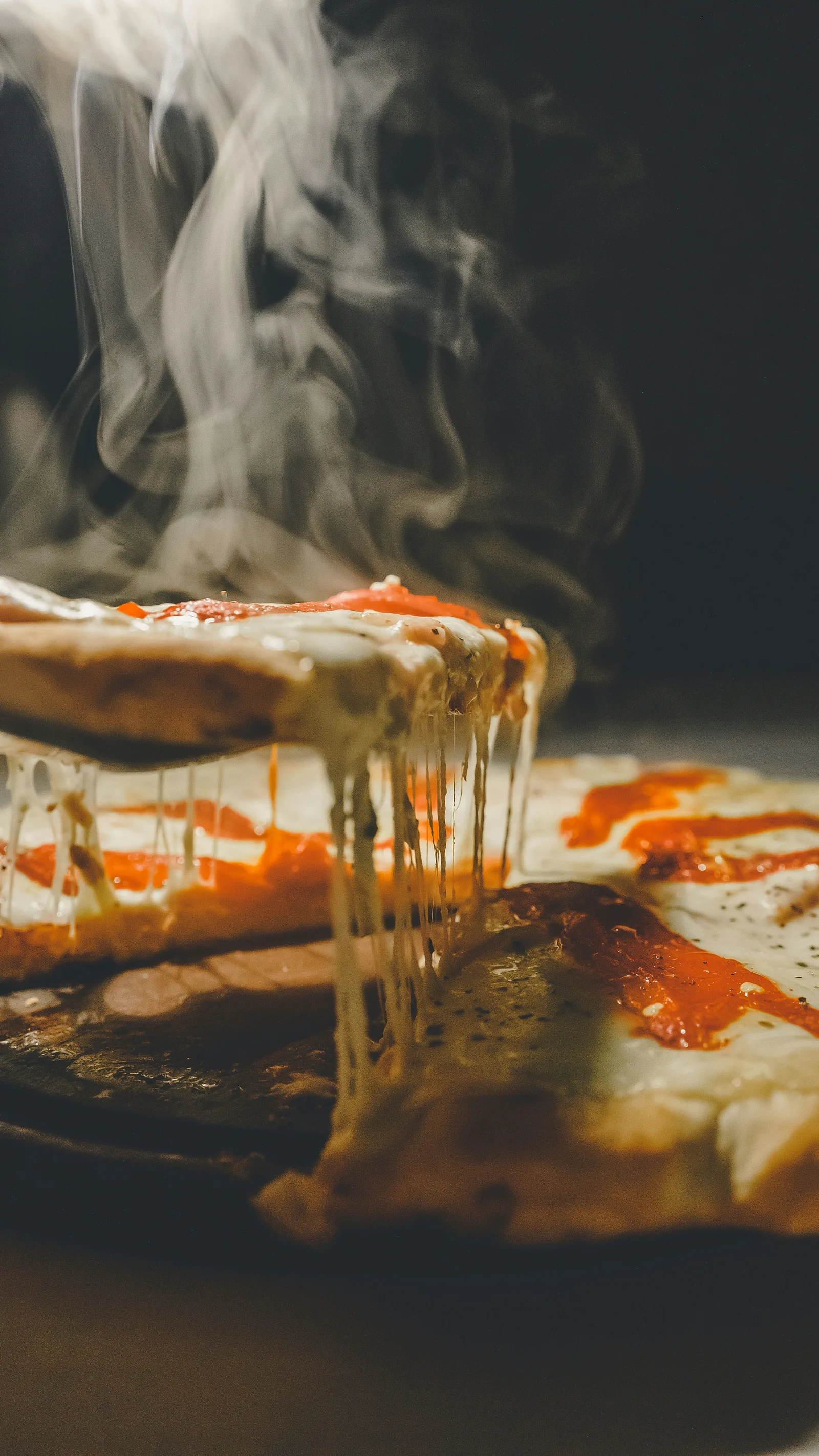
New York pizza is really several pizzas. The classic is the New York slice: a wide, thin, foldable triangle from a large round pie, sold by the slice and reheated to order. Alongside it you will find thick Sicilian squares, thinner grandma squares and small, soft-centered Neapolitan pies, and the best way to eat your way through the city is to know which is which.
What is a New York style slice?
The New York slice grew out of the pizza Neapolitan immigrants brought to the city. It is hand-tossed into a large, thin round, topped with a moderate layer of seasoned tomato sauce and mozzarella, and cut into big triangles. The crust is thin enough to bend but sturdy enough to hold, which is why New Yorkers fold it lengthwise and eat it on the go. The basic version is called a "plain" slice, not a cheese slice.
Where did New York pizza start?
The first licensed pizzeria in the United States is generally credited to an Italian immigrant who ran a grocery in what is now Nolita and received a license to operate a pizzeria in 1905. A pizzeria with a coal-fired oven still operates today near the corner of Spring and Mott streets, after closing in 1984 and reopening nearby in 1994. Coal ovens, which burn very hot, are part of how the early pizzerias got their charred, crisp crusts.
What are the main New York pizza styles?
| Style | What it is | How it eats |
|---|---|---|
| New York slice | Large thin round, sold by the slice | Folded, by hand |
| Sicilian | Thick, airy square from a sheet pan | By hand, often with a napkin underneath |
| Grandma | Thinner square, often cheese first then sauce | By hand, crisp at the edges |
| Neapolitan | Small round with a soft, charred, puffy rim | Often with a knife and fork |
| Whole pie | Any style, ordered as a full pizza | Shared at the table or at home |
What is the difference between a Sicilian and a grandma slice?
Both are square, and that is where the similarity ends. Sicilian squares came to New York through Sicilian immigrant bakeries in the early twentieth century and descend from sfincione, a thick, olive-oil-rich focaccia topped with tomato. The result is a thick, fluffy base with a crisp bottom.
The grandma pie is thinner, cut into rectangles, and associated with Italian-American home cooking on Long Island, where pizzerias helped popularize it in later decades. It is often built with the cheese on the dough first and the sauce on top, so the edges crisp up in the pan. If you like crust, get a Sicilian; if you like a crisp, saucy bite, get a grandma.
How do you order at a New York slice shop?
Walk up to the counter and point. Ask for a plain slice, or name a topping slice from the pies sitting on the counter. The counter staff will usually put your slice back in the oven for a minute or two to reheat it; that quick reheat is part of the experience, and it crisps the base. Pay, grab a paper plate and a napkin, and add garlic powder, dried oregano, red pepper flakes or grated cheese from the shakers if you like.
To eat it, hold the crust and pinch the sides together into a U shape. The fold keeps the tip from flopping and the oil from running down your wrist. Many people eat standing at the counter or on the sidewalk.
How do you tell a good slice shop from an average one?
A few signs help:
- Turnover. A busy counter means pies come out of the oven often and slices do not sit for long.
- A crisp bottom. Lift the slice. The underside should be browned and dry, not pale or soggy.
- Balance. Sauce and cheese should not slide off the slice when you fold it.
- A plain slice worth eating. The plain is the baseline. If the plain slice is good, the toppings usually are too.
- Squares on the counter. Many good shops make a Sicilian or grandma pie as well as round pies.
When should you sit down for a whole pie?
Sit-down pizzerias, including the older coal-oven places and the newer Neapolitan restaurants, usually serve whole pies only, not slices. Neapolitan pizza is small, with a thin, soft center that does not hold up to folding, and it is meant to be eaten as soon as it leaves the oven, often with a knife and fork. Expect to wait in line at well-known places, especially on weekends, and check whether a place takes reservations before you go.
What should you know about paying and tipping at a pizzeria?
At a slice counter, you pay at the register and tipping is optional, though many people drop change in a tip jar. At a sit-down pizzeria with table service, tip as you would at any restaurant, typically 18 to 20 percent. New York City sales tax on restaurant food is 8.875 percent, so the total on the check will be higher than the menu prices; check the current rate if you are budgeting closely. Some smaller shops prefer cash or have a card minimum.
How to keep track of the slices you love
Everyone in New York has an opinion about the best slice, and the only way to form your own is to eat a lot of them. On Mosey you can rate the places you eat and the dishes you order, with photos, and keep a list of the slice shops you want to try next, so you remember which corner place had the crisp grandma square.
More guides to read next:
- Manhattan Chinatown food guide: dim sum, dumplings and bakeries
- NYC restaurant letter grades: what A, B, C and Grade Pending mean
- Best restaurants near me in New York City: a borough guide (2026)
More in the US food guides and the ranked lists of places.
Questions
Common questions
What is a plain slice in New York?
A plain slice is the basic New York cheese slice: thin crust, tomato sauce and mozzarella. New Yorkers say plain rather than cheese.
What is the difference between Sicilian and grandma pizza?
Sicilian is thick and airy from a sheet pan. Grandma is thinner, cut into rectangles and often topped with cheese before the sauce.
Where was the first pizzeria in the United States?
It is generally credited to a Nolita grocer who received a pizzeria license in 1905. A pizzeria there still operates today.
Why do slice shops reheat the slice?
Most shops reheat a slice from a pie on the counter for a minute or two, which warms it through and crisps the base.
How do you eat a New York slice?
Hold the crust and fold the slice lengthwise into a U shape so the tip stays up.
Do you tip at a New York pizza place?
At a counter it is optional. At a sit-down pizzeria with table service, 18 to 20 percent is typical.
More like this
Read next
Adams County Apples and Cider Near Gettysburg
Adams County apples grow in the orchards around Gettysburg: varieties, cider, pies and doughnuts, how to visit a farm market and how to rate what you taste.
Amherst Cider Donuts: Orchards, Farm Stores and Fall Pies
Amherst cider donuts and the fall farm season around them: what a cider donut is, where the valley makes them, how apple picking works and what to bake after.
Appalachian Food: Pepperoni Rolls, Ramps and Beans
A guide to Appalachian food: the West Virginia pepperoni roll, wild ramps, soup beans and cornbread, apple stack cake and how to find them on a mountain drive.
Arizona food festivals: Tucson Meet Yourself, Scottsdale and more
A guide to the long-running food festivals in Arizona, from Tucson Meet Yourself in the fall to the Scottsdale Culinary Festival in spring, and how to plan for each.
