
City guide
Best food halls and markets in New York City (2026)
Mosey · November 11, 2026 · 5 min read
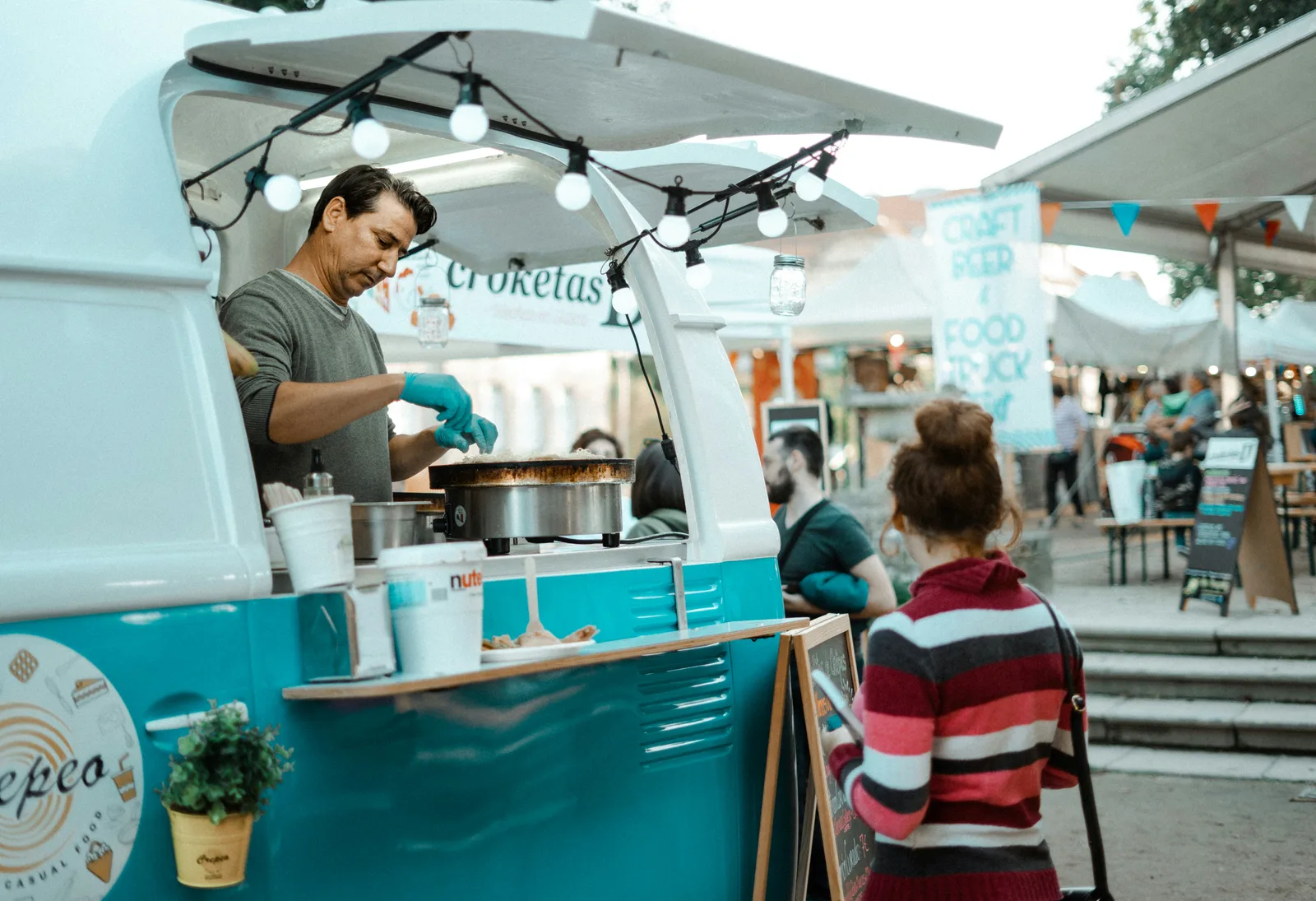
New York has more food halls and markets than most visitors can fit into a trip, and they suit different needs. Some are old public markets that sell groceries, some are modern halls that gather restaurants under one roof, and some are outdoor weekend markets. Pick by what you need: groceries and a cheap lunch, a hall full of choices, or a weekend outdoors.
What is the difference between a market and a food hall?
A market is generally a place to buy food to cook at home: produce, meat, fish, cheese and bread, often with a few places to eat. A food hall is a collection of restaurant counters that share seating and often a bar, aimed at diners who want choice. Many New York spaces do both. Markets tend to be cheaper and more local in character, while food halls are convenient for groups where everyone wants something different. Both are busiest at lunch and on weekends.
What is Chelsea Market?
Chelsea Market, in the Meatpacking District and Chelsea area, occupies a former Nabisco factory. Its dozens of vendors sell seafood, tacos, bakery items, sandwiches, ice cream and gifts. It is busy and often crowded, particularly in the afternoon and on weekends, so a morning visit is more comfortable. Walk through the hall once before choosing, and take a snack to the High Line, the elevated park a short walk away.
Where else in Midtown can you get a quick lunch?
Midtown has food halls and market stalls near the major stations, which makes them useful for a quick lunch or for picking up food before a train. Vendors rotate, so walk the hall once before you choose.
What is Essex Market?
Essex Market is a public market on the Lower East Side, now in a newer, larger space, with a wide mix of vendors, from tacos to dim sum. It is a good place to combine a meal with grocery shopping, and it avoids the lines at the nearby delis.
What is Smorgasburg?
Smorgasburg is an outdoor weekend food market, open in the warmer months, with dozens of vendors. Go early, bring cash as well as a card, and share dishes.
Where else can you look?
Other halls and public markets, including some in Queens and the Bronx, serve local communities. The Arthur Avenue Retail Market in the Bronx is an old-style indoor market that rewards the subway ride.
How do you use a market well?
Go early on a weekday for the best choice and the shortest lines. Carry a reusable bag, and a small cooler bag if you buy fish or dairy. Eat first and shop second, or vice versa, but not both when hungry. If you have allergies, ask each vendor, because shared equipment is common. Tip at counters where staff make your order and bring it to your table, and round up elsewhere.
How do you plan a market day?
Choose one or two markets and leave space between them. A good pairing is Essex Market and the delis of the Lower East Side in the morning, followed by a walk to the East Village for coffee. Another is Chelsea Market and the High Line, then the Meatpacking District's streets. Each market is near a subway stop, and walking between them is part of the pleasure. Look at opening times first, since some markets close in the early evening and others open late. Weekday mornings are the best time for a calm visit. If you are traveling with children, a market lets each family member choose, and the noise hides a restless child.
What should you watch for on prices?
Prices in tourist-heavy halls are higher than in neighborhood markets, and a small cup of soup or a single taco can cost as much as a full lunch elsewhere. Look at several counters before buying, read the price per pound for fish and cheese, and ask about weight before the vendor cuts. Tax applies to prepared food, and some stalls add a card surcharge or have a card minimum, so check signs at the register. Neighborhood markets such as Essex Market and the Arthur Avenue Retail Market usually offer better value than the most famous halls.
A hall works best when you go without a fixed plan. Walk the whole space once before you buy, see what the lines look like, and then choose. Go at an off-peak time, because midday and weekend afternoons can be crowded and loud, and seating is limited. Check the hours of each vendor, since not all stalls keep the same schedule as the building. If you have a dietary need, ask the vendor about ingredients, and keep your receipt in case you need to return to the same stall. For a calmer meal, try a neighborhood market on a weekday morning.
How do you remember which hall stall was worth the line?
A food hall puts dozens of choices in front of you and gives you nothing to remember them by. In the Mosey app, rate the taco, the dumpling or the pastry by the dish, add a tag such as Market Stall or Group Dining, and keep a list for each market you visit. Share the list with the friend you are meeting there, and they can add the stall they swear by. Follow friends who eat at Chelsea Market or Essex Market more than you do and their ratings will help you choose next time.
Rate your next market lunch in the Mosey app and give the next visitor a head start.
More guides to read next:
- Manhattan Chinatown food guide: dim sum, dumplings and bakeries
- Restaurants open on Christmas Day and Thanksgiving in New York
- Tipping and sales tax at New York City restaurants (2026)
More in the US food guides and the ranked lists of places.
Questions
Common questions
What is the difference between a food hall and a market?
A market mostly sells food to cook at home, while a food hall is a group of restaurant counters with shared seating. Many New York spaces combine both.
Is Chelsea Market worth visiting?
It is popular and convenient, with dozens of vendors, but it is crowded in the afternoon and at weekends. Go in the morning.
What is Smorgasburg?
An outdoor weekend food market with dozens of vendors, open in the warmer months. Go early and share dishes to taste more.
Is Essex Market a good lunch stop?
Yes. It has a wide range of vendors and avoids the lines at nearby delis.
Do food halls take cards?
Most vendors do, but open-air markets are easier with some cash.
More like this
Read next
Food Worth a Drive in Alabama: Barbecue to the Gulf
Food worth a drive in Alabama, from white sauce chicken in Decatur to ribs in Tuscaloosa and Gulf oysters in Mobile, with three routes and tips for each stop.
Food Worth a Drive in Alaska: Seward Highway and Homer
A guide to food worth a drive in Alaska: Anchorage restaurants, Girdwood on the Seward Highway, fresh fish in Homer and where to stop in Seward.
Capital Region food: Albany, Troy and Saratoga Springs
A guide to eating around Albany, Troy and Saratoga Springs: the Troy waterfront farmers market, Saratoga race-season reservations, Albany neighborhoods and how far ahead to book.
Alberta Arts District food guide: where to eat on NE Alberta Street
A guide to eating on Northeast Alberta Street in Portland: brunch, taquerias, ice cream, the Last Thursday street fair, and how to plan a visit around the weather and the crowds.
