
Food culture
New York bagels, delis and appetizing shops: a guide to what to order
Mosey · November 11, 2026 · 5 min read
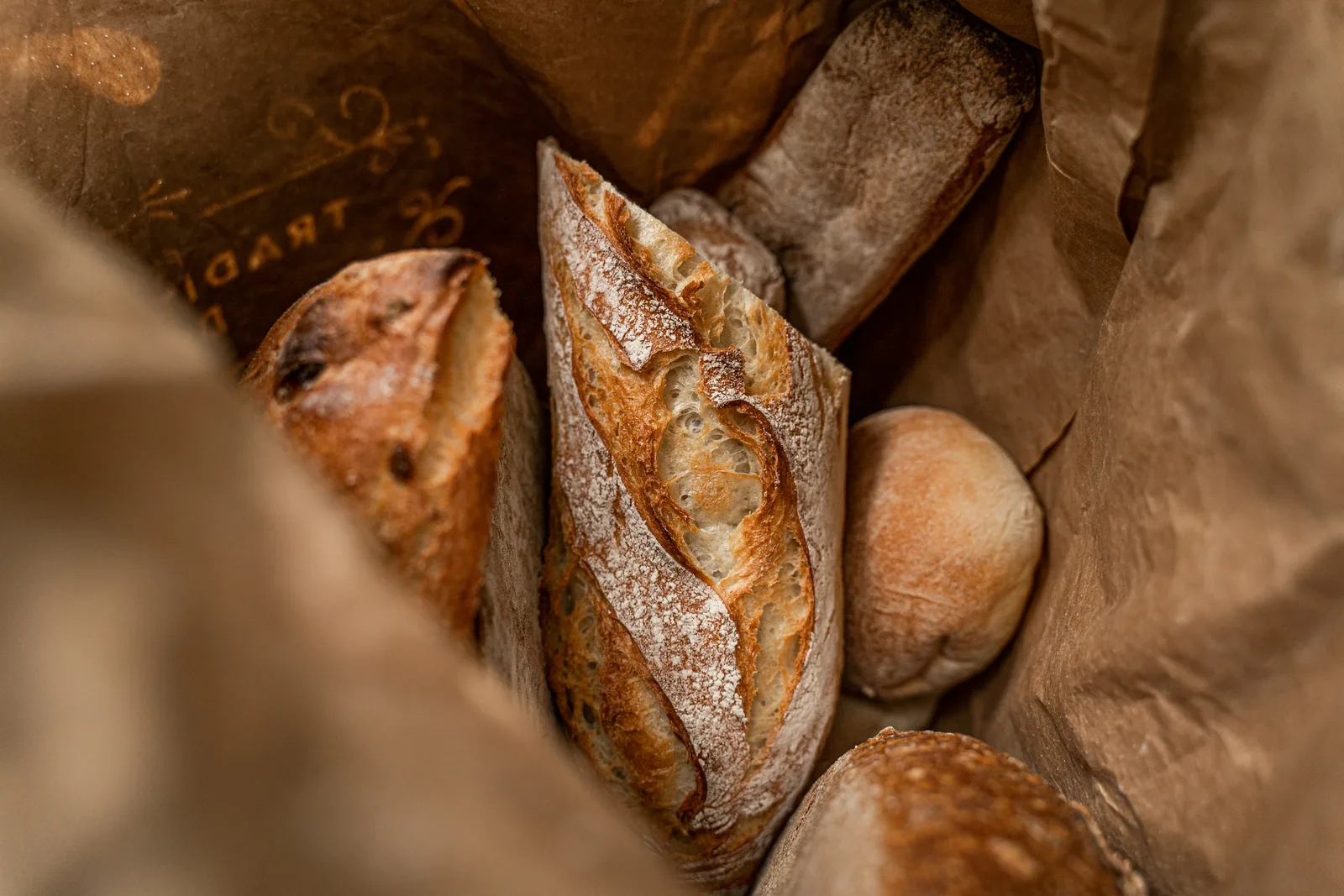
A real New York bagel is boiled before it is baked, which gives it a shiny, chewy crust and a dense center. Bagels came to the city with Jewish immigrants from Eastern Europe and grew up on the Lower East Side alongside two related institutions: the Jewish delicatessen, for cured meats like pastrami, and the appetizing shop, for smoked fish and cream cheese. Knowing the difference makes ordering much easier.
Why are New York bagels boiled?
Traditional bagel dough is shaped into rings, rested in the cold for hours, then boiled for about a minute before baking. The boil sets the outside before the bagel goes into the oven, which is what gives it a glossy, chewy crust and a tight, dense crumb rather than the soft texture of a bread roll. A bagel that was steamed or only baked will look similar but eat very differently.
Where do New York bagels come from?
The bagel's history reaches back to Poland, where it appears in Jewish community records in Krakow in the early 1600s. Immigrants brought it to New York in the late nineteenth century, and bagel bakeries clustered on the Lower East Side, where bakers worked long hours in hot basement bakeries. By 1900 there were around seventy bagel bakeries in the neighborhood. In 1907 bagel bakers formed their own union, Local 338, which for decades shaped how and where bagels were made in the city.
What is the difference between a bagel and a bialy?
A bialy, named for the Polish city of Bialystok, is a flat, round roll with a shallow dip in the middle filled with cooked onion and sometimes poppy seeds. It has no hole and it is not boiled, so it has a lighter crumb and a crisp, matte crust. Bialys are often sold in bagel shops, and they are worth trying if you have only ever had bagels.
How do you order a bagel in New York?
| What to say | What you get |
|---|---|
| Everything with scallion cream cheese | An everything bagel spread with cream cheese mixed with scallions |
| Toasted or not toasted | Purists say a fresh bagel needs no toasting; ask what is warm |
| A schmear | A spread, usually of plain cream cheese |
| Lox and cream cheese | Thin slices of cured salmon over cream cheese, often with tomato, red onion and capers |
| Whitefish salad | A creamy smoked fish salad, a classic bagel topping |
| Bacon, egg and cheese | The city's signature breakfast sandwich, on a bagel or a roll |
Lines move fast at a busy bagel shop, so know your order before you reach the counter, say the bagel first and then the spread.
What is the difference between a deli and an appetizing shop?
The split comes from kosher dietary law, which keeps meat and dairy apart. A Jewish delicatessen sold cured and cooked meats: pastrami, corned beef, tongue, salami, brisket and chopped liver. An appetizing shop sold the dairy side: smoked, cured and pickled fish such as lox, herring and whitefish, along with cream cheese, butter and bagels. A simple way to remember it: meat goes to the deli, fish goes to the appetizing shop.
Two long-running Lower East Side institutions show the difference well. A delicatessen on East Houston Street, in business since the 1880s, is famous for pastrami. A few blocks away, an appetizing shop has sold smoked fish and spreads since the 1910s, at its East Houston Street shop since 1920.
How do you order a pastrami sandwich at a classic deli?
Pastrami is cured, spiced and smoked beef, sliced and piled onto rye bread, usually with mustard, and it is the sandwich the Jewish deli is best known for. Classic delis also serve corned beef, salami, brisket and chopped liver, and portions are famously generous, so consider sharing. Ordering systems differ from deli to deli, some at a counter and some with table service, so look around or ask how it works when you walk in.
What is a bacon, egg and cheese?
The bacon, egg and cheese, often shortened to BEC, is New York's everyday breakfast sandwich, made at carts, delis and bodegas across all five boroughs. A typical one is fried eggs, bacon and American cheese on a kaiser roll or a bagel. The traditional order runs together as one phrase: bacon, egg and cheese, salt, pepper, ketchup, on a roll. It is fast, cheap and the most New York way to start a morning.
When is the best time to go?
Bagel shops are busiest on weekend mornings, when lines can stretch out the door; early weekday mornings are calmer and the bagels are at their freshest. Famous delis draw long lines at lunch and on weekends, and appetizing shops are especially busy around Jewish holidays. Hours vary, so check before you go.
How to remember your favorite bagel
New Yorkers are loyal to their local bagel shop, and the only way to find yours is to try a few. On Mosey you can rate the places you eat and the dishes you order, with photos, keep a list of bagel shops and delis to try, and follow friends to see where they go for a schmear.
More guides to read next:
- Manhattan Chinatown food guide: dim sum, dumplings and bakeries
- Brunch in New York: how it works and how to skip the wait
- How to get a reservation at a hard-to-book New York restaurant
More in the US food guides and the ranked lists of places.
Questions
Common questions
Why are New York bagels chewy?
They are boiled for about a minute before baking, which sets a shiny, chewy crust and gives a dense crumb.
What is a bialy?
A flat roll from the Polish city of Bialystok tradition, with an onion-filled dip in the middle. It is not boiled and has no hole.
What is the difference between a deli and an appetizing shop?
A deli sells cured meats like pastrami and corned beef. An appetizing shop sells smoked fish, cream cheese and bagels, following the kosher separation of meat and dairy.
What does schmear mean?
A spread on a bagel, usually cream cheese.
What is a BEC?
A bacon, egg and cheese sandwich, New York's classic breakfast sandwich, usually on a roll or a bagel with salt, pepper and ketchup.
Is Katz's Delicatessen still open?
Yes. Katz's has operated on East Houston Street on the Lower East Side since 1888. Check hours before you go.
More like this
Read next
Adams County Apples and Cider Near Gettysburg
Adams County apples grow in the orchards around Gettysburg: varieties, cider, pies and doughnuts, how to visit a farm market and how to rate what you taste.
Amherst Cider Donuts: Orchards, Farm Stores and Fall Pies
Amherst cider donuts and the fall farm season around them: what a cider donut is, where the valley makes them, how apple picking works and what to bake after.
Appalachian Food: Pepperoni Rolls, Ramps and Beans
A guide to Appalachian food: the West Virginia pepperoni roll, wild ramps, soup beans and cornbread, apple stack cake and how to find them on a mountain drive.
Arizona food festivals: Tucson Meet Yourself, Scottsdale and more
A guide to the long-running food festivals in Arizona, from Tucson Meet Yourself in the fall to the Scottsdale Culinary Festival in spring, and how to plan for each.
