
City guide
Eating in the French Quarter without the tourist traps
Mosey · November 11, 2026 · 5 min read
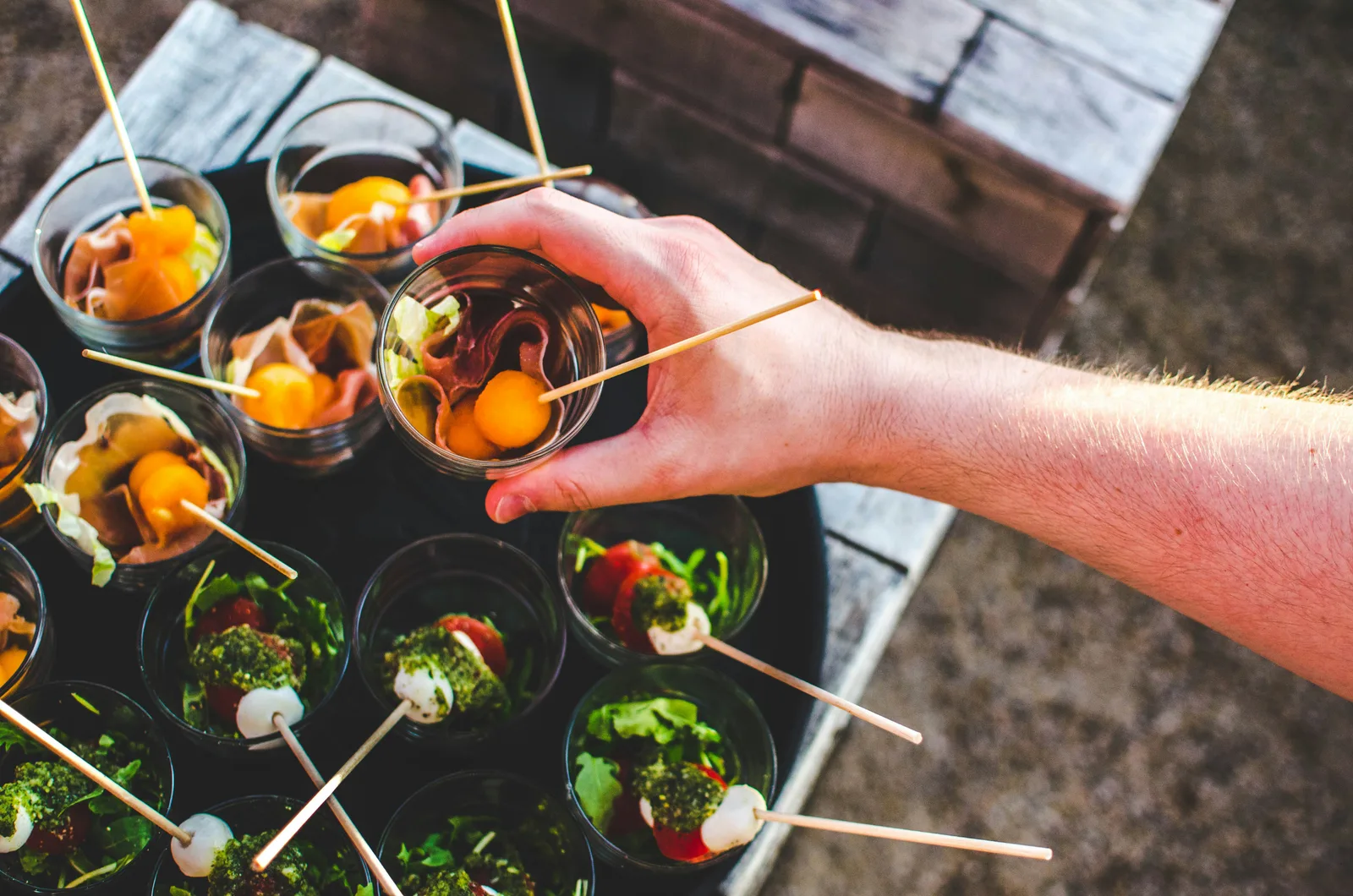
You can eat very well in New Orleans' French Quarter, but you have to be choosy. The neighborhood's oldest dining rooms, its Creole classics and a handful of long-running institutions sit side by side with places built purely for passing crowds, especially on Bourbon Street. The short version: step a block or two off Bourbon, eat what New Orleans is known for, check recent opinions before you sit down, and save some meals for neighborhoods beyond the Quarter.
Is Bourbon Street a tourist trap for food?
Mostly, yes. Bourbon Street is the most famous street in the city and well worth seeing once, but people who live in New Orleans rarely spend time there unless they work there. In the 1950s and 1960s it was known for burlesque shows and jazz clubs; today much of the street is oversized drinks, loud bars and chain-style food aimed at people who will never return. There are exceptions, including some of the city's oldest restaurants, but as a rule, do not pick a meal by walking down Bourbon and choosing whatever has a free table.
Which French Quarter streets are better for eating?
- Decatur Street, toward the river, has long been lower-key, with neighborhood bars and restaurants among the souvenir shops. It is also home to the French Market and an old Italian grocery.
- Royal Street, one block from Bourbon, is quieter and lined with art galleries and antique shops, with restaurants and cafes along the way.
- The side streets, such as those running between Royal and Decatur, hold many of the smaller, older places.
- Frenchmen Street, just outside the Quarter in the Marigny, is known as the locals' Bourbon Street, with music clubs, bars and restaurants and a calmer crowd.
The French Market, at the downriver end of Decatur Street, is worth a wander between meals. Beyond the famous coffee stand, its stalls and shops sell snacks, souvenirs and crafts, and on Sunday afternoons it turns into a flea market with inexpensive jewelry, posters and clothes. It is a good place to graze, and an easy landmark to meet people at.
What should you eat in the French Quarter?
Order what New Orleans does best:
| Dish | What it is |
|---|---|
| Gumbo | A thick stew served over rice, in seafood or chicken and sausage versions |
| Po'boy | A sandwich on crackly New Orleans French bread, often with fried seafood |
| Muffuletta | A round sesame loaf with cold cuts and olive salad |
| Jambalaya | Rice cooked with meat or seafood and seasonings |
| Beignets | Fried squares of dough under powdered sugar, with cafe au lait |
| Raw oysters | Shucked to order at oyster bars |
Which French Quarter food institutions are worth it?
A few famous names really are worth the line. A coffee stand in the French Market has been serving beignets and cafe au lait since 1862. An Italian grocery on Decatur Street, credited with inventing the muffuletta, was reported to have reopened in December 2024 after more than three years of repairs following Hurricane Ida. The Quarter also has old-line Creole dining rooms that have changed little in generations; some expect jackets for men at dinner, so check the dress code before you go.
How do you spot a tourist trap in the French Quarter?
Watch for a few warning signs:
- Staff on the sidewalk trying to pull you in.
- Huge laminated menus with photos of every dish and a little of every cuisine.
- Giant novelty drinks as the main attraction.
- A menu that could belong to any city, with "Cajun" sprinkled on top.
Good signs include a short menu focused on Louisiana food, a mix of locals and visitors, and recent ratings from people who actually ate there, ideally with photos of the dishes.
When should you eat in the French Quarter?
Lunch is often the best value. Many sit-down restaurants are calmer at midday, and some long-running places are known for long, leisurely lunches. Weekend brunch is popular, so reserve if you can. In the evening, book ahead for well-known restaurants, especially during festivals and big events, when the city fills up. Hours and days can change, so check before you go.
Should you eat outside the French Quarter too?
Yes. Some of the best eating in New Orleans is in other neighborhoods: the Marigny and the Bywater downriver, the Garden District and Uptown, and Mid-City. Po'boy shops, neighborhood restaurants and corner bars in those areas are where many locals eat. Spend a meal or two in the Quarter, then head out for the rest.
What should you know about tipping and the check?
New Orleans follows the usual American custom: at table-service restaurants, a tip for your server is expected and is added on top of the check. Sales tax is added to restaurant checks, and the rate depends on where you are, so check the receipt. At counters and coffee stands, tipping is more relaxed.
Before you sit down anywhere, it helps to know what the last person ordered and whether they would go back. On Mosey you can rate places and dishes with photos, keep a list of places to try in New Orleans and follow friends who have been.
More guides to read next:
- Po'boys and muffulettas: New Orleans sandwiches explained
- Beignets and cafe au lait in New Orleans: a visitor's guide
- Crawfish season in New Orleans: when to go and how to eat a boil
More in the US food guides and the ranked lists of places.
Questions
Common questions
Is it worth eating on Bourbon Street?
Mostly not. There are a few exceptions, but much of the food on Bourbon Street is aimed at passing crowds. Look a block or two away.
Where do locals go instead of Bourbon Street?
Frenchmen Street, just outside the French Quarter in the Marigny, is known for music clubs, bars and restaurants.
What food should you try in the French Quarter?
Gumbo, po'boys, a muffuletta, jambalaya, raw oysters, and beignets with cafe au lait.
Do some French Quarter restaurants have dress codes?
Yes. Some old-line Creole restaurants expect jackets for men at dinner. Check before you go.
Is lunch a good time to eat in the French Quarter?
Yes. Midday is often calmer and better value than dinner at sit-down restaurants.
Should you eat outside the French Quarter?
Yes. The Marigny, Bywater, Garden District, Uptown and Mid-City are where many locals eat.
More like this
Read next
Barbecue Shrimp in New Orleans: Butter, Pepper and Bread
Barbecue shrimp in New Orleans has no grill or barbecue sauce, just shell-on shrimp in butter and pepper. Learn the origin, how to eat it and how to rate it.
Become a Local Champion in New Orleans
Become a Local Champion in New Orleans by rating five places, answering three Top 3 questions and making a list, from beignets and gumbo to the French Quarter.
Best Oysters in New Orleans: Raw, Chargrilled and Fried
A guide to the best oysters in New Orleans: raw on the half shell, chargrilled in garlic butter, fried in a loaf, and the oyster bars that come up most often.
Brunch in New Orleans: Jazz, Eggs Sardou and Courtyards
A guide to brunch in New Orleans: the jazz brunch tradition, eggs Sardou and Bananas Foster, courtyards in the French Quarter and why reservations matter.
