
City guide
Lower East Side food guide: delis, knishes and Essex Market
Mosey · November 11, 2026 · 5 min read
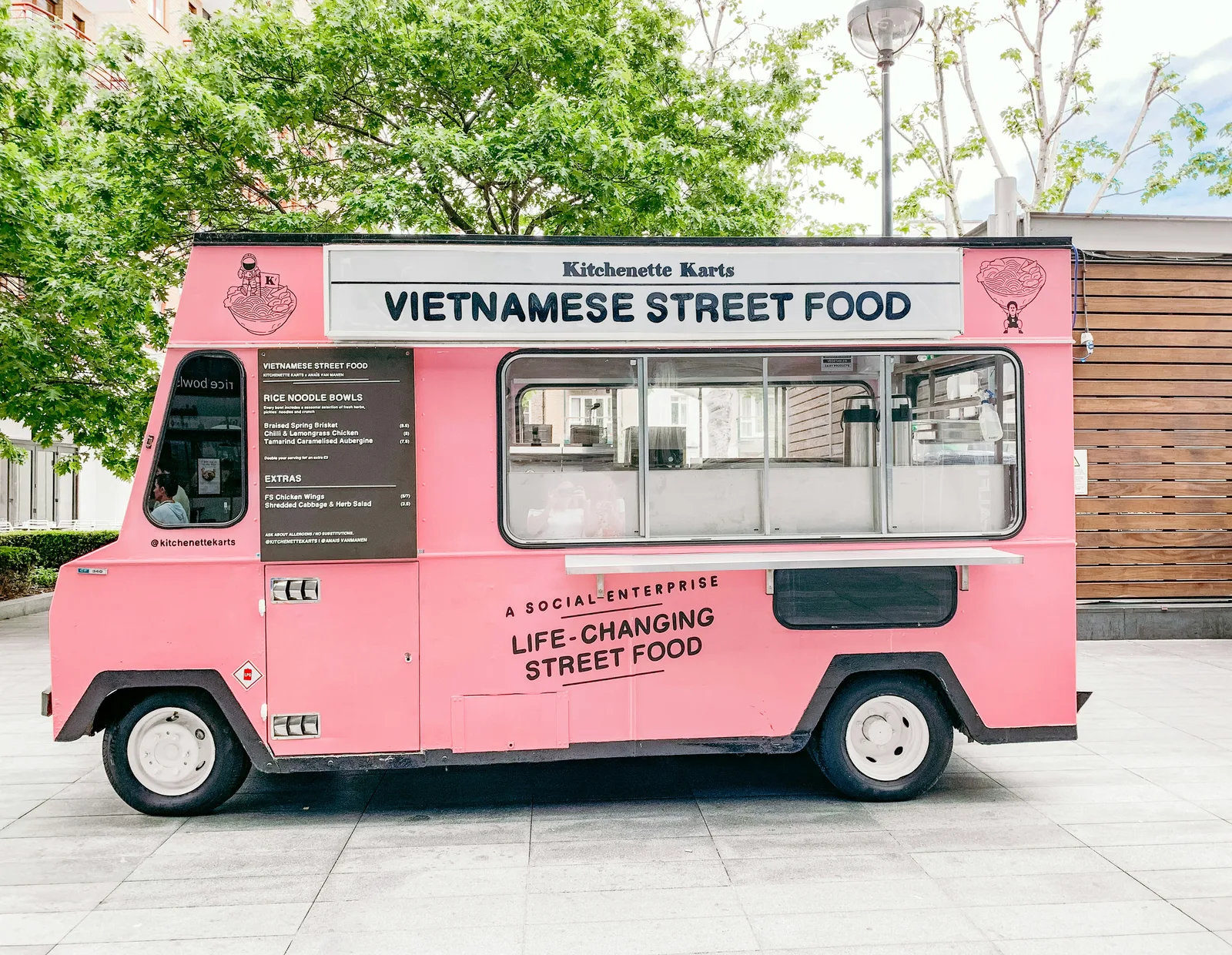
The Lower East Side of Manhattan was the first home of many Jewish immigrants, and its streets still hold some of the city's classic food shops. The neighborhood has also become a home to newer restaurants and bars, so a walk can span a century of food in a few blocks. Eat a pastrami sandwich, a knish and a bialy, and you have a fair picture of New York's immigrant food.
What are the classic Lower East Side foods?
Staples include matzo ball soup, potato knishes, dill pickles and chopped liver, along with pastrami on rye, bagels with smoked fish, bialys, egg creams and halva. These foods were brought from Eastern Europe and adapted in New York. A pastrami sandwich is thick, warm, peppery and served with mustard, and eating it with pickles is traditional. An egg cream, despite the name, contains neither egg nor cream: it is milk, seltzer and chocolate syrup.
How does a classic Lower East Side deli work?
A classic deli runs on tickets. Customers receive a paper ticket at the door, order at the cutting counter, and are encouraged to tip the carver for a taste. Lunch lines are long, so go at an off-peak hour, and keep your ticket, because you pay when you leave. Few Jewish delis survive in the city, which is why the ones that do draw a crowd.
What is an appetizing shop?
An appetizing shop sells smoked and cured fish, cream cheese, salads and spreads, and the rule is that it does not sell meat. Expect many kinds of smoked salmon and herring. Some counters have no seating, so look for a sit-down cafe nearby that serves more refined versions of the same food. Order a bagel with salmon and cream cheese, or a board to share.
Where do you find knishes, bialys and candy?
Old knish shops sell baked knishes filled with potato, spinach or kasha, and a few still make a proper egg cream. Long-running bakeries sell bialys, which are chewy rolls with an indented center filled with onion. Candy stores sell sweets from around the world and are popular with children. It is all within a short walk.
What is Essex Market?
Essex Market is a long-running public market on the Lower East Side. It has a mixed range of vendors selling groceries, coffee, tacos, dim sum and other prepared foods. It is a good place to eat when delis have long lines.
How do you avoid lunch lines?
Go on a weekday morning or mid-afternoon. The classic delis are crowded at lunch. Split up: one person orders, one finds seats. Bring a friend to share an oversized sandwich, because portions are large. Weekends are busiest, and tourists fill the shops.
What else is in the neighborhood?
The Lower East Side has the Tenement Museum, which tells the story of immigrant families, and many small bars and restaurants on Orchard, Ludlow and Rivington Streets. The neighborhood is walkable from the F, J, M and Z subway stops. Many delis close on Jewish holidays or have shorter hours on Fridays, so check ahead.
What should you drink and eat for dessert?
Order an egg cream, a seltzer or a cream soda with a deli meal, and an old-fashioned black-and-white cookie or rugelach for dessert. Halva and candy shops sell sweets by weight, and several bakeries sell babka. If you prefer coffee, small cafes on Orchard and Ludlow Streets serve espresso and pastry. In warm weather, ice cream and Italian ice shops line the streets, and the Essex Market has several vendors selling sweets and coffee.
A closing thought on timing: the Lower East Side feels different at each hour. Mornings are for bagels and knishes, afternoons for walking and shopping, and nights for bars and late dinners. If you want only the old food, come before 3 p.m., when the classic shops are at their best. If you want the full range, plan a long day and pace yourself.
Finally, carry cash and a sense of humor. Some counters take only cash or have a card minimum, lines move at the speed of the carver, and the people behind the counter may be brisk. That is part of the tradition. Be ready with your order, say please and thank you, and the experience will be a good one. If you are unsure what to choose, ask the person behind the counter, who will usually offer a taste.
The Lower East Side is compact, so a food crawl on foot is easy. Start in the morning with a bagel, a knish or smoked fish, walk it off through the streets, and save a deli or a sit-down meal for later in the afternoon. The famous counters have lines, particularly at weekends, so go on a weekday or at an off-peak hour. Some counters take cash only or ask you to pay at a separate window, so read the signs. Share larger portions, because many delis serve more than one person can finish.
How do you keep track of a Lower East Side food crawl?
A crawl through the Lower East Side is a string of small tastes: a knish, a pickle, a bialy, a bagel with smoked fish. In the Mosey app, rate each one by the dish, add a tag, and keep them in a list in the order you ate them, so you can repeat the walk or hand it to a friend. Share the list and invite them to add the stop you missed. Follow friends who live downtown and see what they rate as classics.
Rate your next deli sandwich in the Mosey app and make a list for your next crawl.
More guides to read next:
- Manhattan Chinatown food guide: dim sum, dumplings and bakeries
- Queens food guide: Flushing, Jackson Heights and Astoria
- Staten Island food guide: Little Sri Lanka and the ferry
More in the US food guides and the ranked lists of places.
Questions
Common questions
What is an appetizing shop?
A shop selling smoked and cured fish, cream cheese, salads and spreads. Traditionally it does not sell meat.
How does ordering work at a classic deli?
You take a paper ticket at the door, order at the counter, and pay when you leave, so keep the ticket.
What is an egg cream?
A drink made from milk, seltzer and chocolate syrup. It contains no egg or cream.
What is a bialy?
A chewy roll with an indented center filled with onion, associated with the Lower East Side.
When are the delis least crowded?
Weekday mornings and mid-afternoons. Weekend lunch is the busiest.
More like this
Read next
Food Worth a Drive in Alabama: Barbecue to the Gulf
Food worth a drive in Alabama, from white sauce chicken in Decatur to ribs in Tuscaloosa and Gulf oysters in Mobile, with three routes and tips for each stop.
Food Worth a Drive in Alaska: Seward Highway and Homer
A guide to food worth a drive in Alaska: Anchorage restaurants, Girdwood on the Seward Highway, fresh fish in Homer and where to stop in Seward.
Capital Region food: Albany, Troy and Saratoga Springs
A guide to eating around Albany, Troy and Saratoga Springs: the Troy waterfront farmers market, Saratoga race-season reservations, Albany neighborhoods and how far ahead to book.
Alberta Arts District food guide: where to eat on NE Alberta Street
A guide to eating on Northeast Alberta Street in Portland: brunch, taquerias, ice cream, the Last Thursday street fair, and how to plan a visit around the weather and the crowds.
