
Neighborhood guide
Little Italy Cleveland: A Food Neighborhood Guide
Mosey · November 11, 2026 · 4 min read
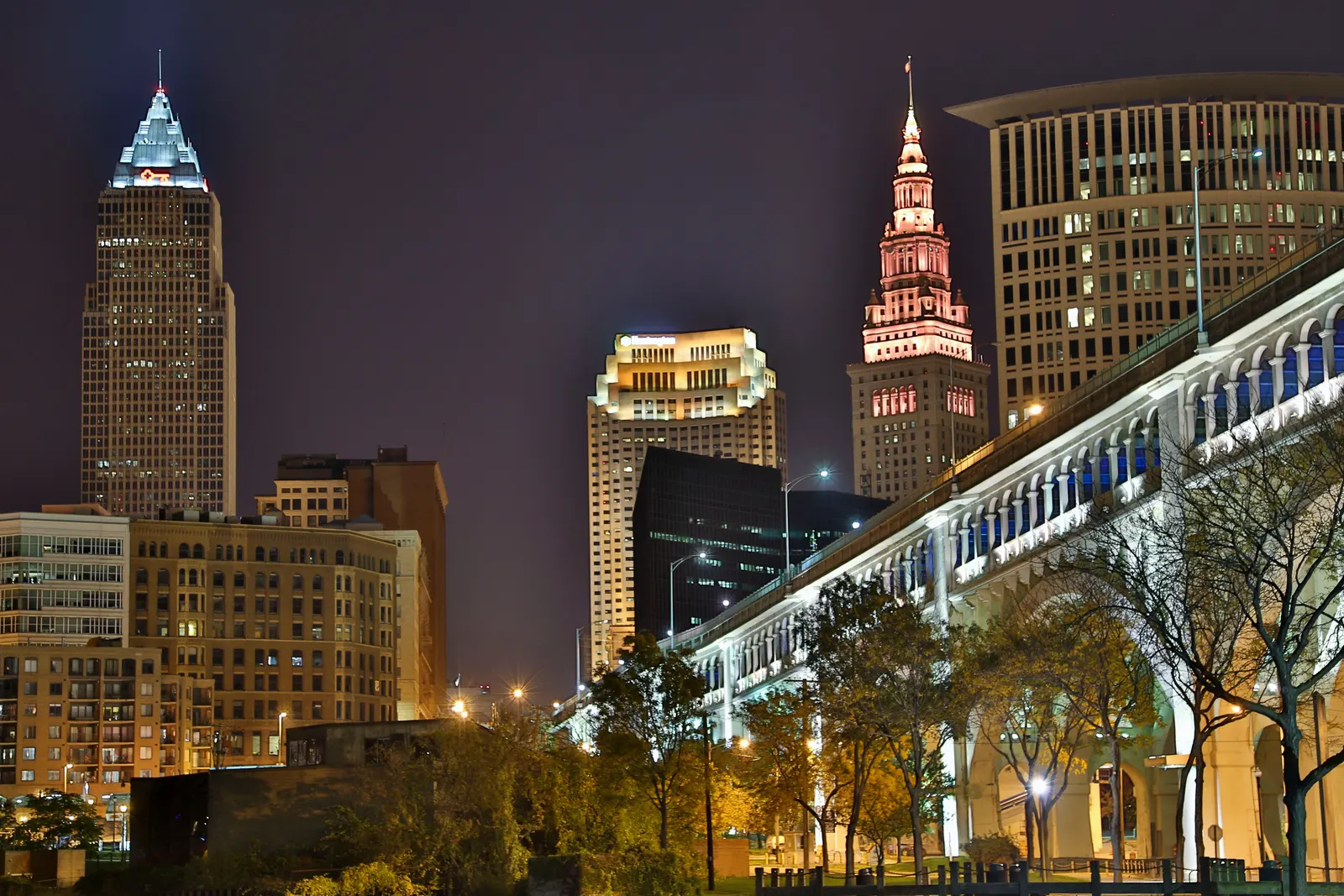
Little Italy Cleveland is a small, walkable neighborhood on the city's East Side, built by Italian immigrants and named for the street at its center. It has churches, a museum and many restaurants within a few blocks. Here is how it began, how to plan a visit and how to keep notes on what you eat.
What is Little Italy Cleveland?
The Encyclopedia of Cleveland History, from Case Western Reserve University, places the neighborhood between about East 119th and East 125th streets, around the main street and Mayfield Road. Lake View Cemetery borders it to the north and east, and the university campus and a rapid transit line lie to the west.
It calls the area an upscale center for art, dining and living that draws suburban shoppers. Churches, the old school and a historical museum sit among the restaurants, so a walk here is as much about history as about lunch.
How did Italian immigrants build the neighborhood?
By the late 1890s, many Italian immigrants had settled in the Mayfield and Murray Hill area and worked at nearby marble works, the encyclopedia says. For a long time most of the inhabitants were Italian-born. Many were from Naples, and a large group came from towns in Campobasso Province, in southern Italy.
Newer residents include graduate students from the university and immigrants from Albania and Latin America, the encyclopedia notes, though the Italian character remains strong. That mix is a reason to ask a cook about their roots, since kitchens here may reflect more than one tradition.
Where did the pasta machine come from?
The encyclopedia says a macaroni machine was invented in the community, which makes the pasta machine a local claim to fame. It is a nice detail to hold in mind when you sit down to a plate of pasta: the neighborhood has its own place in the story of how pasta was made. Ask a server whether the pasta is made in house, bought dried or bought fresh, and what the sauce is cooked with.
How do you plan a visit to Little Italy?
Walk first and decide later. The streets are short, and the restaurants and shops are close together, so you can read menus along the way. Choose a time when the neighborhood is not at its busiest, since the encyclopedia says it draws large crowds, and weekend evenings are likely to be the busiest.
Pair a meal with a short museum visit if you can, since the neighborhood has a small historical museum that tells the story of the families who built it. Wear comfortable shoes, because the hill is gentle but steady, and leave time for a coffee or a pastry on the way back down. Dress for the season, since the lake climate swings from hot summers to cold winters.
How do you choose a meal on a street of Italian restaurants?
Look for focus. A kitchen that does a handful of dishes on purpose is a better sign than one with a menu the length of a novel. Ask what the cook is proud of today, whether the sauce is made in house and whether any dish is a family recipe. A good answer is short and specific. Many cooks are glad to explain a regional dish, and the questions you ask will tell you which kitchens care most about their recipes.
If you have a diet or allergy, ask before you order. Pasta and bread contain wheat, and sauces may contain dairy or meat, so see our gluten-free guide for questions to ask. A street festival in the neighborhood each summer is covered in our Feast of the Assumption guide.
What should you taste first in Little Italy?
Start with what the kitchen makes most often. A plate of pasta, a bowl of soup or a simple sandwich tells you more about a cook than an ambitious special. Ask what the house is known for, and order that before you try the rest. If you are with friends, share a few plates so that you can compare sauces, breads and desserts side by side, and note which one you would come back for.
How do you rate a Little Italy meal with Mosey?
Open the Mosey app after a plate. To log it you need a place and a star score, and then you can add the dish name, a tag such as Date Night or Group Dining and a photo. Tag the people at the table so each can rate the same dish.
Add each meal to a list called Murray Hill days and send it to a friend through an invite link. If you follow friends whose taste you trust, you will see what they rated and saved. The ratings page explains the details.
Where else can you read about Cleveland?
Read the finding good food guide for the whole city and our West Side Market guide for a different part of town. See the Cleveland page, the Ohio page and the US food guides.
On your next walk up Murray Hill, open the Mosey app, rate each plate by name and add it to a list.
Questions
Common questions
Where is Little Italy in Cleveland?
Little Italy lies on the East Side between about East 119th and East 125th streets, around Murray Hill and Mayfield roads, bordered by Lake View Cemetery and close to the Case Western Reserve University campus.
Why is Little Italy also called Murray Hill?
The Encyclopedia of Cleveland History says it is often called Murray Hill after the street at its center. The neighborhood grew around Italian immigrants who worked at nearby marble works.
Who settled in Cleveland's Little Italy?
Italian immigrants settled there from the late 1890s, and for a long time most inhabitants were Italian-born. Many were from Naples, and a large group came from Campobasso Province in southern Italy, which shaped the neighborhood's food.
When is Little Italy busiest for dining?
Weekend evenings are likely to be busiest, since the neighborhood draws large crowds of visitors. A weekday lunch or an early dinner usually means a shorter wait, and a call to the restaurant can confirm.
Which app helps me remember where I ate in Little Italy?
Mosey is a food app for finding places, rating dishes and keeping lists to share with friends. In Cleveland you can add tags to your ratings, follow friends to see what they rated and saved, and send a list by link.
More like this
Read next
Best Pierogi in Cleveland, Plus the Polish Boy
A guide to the best pierogi in Cleveland: the stands and kitchens to try, the Polish Boy sandwich the city calls its own and how to order both.
Cheap Eats in Cleveland: Markets, Pho and Corned Beef
A guide to cheap eats in Cleveland: how to build a lunch at West Side Market, where to find noodle soup and a corned beef sandwich and how to stretch a budget.
Cleveland Feast of the Assumption: Street Festival Food
The Cleveland Feast of the Assumption is a Little Italy street festival with long roots. What to expect, how to pace festival food and keep notes.
Where to eat around the West Side Market in Cleveland (2026)
The West Side Market anchors Ohio City. A practical guide to its days, how to eat there, what to do with the rest of the day nearby, and how to avoid the Saturday crush.
