
City guide
Litchfield Hills food guide: farm stands, markets and country dining
Mosey · November 11, 2026 · 5 min read
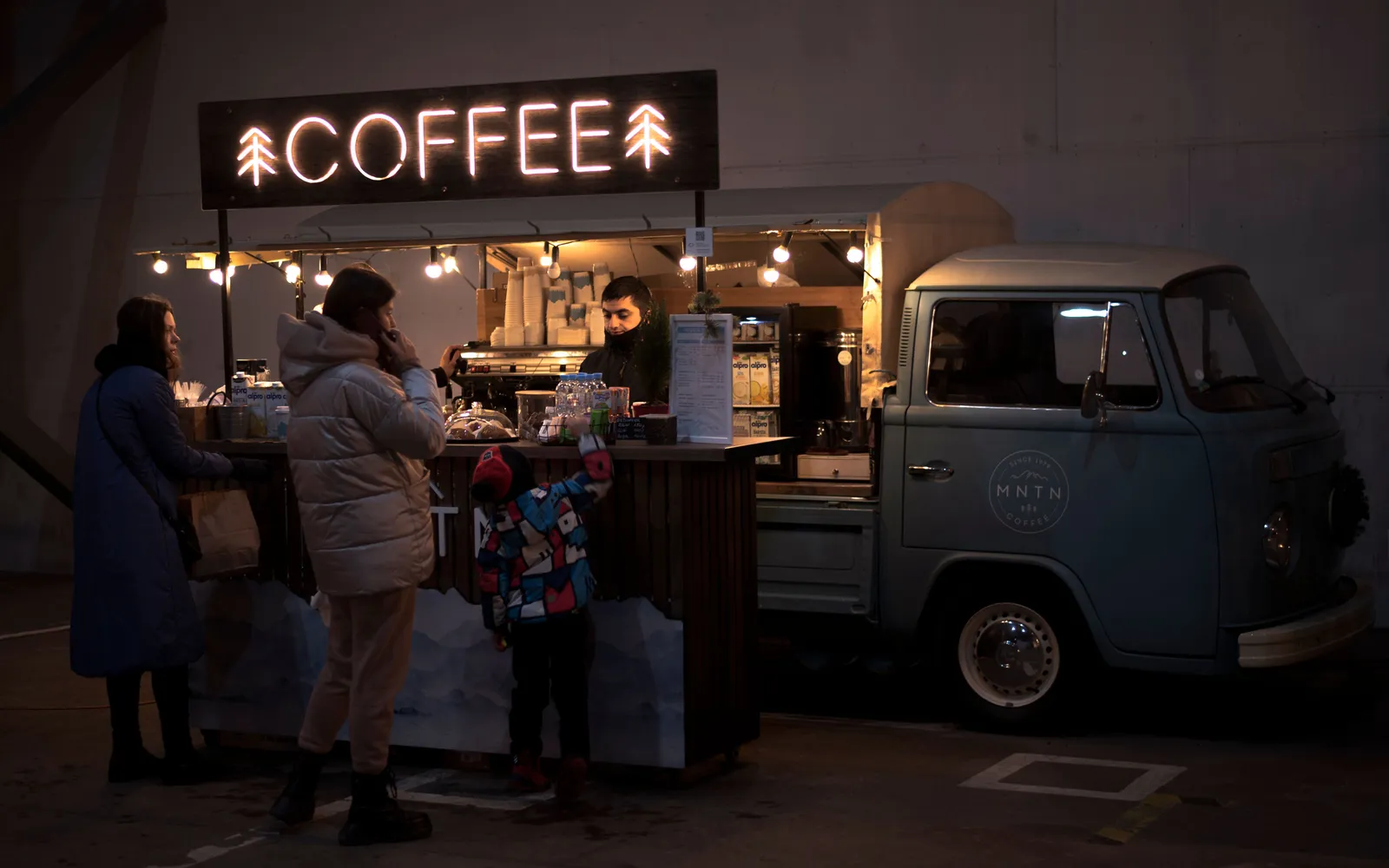
The Litchfield Hills, in the northwest corner of Connecticut, are a landscape of ridges, lakes, stone walls and small towns. Food here follows the farms: apple orchards, vegetable farms, dairies and cider mills, with village cafes and country restaurants that serve them. Follow the farm stands, plan around the season and leave room for a country dinner.
Where are the Litchfield Hills and how do you get there?
The hills cover most of Litchfield County, with towns such as Litchfield, Washington, Kent, Norfolk, Warren, New Milford and Salisbury. A car is nearly essential, since public transit is limited. From New York City it is about two hours by car, and from Hartford about an hour. Roads are winding and narrow, and fall weekends bring traffic, so allow extra time. A weekday trip is more relaxed than a weekend one.
What farm stands and markets are worth knowing?
Farms across the hills run farm stands and orchards, selling apples, cider, vegetables and fruit, and some stay open much of the year. Kent and other towns hold seasonal markets in the warmer months.
What kinds of places can you eat in?
The hills have a mix of village cafes, bakeries, sandwich shops, farm-to-table restaurants and country inns. Towns such as Bantam and Kent have bakeries, cafes and tasting rooms. Some restaurants use produce from their own gardens or local farms. Small-town kitchens keep their own hours, so call ahead.
When is the best season to visit?
Fall is the most popular season, with apples, cider, pumpkins and foliage. Roads and restaurants are busy in October, and country inns and bed and breakfasts book weeks ahead. Summer has farm stands full of corn, tomatoes, berries and peaches, and lakes where people swim. Spring brings maple sugaring in late winter and early spring, then the first vegetables. Winter is quiet, with some restaurants closing for part of the week or season. If you want fewer crowds, go in late summer or on a weekday in autumn.
What should you eat?
In fall, apple cider doughnuts, hard cider, apple pie and cider are the top choices. In summer, sweet corn, tomatoes, peaches and blueberries from a farm stand. Year-round, look for local cheese, eggs, honey, maple syrup and baked goods. Many farm stands sell prepared foods such as pies, jams and soups. If you can, buy something to cook later, and ask the farmer for a suggestion on how to use it.
Do you need a reservation?
For a Saturday dinner or an October lunch, yes, if the restaurant takes them. Small restaurants have few tables, and a short wait can become an hour. Call a few days ahead. Country inns often require a reservation for dinner and may close on certain weekdays. Farm stands and bakeries do not take reservations, but they sell out of popular items, such as doughnuts, by early afternoon on busy weekends.
How do you travel with children and dietary needs?
Farm visits are easy with children: many orchards have pick-your-own fruit, hayrides and animals in the fall. Bring wet wipes and a change of clothes. For dietary needs, small kitchens can often adapt a dish if you ask, but they may not have a separate prep area. Tell the staff about allergies when you book. Cider doughnuts contain wheat, dairy and eggs, and pies often contain nuts.
What else is worth doing between meals?
The hills have state parks, trails and covered bridges. A walk to Kent Falls or a drive along a quiet road is a pleasant break between meals. Several towns have antique shops and bookstores. In Norfolk and Salisbury, summer concerts and festivals bring evening events. Check each town's calendar before you go, and allow time to stop whenever a farm stand catches your eye.
What is a good one-day plan?
Start with coffee and a pastry in a village bakery, then drive to a farm stand in the late morning, when the shelves are full. Have lunch at a cafe or a market that serves sandwiches, and spend the early afternoon at a state park or a short trail to work up an appetite. Stop at an orchard for cider doughnuts in the late afternoon, then drive to a country restaurant for dinner. Leave before dark if you are not used to the winding roads, which can be foggy and have deer at dusk. This pattern works in every season, with the farm stand changing from berries to apples to winter squash.
Plan a drive through the Litchfield Hills with plenty of slack. The roads are winding, farm stands keep their own hours, and country restaurants are often small, so a table for a group needs notice. Leaf season in October and summer weekends are the busiest, so book ahead then and travel midweek if you can. Keep some cash for farm stands, bring a cooler for produce, cider or cheese, and check whether a restaurant is open before you drive a long way. Winter is quiet, with some places closed until spring.
How do you keep track of a Litchfield Hills food day?
A day among the farm stands and country inns produces more good food than you will remember. In the Mosey app, rate the cider doughnut, the village bakery pastry and the country dinner by the dish, add a tag such as Bakery or Farm Producer, and keep the stops in a list for the hills. Share it with the friends who came along, and they can add the stand they preferred. Mosey runs seasonal food votes too, which suit a county whose menu follows the harvest.
Rate your favorite stop in the hills in the Mosey app and keep the list for next fall.
More guides to read next:
- Best restaurants near me in Connecticut: a regional guide (2026)
- Quiet Corner food guide: Putnam, Pomfret and Woodstock
- New Britain's Little Poland: a Broad Street food guide
More in the US food guides and the ranked lists of places.
Questions
Common questions
Where are the Litchfield Hills?
In northwest Connecticut, covering most of Litchfield County, with towns such as Litchfield, Washington, Kent, Norfolk and New Milford.
When is the best time to visit for food?
Fall for apples and cider, summer for vegetables and fruit. Weekdays are quieter than weekends.
Are there farmers markets in the Litchfield Hills?
Yes. Several towns hold markets in the warm months, and farm stands run through the fall.
Do I need a car?
Yes. Public transit is limited and the towns are spread out.
Do restaurants close in winter?
Some close for part of the week or season. Call before you drive.
More like this
Read next
Food Worth a Drive in Alabama: Barbecue to the Gulf
Food worth a drive in Alabama, from white sauce chicken in Decatur to ribs in Tuscaloosa and Gulf oysters in Mobile, with three routes and tips for each stop.
Food Worth a Drive in Alaska: Seward Highway and Homer
A guide to food worth a drive in Alaska: Anchorage restaurants, Girdwood on the Seward Highway, fresh fish in Homer and where to stop in Seward.
Capital Region food: Albany, Troy and Saratoga Springs
A guide to eating around Albany, Troy and Saratoga Springs: the Troy waterfront farmers market, Saratoga race-season reservations, Albany neighborhoods and how far ahead to book.
Alberta Arts District food guide: where to eat on NE Alberta Street
A guide to eating on Northeast Alberta Street in Portland: brunch, taquerias, ice cream, the Last Thursday street fair, and how to plan a visit around the weather and the crowds.
