
How to
Kid Friendly Restaurants: Eating Out With Toddlers
Mosey · November 11, 2026 · 5 min read
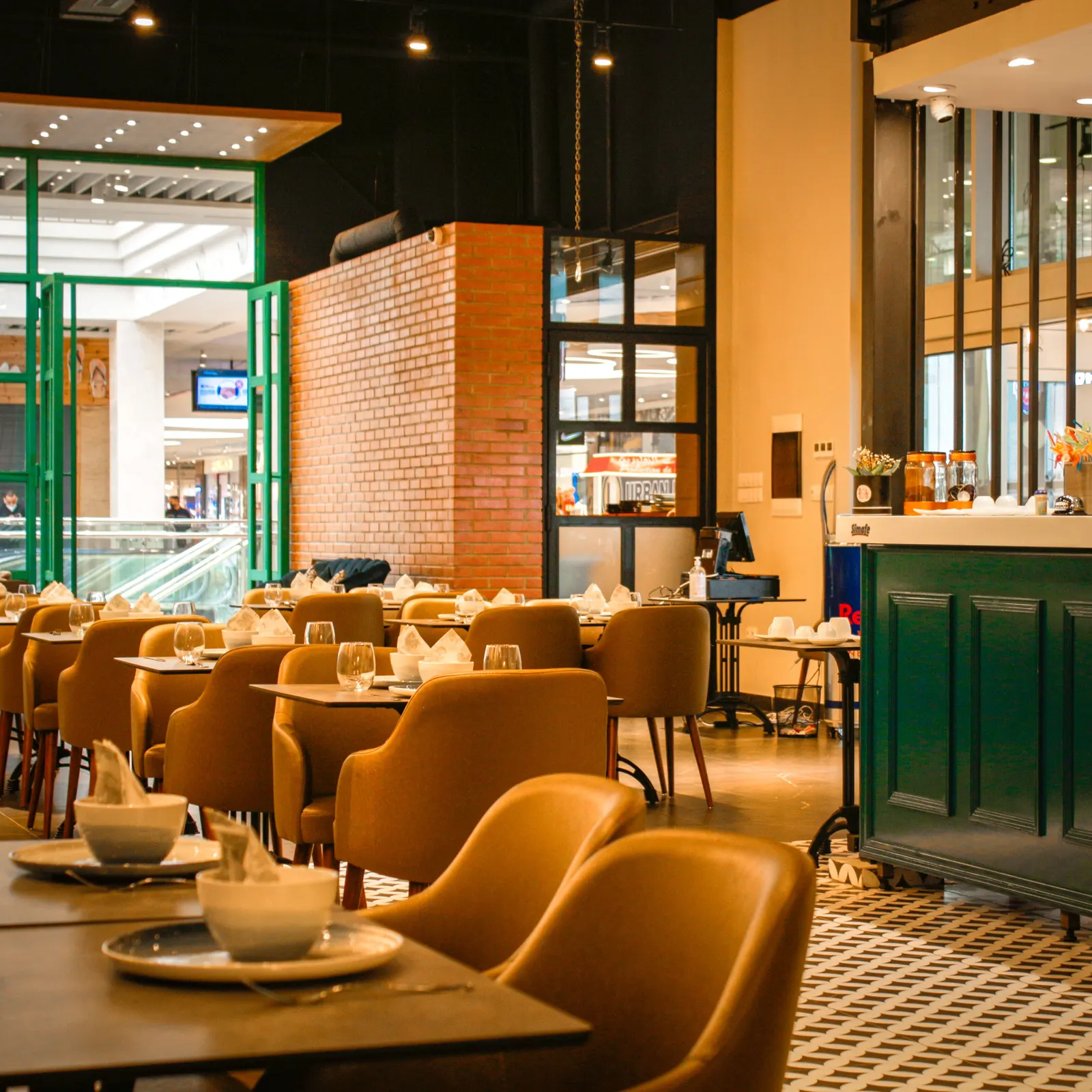
Kid friendly restaurants are the ones that make a meal with a toddler possible: a seat that holds a small child upright, food that arrives quickly, a menu with plain choices and staff who do not flinch at a dropped cup. No tag can promise that. What helps is knowing what to look for, which foods to cut up, and how to ask before you go.
What makes kid friendly restaurants work for toddlers?
Think in four parts: the seat, the speed, the menu and the mood. A high chair or booster lets a small child sit up while eating, which is what the CDC advises, rather than lying down, crawling or walking with food in the mouth. Speed matters because a hungry toddler has about twenty minutes of goodwill. A menu with a few plain dishes lets you order for a child without a negotiation. The mood is the hardest to see from outside: noise, space between tables and the way staff greet a stroller.
You will not learn all four from a photo. A short call does better: ask whether there are high chairs, whether a child's portion is possible, and whether an early table is easy on a weeknight.
How do you plan eating out with toddlers?
Go early, before the dinner rush and before your child is past tired. Bring a small bag with a cup that does not spill, wipes, a snack for the wait, and one quiet toy. Order the child's food with the drinks so it arrives first. Ask for the check when the main course lands, not after, so you can leave the moment your child has had enough.
Choose a table near the exit or the restroom, away from the kitchen door and the busiest walkway. If a meal is going badly, a ten-minute walk outside often resets everyone. Lower your own bar for the evening and praise what went right.
Which foods are choking hazards for young children?
The CDC's list is a useful anchor, and it says plainly that it is not complete. Among the foods it names are whole or chopped nuts and seeds, spoonfuls of nut butter, hot dogs and sausages, large cheese chunks, whole grapes, berries, cherries and melon balls that are uncut, hard raw vegetables such as carrots and apples, popcorn, chips, hard candy, gummies and marshmallows. It also lists tough meat chunks and bones in meat or fish.
Its advice for mealtimes is simple. Have your child sit up in a high chair or another proper seat, watch your child at all times while they are eating, keep the meal calm, avoid rushing, and cut food into smaller pieces or mash it. Do not let a child eat in a stroller or the car. Talk to your child's doctor or nurse about what to do if a child chokes.
In a restaurant, that means asking for a grape tomato to be cut, taking the bone out of a chicken wing, and skipping the hard candy that comes with the check.
How do you pick a seat, a time and a menu?
Read the menu at home. Look for something soft, mild and simple that can be shared from your plate: pasta, rice, eggs, soup you can cool, steamed vegetables, a plain grilled protein cut small. Order one item for each adult and one extra to share rather than three separate children's plates that might not be eaten.
If your child has a food allergy, that is a different conversation, covered in restaurants for kids with food allergies. Ask the server the same questions every time, even at a place you know well.
How do kid friendly restaurant tags work?
On Mosey, a rater can add the stored tags Kid-Friendly or Family Friendly to a rating, and a diner can look for them in the Find sheet. Treat them as one family's note about one visit. A place that was relaxed at six on a Tuesday may feel different at seven on a Saturday.
A good habit is to read the tag, then ask the place the question that matters to you. Is there room for a stroller? Are there changing facilities? Will the kitchen cut a child's portion? A friendly answer is the best sign of all, and it costs a minute.
How do you rate a family meal so it helps the next parent?
Rate the food and then write what you would want to know: how long the wait was, whether there were high chairs, how the staff reacted, what the child ate. You can rate each dish, so a dish that worked for a toddler is recorded for what it was.
Tag the people you ate with and they can add their own rating of the same meal, which works well for grandparents or friends who came along. Make a list of your own. Call it Easy dinners with a toddler, add a note to each place, and share it with other parents you follow. The ratings page explains how a rating is built.
Why does a rating at a family place matter?
Mosey is free for a place to list, has no hidden fees and offers affordable tools, so a family-run spot keeps more of what it earns. When you rate the café that gave your toddler a spoon and a smile, you point other parents toward places that welcome small children and support local people. For more, see how to find good food in a new city, how to order at a diner and the full set of US food guides.
Two nearby guides may help as well: wheelchair accessible restaurants, and hidden gem restaurants.
When the next family dinner goes well, rate it in the Mosey app, tag it Kid-Friendly and save it to a list the other parents you know can add to.
Questions
Common questions
What should I look for in kid friendly restaurants?
Look for a seat that keeps a small child upright, quick service, a few plain dishes and staff who stay calm around noise. The CDC advises children to sit up in a high chair or similar seat while eating and to be watched at all times, so ask about seating before you arrive.
Which foods does the CDC list as choking hazards?
The CDC names whole or chopped nuts and seeds, nut butter by the spoonful, hot dogs and sausages, large cheese chunks, whole grapes and other uncut round fruit, hard raw vegetables, popcorn, chips, hard candy and gummies. It stresses that its list is not exhaustive, and advises cutting or mashing food.
How early should I eat out with a toddler?
Early in the evening works best, before the dinner rush and before your child is overtired. A weeknight table at five or half past is usually easier to get, and the child's food can be ordered with the drinks so it arrives first. Ask the place about its quietest times.
Does a Kid-Friendly tag mean a place has high chairs?
No. A tag is one diner's note about one visit and promises nothing about seating, menus or facilities. Use it to build a short list, then ask the place directly about high chairs, strollers, changing facilities and child-sized portions before you go.
How can I keep track of places that worked for my family?
Mosey is a free food app for finding places to eat, rating each dish and sharing lists with other parents. Rate each dish your child ate, add the Kid-Friendly or Family Friendly tag, keep the good places in a list for other parents, and follow friends to see what they rate. A tag is a diner's note, not a promise.
More like this
Read next
A 48 Hour Food Weekend Plan With a Shared List
Plan a 48 hour food weekend in any town with one shared list: sections for each meal, notes from everyone, ratings as you go and a list to keep afterward.
Anna Maria Island Restaurants: Pier, Beach and Sunset
Anna Maria Island restaurants range from a fishing pier to a toes-in-the-sand sunset spot. Meet four places and plan a day from breakfast to dinner.
Eating out in Arizona: summer heat, winter visitors and spring training
Arizona restaurants run on two seasons. How to eat out in 110 degree summers, when winter and spring training crowds make reservations essential, and how to time patios, misters and late dinners.
Armenian and Middle Eastern Food in Fresno
Armenian and Middle Eastern food in Fresno means shish kebab, lamb chops and chicken shawarma wraps. Dishes to look for and how to compare them.
