
How to
How to Shop at a Farmers Market: Tips for First-Timers
Mosey · November 11, 2026 · 4 min read
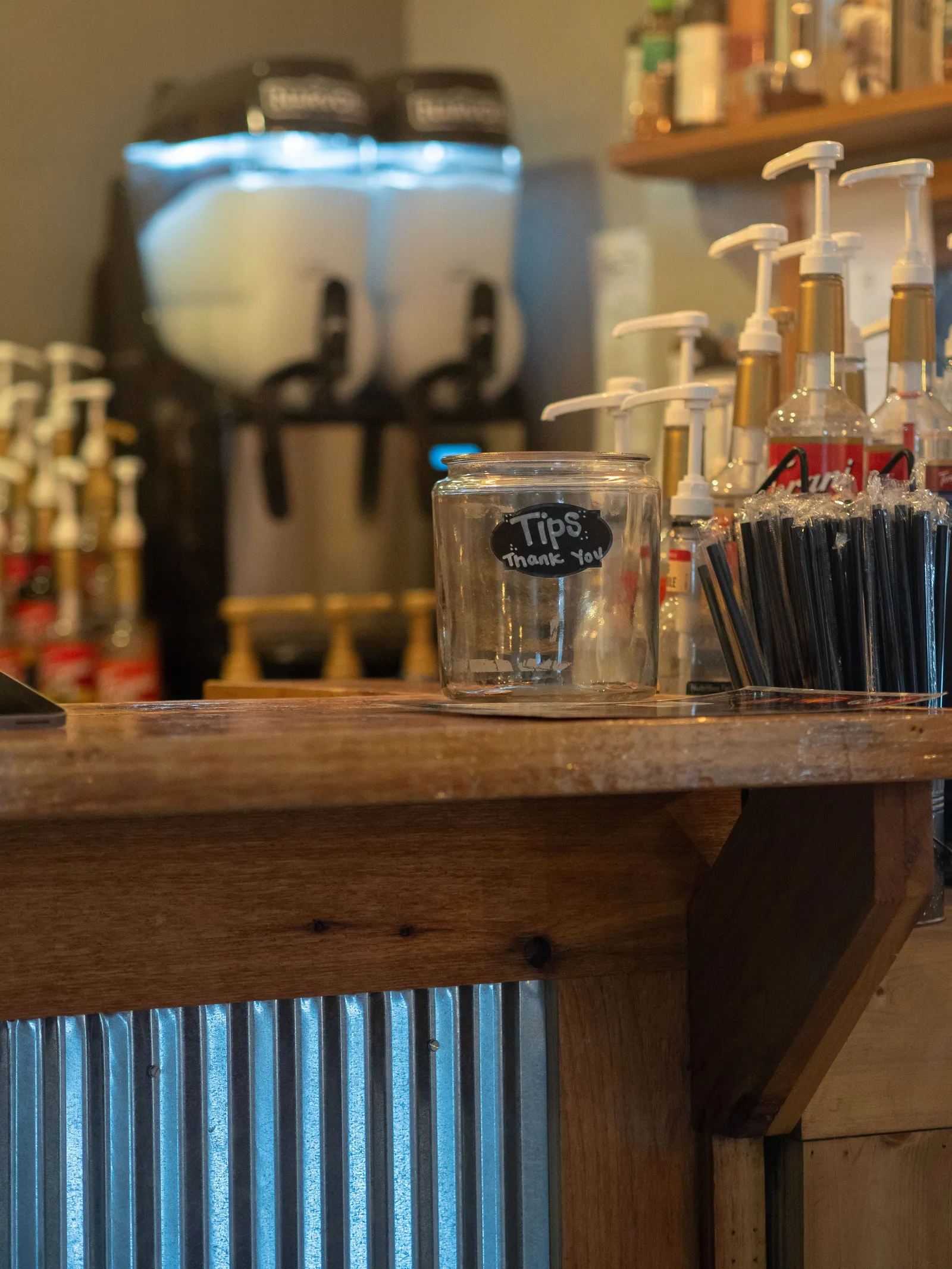
How to shop at a farmers market comes down to a few habits: walk the whole market once before you buy, bring reusable bags and small bills, and go early for choice or near closing for bargains. A farmers market is where growers sell directly to the public, so the food is fresher and more seasonal than at a supermarket.
Ask what is best today and when it was picked, buy what you will eat in the next few days, and respect the sellers' space.
When is the best time to go to a farmers market?
Early is best for choice, and late is best for bargains. At opening, you get the full range of produce and the best of the fragile items, such as berries and tender greens. Near closing, some sellers cut prices to avoid carrying produce home, though the best items may be gone.
Weekday markets are quieter than Saturdays. Check the days and hours of your local market, because many are seasonal.
What should you bring?
Bring reusable bags, a cooler bag for meat, cheese and eggs in warm weather, and small bills and change. Many vendors take cards now, but some do not, and cash makes small purchases quick. A list is useful too: write down what you need for the week, but be ready to change it when you see what looks best. A basket or a wagon helps if you plan to buy heavy items such as melons.
Wear a hat and sunscreen in summer, and shoes that can handle uneven ground.
How to shop at a farmers market: walk the whole market first
Before you buy, walk the market once. Look at who has what, compare prices and quality, and note what looks best. Then go back and buy. This prevents the common mistake of filling your bag at the first stall and finding better produce at the last.
Taste when samples are offered, and look at the produce itself: firm, heavy for its size and fragrant is usually good.
What to buy at a farmers market
Buy what is in season and what you will eat in the next few days. Fruit and vegetables at their peak taste better and cost less. Eggs, honey, bread, cheese, meat, fish, flowers and prepared foods are also common. If you are unsure, ask the grower what they would cook tonight.
Do not feel obliged to buy a lot. A small bag of the best thing at the market is a good start. If you are cooking for a few days, buy a mix of things that keep (onions, potatoes, apples) and things that need eating soon (berries, greens), and plan the delicate ones first.
What is the etiquette at a farmers market?
Be polite and patient. Do not squeeze produce too hard, ask before you taste and respect sellers' space. Do not block the aisle while you decide, and keep dogs on a short leash if they are allowed. If you have a question, wait for a gap in the line.
Bargaining is not usual at a farmers market. Prices reflect the grower's work, and a polite request for a bundle price on a large amount is the limit.
Farmers market produce seasons
Spring brings asparagus, peas, radishes and strawberries. Summer is the peak of tomatoes, corn, peaches, berries and zucchini. Fall has apples, squash, pears and root vegetables. Winter markets, where they run, sell storage crops, greens, eggs and baked goods.
Seasons vary by region. Ask what is new that week, and keep a note for next year.
How do you talk to the growers?
Ask simple questions: what is best today, how do you cook it, when was it picked. Most growers enjoy talking about their work, and you will learn which varieties to buy and how long they keep. Ask about growing methods if they matter to you, because terms such as organic have rules, while others are marketing.
Return to a stall you liked and say so. Growers remember regulars, and they will sometimes set something aside for you. If a stall runs out of what you wanted, ask when it will be back.
How do you pay with food assistance benefits?
Many markets accept SNAP (EBT) benefits and some double their value on fresh produce through local programs. Look for a market information booth, where you can swap benefits for tokens. Programs differ by state and market, so check the market's page.
How do you store what you buy?
Take leafy greens home and wash them when you are ready to use them. Keep berries dry and cold, tomatoes at room temperature and herbs in a glass of water. Eat the most delicate items first.
If you are traveling, a cooler with ice keeps cheese and meat safe in a car. See also Vermont's food stops and Texas farm stands and peaches, and the Christkindlmarket guide for winter markets. All the cities are on the US guides page.
After a good market morning you will want to remember what was worth carrying home. The Mosey app lets you rate the prepared food and dishes you eat there, and keep a list of favorite stalls to revisit.
Questions
Common questions
What time should I go to a farmers market?
Go early for the best choice, including fragile items such as berries, and near closing for bargains, when sellers would rather not carry stock home. Weekdays are usually quieter than Saturdays, so a weekday market suits a slow first visit with time to talk to the growers.
Do farmers markets take cards?
Many farmers markets take cards now, but some stalls do not, and a card reader can fail on a busy morning. Carry small bills and change as well, so you can buy a bunch of herbs or a single peach without holding up the line behind you.
Can I use SNAP at a farmers market?
Many farmers markets accept SNAP (EBT) benefits, and some match the value on fresh produce through local programs. Look for the market information booth, where staff can explain how it works at that market, and ask before you shop rather than at the stall.
What's the best way to remember and share the stalls I like?
Mosey is a food app where you rate places by the dish, keep lists and share them with friends. Rate a stall by the dish, such as the peaches or the bread, add a tag like Market Stall or Farm Producer, and keep a list to share. Follow friends to see what they rate.
How do I keep produce fresh after a farmers market?
Keep berries and leafy greens cold and dry, tomatoes at room temperature and herbs in a glass of water. Wash leafy greens when you are ready to use them, and use the most fragile things first. Buying what you will eat in a few days keeps the haul at its best.
More like this
Read next
A 48 Hour Food Weekend Plan With a Shared List
Plan a 48 hour food weekend in any town with one shared list: sections for each meal, notes from everyone, ratings as you go and a list to keep afterward.
Anna Maria Island Restaurants: Pier, Beach and Sunset
Anna Maria Island restaurants range from a fishing pier to a toes-in-the-sand sunset spot. Meet four places and plan a day from breakfast to dinner.
Eating out in Arizona: summer heat, winter visitors and spring training
Arizona restaurants run on two seasons. How to eat out in 110 degree summers, when winter and spring training crowds make reservations essential, and how to time patios, misters and late dinners.
Armenian and Middle Eastern Food in Fresno
Armenian and Middle Eastern food in Fresno means shish kebab, lamb chops and chicken shawarma wraps. Dishes to look for and how to compare them.
