
City guide
Hood River Fruit Loop and the Columbia Gorge: a food day trip (2026)
Mosey · November 11, 2026 · 5 min read
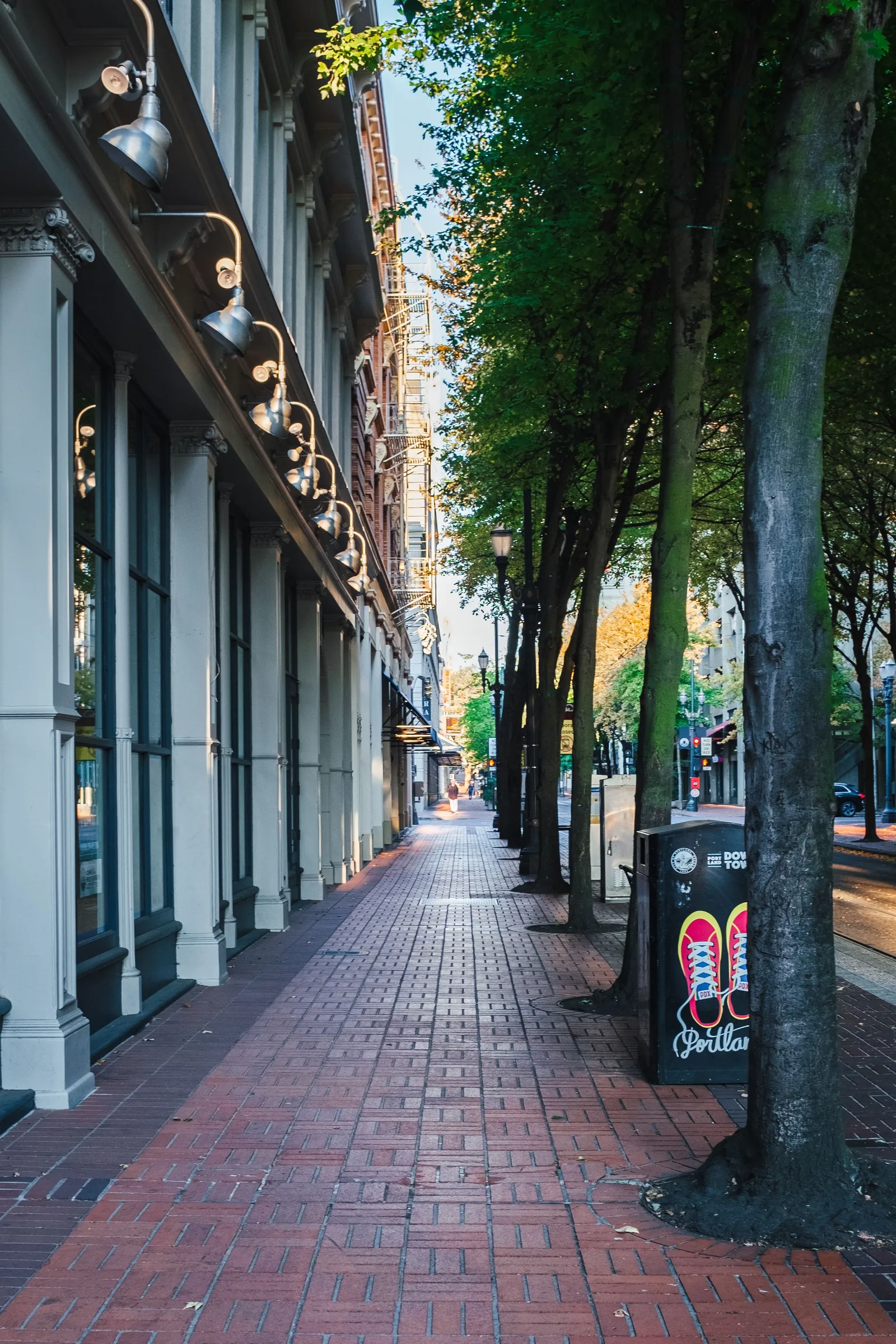
Hood River is a small city on the Columbia River, about an hour east of Portland, and the center of one of Oregon's best fruit-growing valleys. The Hood River Fruit Loop is a 35-mile drive through orchards, with farm stands, wineries, breweries, cideries, lavender fields and flower farms along the way. Eat what is in season, visit two or three stops rather than ten and finish with a river view.
What is the Hood River Fruit Loop?
It is a marked route through the Hood River Valley, south and west of town, with views of Mount Hood. The mix usually includes farm stands selling fresh fruit, pies and preserves, tasting rooms for wine and cider, a few farms with u-pick fields, and lavender and flower farms. Treat it as a menu of choices rather than a schedule: you cannot visit everything in a day, and you do not need to.
When is each fruit in season?
Approximate windows, which vary with the weather:
- Spring: the valley is at its prettiest when the orchards blossom, though the fruit is not ready.
- Cherries: around July.
- Peaches: summer.
- Pears and apples: from late summer into October.
- Pumpkins: the fall.
By late October, most u-pick fruit is finished, but farm stands still sell apples, pears, cider, pumpkins and baked goods. Some stands close for the season in November and reopen in spring, so check.
What should you eat on the loop?
Eat what is in season. Fresh pears and apples straight from the stand, pies and turnovers from a farm bakery, cider (sweet and hard), and jams and preserves are the staples. In summer, cherries and peaches are the stars. Wine and cider tasting rooms usually charge a small fee for a tasting flight and offer light food. Farm stands are seasonal and many are cash friendly, but most take cards. Ask what was picked today.
Where do you eat in Hood River itself?
The town is compact, with a downtown strip of restaurants, cafes, breweries and a waterfront that is a hub for wind and kite sports. Hood River has a strong brewing culture, and brewpubs with views of the river are a natural lunch or dinner stop after the loop. Beyond that, the town has Mexican, Thai and pizza restaurants, bakeries, and coffee roasters. Waits at popular places on summer weekends and during fall weekends can be long, so go early or midweek.
How do you plan the day?
A simple plan: leave Portland by 8:30, reach Hood River by 10, start the loop in the late morning, and eat lunch at a farm stand or a tasting room. Spend the afternoon at two or three stops rather than ten. Return to town for an early dinner and drive back before dark. In the busy fall season, expect traffic on the loop on weekends and consider a weekday.
If you want to see the Gorge itself, the Historic Columbia River Highway between Troutdale and Hood River passes waterfalls and viewpoints.
What if you only have a few hours in Hood River?
Do three things. Stop at one farm stand on the way into the valley and buy something to eat in the car or at a table nearby. Visit one tasting room for a flight and a snack. Then eat a meal in town, near the waterfront, before driving home. This gives you a taste of the valley without a long day on winding roads. If you have more time, add a second farm stand or a lavender field in July. In fall, a farm with a pumpkin patch and a cider press is a good family stop.
Avoid the most crowded hours on busy fall weekends, usually late morning to mid-afternoon, by starting early or going after lunch. If a stand is crowded, there is usually another a mile down the road that is not.
Can you drink and drive here?
Tasting rooms, breweries and cideries are everywhere, and so is law enforcement. Plan a designated driver, share tastes, spit at tastings or book a tour. Do not drive after drinking.
What about dietary needs?
Fruit stands are naturally vegetarian and often vegan. If you have a tree nut or gluten allergy, ask at bakeries and pie stands, because kitchens are small and use shared surfaces.
What does it cost, and what is the tax?
Oregon has no sales tax, so farm stand prices are the prices you pay. Tasting fees are separate. A tip for tasting room staff is appreciated but optional, and 18 to 20 percent applies at restaurants.
What if the weather is bad?
Rain and cold are normal from fall to spring, and the Gorge is windy. Bring layers and waterproof shoes. A wet day is a good time to spend more time at a tasting room or a farm bakery and less time in the orchards. If snow or ice closes roads, check the state's road conditions before you leave.
How do you remember what you ate along the Fruit Loop?
The loop is a string of small tastes: a pear, a tasting flight, a slice of pie. In the Mosey app, rate each one by the dish, add a tag such as Farm Producer or Must-Try, and keep the stops in a list so you can repeat the best two next year. Share it with the friends who came along, and they can add the stand they preferred. Mosey runs seasonal food votes, which suit a valley where the menu is whatever is ripe.
Rate your favorite stop on the loop in the Mosey app and start your Gorge list.
More guides to read next:
- Oregon beyond Portland: eating in Bend, Eugene, Salem and Hood River
- Newport, Oregon seafood guide: the Bayfront, crab and chowder
- Eugene, Oregon food guide: Fifth Street Market, Whiteaker and markets
More in the US food guides and the ranked lists of places.
Questions
Common questions
What is the Hood River Fruit Loop?
A 35-mile route through the Hood River Valley with farm stands, wineries, cideries, breweries and u-pick farms. The number of stops varies by year.
When are cherries and pears in season in Hood River?
Cherries around July, and pears and apples from late summer into October. Weather moves the dates.
Is the Fruit Loop open in late October?
Many farm stands are, selling apples, pears, cider and pumpkins, but u-pick fruit is mostly done. Check each stand's hours.
How far is Hood River from Portland?
About an hour by car, depending on traffic and conditions on Interstate 84.
Do I need a designated driver for the loop?
Yes if you plan to taste wine, cider or beer. Share tastes or book a tour.
Is there sales tax at Oregon farm stands?
No. Oregon has no sales tax, so the posted price is the price you pay.
More like this
Read next
Food Worth a Drive in Alabama: Barbecue to the Gulf
Food worth a drive in Alabama, from white sauce chicken in Decatur to ribs in Tuscaloosa and Gulf oysters in Mobile, with three routes and tips for each stop.
Food Worth a Drive in Alaska: Seward Highway and Homer
A guide to food worth a drive in Alaska: Anchorage restaurants, Girdwood on the Seward Highway, fresh fish in Homer and where to stop in Seward.
Capital Region food: Albany, Troy and Saratoga Springs
A guide to eating around Albany, Troy and Saratoga Springs: the Troy waterfront farmers market, Saratoga race-season reservations, Albany neighborhoods and how far ahead to book.
Alberta Arts District food guide: where to eat on NE Alberta Street
A guide to eating on Northeast Alberta Street in Portland: brunch, taquerias, ice cream, the Last Thursday street fair, and how to plan a visit around the weather and the crowds.
