
Food culture
History of Food Trucks in the US and How to Follow One
Mosey · November 11, 2026 · 5 min read
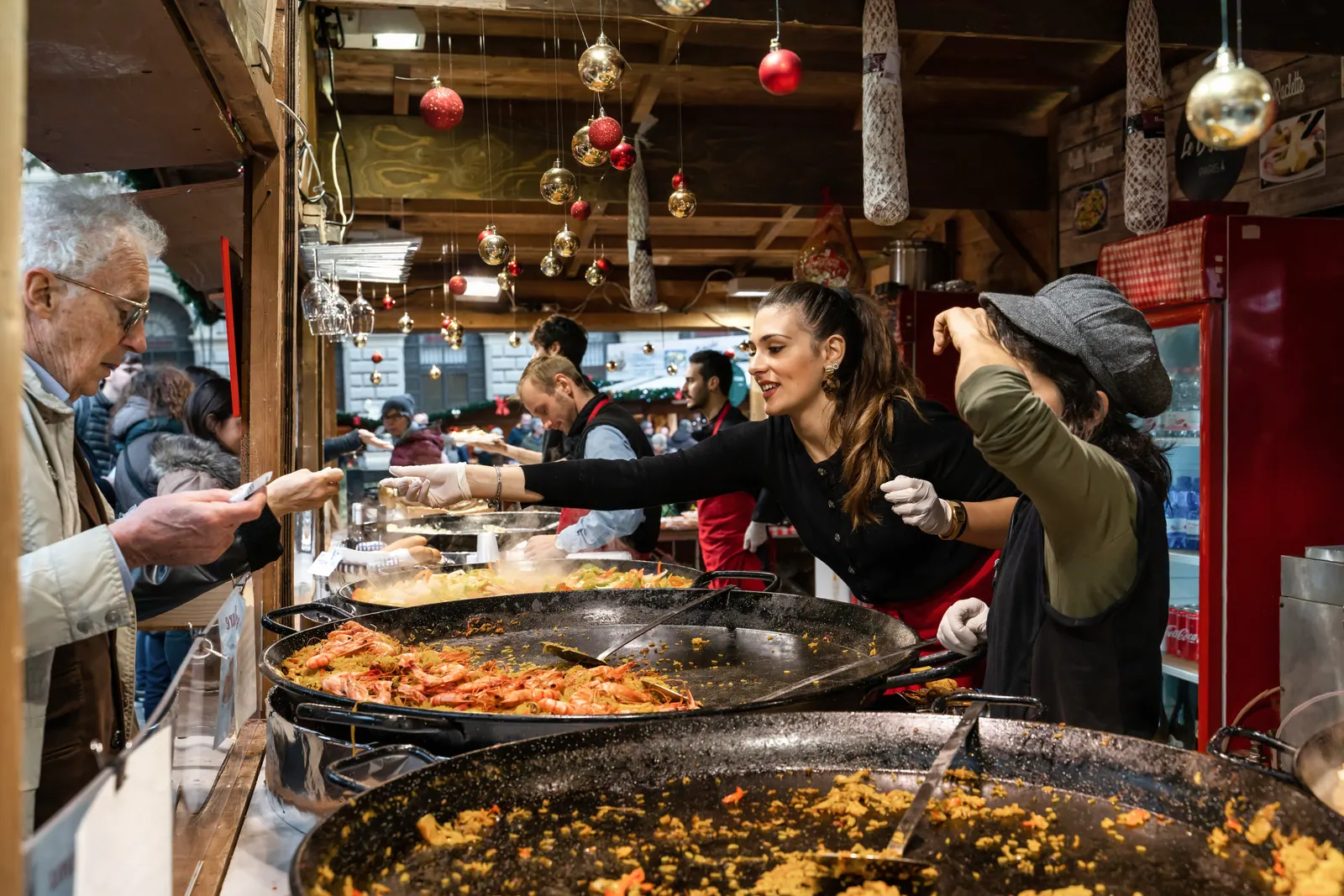
The history of food trucks in the US starts with two horse-drawn wagons: a Texas rancher's chuck wagon in 1866 and a Providence lunch wagon in 1872 that fed newspaper workers at night. Motors arrived around 1918, loncheras grew in Los Angeles from the 1960s, and a Twitter-savvy taco truck set off today's boom in 2008.
What is the history of food trucks in the US?
Food trucks are older than most people guess. They grew out of one simple problem: hungry people who were somewhere with no kitchen. A cattle crew on the open range, a night shift downtown and a plantation field all had it, and in each case somebody brought the food to them.
The story is not one straight line. The chuck wagon and the lunch wagon are separate ancestors, and they met in the idea of a kitchen on wheels. The modern truck added the motor, the commissary and, much later, the phone.
How did the chuck wagon become a food truck?
In 1866 a Texas rancher bought an old Army surplus wagon and fitted it with compartments and shelves for food, tools, firewood, water and cookware. People called it a chuck wagon, because chuck was cowboy slang for food. The cook drove it, made three meals a day with hot, strong coffee and pitched camp for a crew on a drive that could last up to three months.
That is the chuck wagon to food truck link in plain terms: a mobile kitchen that served a crowd that could not leave work to eat. The Buffalo Bill museum in Wyoming still preserves one, and its curators describe the wagon as a symbol of community and travel on the range.
When did lunch wagons start?
A pressman named Walter Scott is credited with the first lunch wagon in Providence, Rhode Island, in 1872. He converted a horse-drawn freight wagon, parked it outside the old newspaper building and sold sandwiches, boiled eggs, pies and coffee to night workers who had money but nowhere open to eat. Brown University's alumni magazine says he cut windows into the wagon's side to serve through.
Imitators followed. By 1877 a Worcester, Massachusetts, operator added a wagon with room to step in out of the weather, and Worcester craftsmen then began building lunch carts for others. Some wagons stopped moving and traded their wheels for a building that looked like a railway car, which is how many food historians trace the American diner back to a wagon. Providence still has a food truck business that started in 1893.
How did food trucks get motors, and what rules came with them?
Rules showed up almost as soon as the wagons did. In 1912 Providence's police commissioners banned daytime lunch wagons, because carts that stayed parked day and night were seen as a nuisance, and wagons had to move by 10 a.m. In 1918 a Providence man mounted a lunch car on a flatbed truck, and the horse faded from the story, helped along by World War I and its mobile field kitchens.
Today, food truck rules still differ from city to city, with permits, parking limits and health inspections. In Los Angeles, for example, trucks must return nightly to an inspected commissary to be sanitized and restocked. Check your own city's rules if you are curious why a truck parks where it does.
What changed in the 1960s and 2008?
Loncheras, the taco trucks of Los Angeles's Eastside, have been part of civic life there since the 1960s, according to Smithsonian magazine, and Hawaii had its plate lunch wagon tradition long before the modern boom. Trucks were also called roach coaches by people who looked down on them.
Then in 2008 two friends in Los Angeles began selling Korean barbecue in tacos from a truck, and the 2008 recession helped the idea spread: starting a truck cost a fraction of opening a dining room, and diners wanted cheaper meals. The truck posted its changing locations on Twitter, so followers knew where to line up. Within a few years the trend had spread to cities across the country.
How to follow a food truck you like
Trucks move, so following one takes a little habit. Most post their next stop on social media, and some keep a schedule on their own site. When a truck parks near you, get there early, because lines grow and popular dishes can run out.
A few simple moves help: note which day and which corner, ask what the truck is known for before you order and bring a second plan in case it is closed. If you are traveling, check the permit rules for that city rather than assuming a truck will be at the usual spot. For a park of several trucks at once, read our guide to eating at a food truck park.
How can Mosey help you keep track of a truck?
Mosey is built to help you remember what you ate, not to run a truck's route. Rate the dish you ordered, not just the truck, because the tacos and the sides can deserve different scores. Add the tag Food Truck, along with a cuisine tag, and use tags to narrow a search later.
Keep a list of trucks you want to try, with a note such as the corner and the day. Share the list by link with friends, even if they are not on Mosey yet, and follow friends to see where they rate and save. Mosey is free for a place to list, with no hidden fees, so a rating for a truck owner costs the diner nothing. Read about rating and tags and ratings by the dish, and read about one city's trucks in the Tampa food truck guide. The US food guides cover more.
What should you remember before you chase a truck?
Check a truck's own page before you travel, carry a card and some cash and bring a napkin. Rate the dish while it is fresh, because trucks change menus.
Download the Mosey app, rate your last truck meal by the dish and start a list called Trucks I want to try, so the next hunt starts with your own notes.
Questions
Common questions
When was the first food truck in the US?
Historians point to two ancestors. A Texas rancher built the chuck wagon in 1866 for cattle crews, and a Providence pressman started a horse-drawn lunch wagon for night workers in 1872. The lunch wagon is usually treated as the start of the American food truck and the diner.
Where did the chuck wagon get its name?
The wagon was credited to a Texas rancher who built it in 1866 from an old Army surplus wagon. The name uses chuck, a cowboy word for food. The cook drove it, made three meals a day with strong coffee and set up camp for a crew on a long drive.
What started the modern food truck boom?
The recession of 2008 and a Los Angeles taco truck that mixed Korean barbecue with Mexican tacos and posted its location on Twitter. Starting a truck cost far less than opening a dining room, and diners wanted cheaper meals, so trucks spread to cities across the country within a few years.
Why do food truck rules differ by city?
Cities set their own permits, parking limits and health rules. Providence banned daytime lunch wagons in 1912, and Los Angeles requires trucks to return nightly to an inspected commissary. Look up your own city's rules if you wonder why a truck parks where it does or why it moves on.
How can I keep track of food trucks I like?
Mosey is a food app for rating, sharing and keeping track of places to eat. Rate the dish you ordered, add a tag such as Food Truck, keep a list with notes on the corner and the day, share it with friends by link and follow friends to see where they rate and save.
More like this
Read next
Adams County Apples and Cider Near Gettysburg
Adams County apples grow in the orchards around Gettysburg: varieties, cider, pies and doughnuts, how to visit a farm market and how to rate what you taste.
Amherst Cider Donuts: Orchards, Farm Stores and Fall Pies
Amherst cider donuts and the fall farm season around them: what a cider donut is, where the valley makes them, how apple picking works and what to bake after.
Appalachian Food: Pepperoni Rolls, Ramps and Beans
A guide to Appalachian food: the West Virginia pepperoni roll, wild ramps, soup beans and cornbread, apple stack cake and how to find them on a mountain drive.
Arizona food festivals: Tucson Meet Yourself, Scottsdale and more
A guide to the long-running food festivals in Arizona, from Tucson Meet Yourself in the fall to the Scottsdale Culinary Festival in spring, and how to plan for each.
