
City guide
Food Worth a Drive in Hawaii: Shrimp Trucks and More
Mosey · November 11, 2026 · 5 min read
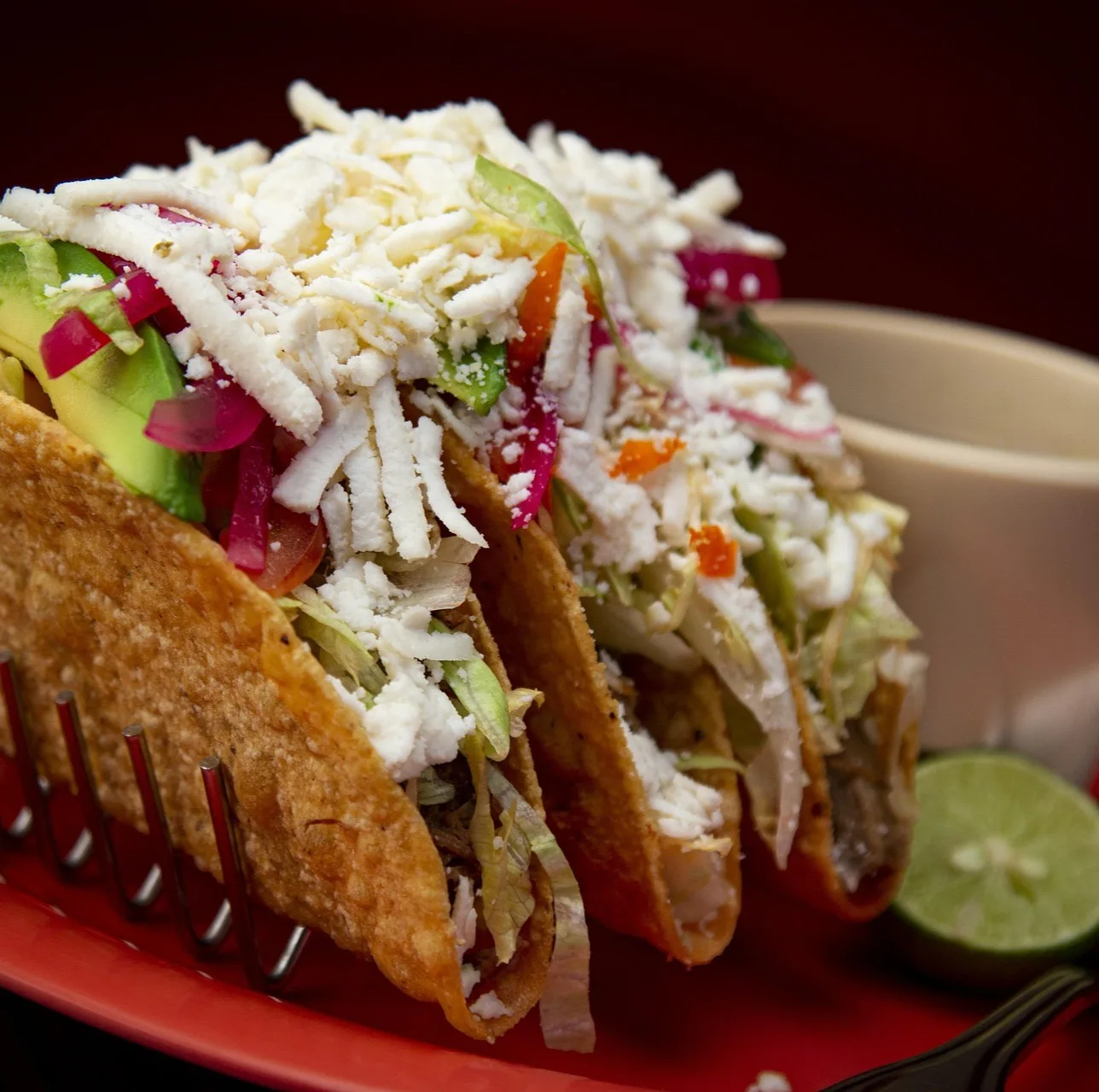
Food worth a drive in Hawaii often comes from a truck, a stand or a small counter on a road beside the sea. The islands are small, but distances feel long on winding highways, and the meals people remember are the ones they ate on the way: garlic shrimp from a North Shore truck, a plate lunch, a loco moco in Hilo.
What makes food worth a drive in Hawaii?
It is food tied to a place and a habit. Shrimp trucks sit near the farms that raise the shrimp, plate lunches come from counters that have fed local workers for decades and bakeries sell warm bread to people on the way to the beach. Eating here is as much about the stop as the dish. Many of the best places are family businesses that have run for generations, and the staff may be the grandchildren of the founders. Ask a question and you will usually get a story.
Plan time for traffic and weather. Island roads are narrow, and a rainstorm or an accident can double a trip. Bring cash for stands and trucks, since some do not take cards.
Where are the Oahu North Shore shrimp trucks?
Oahu North Shore shrimp trucks gather around Kahuku and Haleiwa, along the highway on the north end of the island. Garlic shrimp served with rice is the classic order.
The difference to know: some of the trucks sit next to their own shrimp farms, and the shrimp is as fresh as it gets. Locals argue about the best, so try more than one, and trust the truck with the line. Trucks that trade on a quiet stretch are more of a gamble.
What is a Hawaii plate lunch?
A Hawaii plate lunch is a generous meal on a paper or foam plate: a main such as teriyaki chicken, kalua pork, fried fish or katsu, two scoops of white rice and a scoop of macaroni salad. It began as a lunch for plantation and dock workers and is now a staple.
Order at the window and eat at a picnic table or in your car. Portions are large, so share if you want to try something else. Gravy, hot sauce and soy sauce are common extras.
The mix tells a story. Teriyaki reflects Japanese influence, kalua pork comes from the Hawaiian underground oven, and macaroni salad owes something to mainland lunch counters. Look at the board to see which mains are available, and ask which one sells out first.
What should you eat on Maui?
Maui food is a mix of farm, ocean and roadside. Upcountry farms grow produce for restaurants, and the island's shrimp trucks, fish markets and bakeries serve people along the coast. A lot of the best eating is simple: fresh fish, banana bread from a roadside stand, shave ice and a plate lunch.
The road to Hana is famous for its stands. Prepare for a slow day, stop where something smells good and carry water. Ask each seller where they get their fruit. Many stands sell fruit grown in the owner's garden or by a neighbor, and a seller who knows the tree will tell you when to eat it. Banana bread is a staple of the road, and a warm loaf from a roadside stand is one of the island's simple pleasures.
What is the Big Island food scene like?
Big Island food stretches from Hilo's farmers markets to Kona's coffee farms. Hilo is the birthplace of loco moco, a dish of rice, a hamburger patty, a fried egg and gravy, and the town's diners still serve it the old way.
Kona coffee farms offer tastings, and farm stands sell macadamia nuts, honey and tropical fruit. Drive times between towns are long, so pick one side of the island for a day. The east side around Hilo is lush and rainy, while the west side around Kona is dry and sunny, and the food differs with the climate. Pack a rain jacket for the east and sunscreen for the west.
How do you plan a food drive on any island?
Start early, when the roads are quiet and the sun is gentle. Keep the tank full, because gas stations can be far apart. Check hours, as small stands close when they sell out.
Respect private farms and homes, and follow signs about parking. Buy something small from each place you stop, and say thank you. Hawaiian hospitality returns the courtesy. Do not leave trash, and avoid blocking driveways, since many roadside stands are in residential areas where the neighbors live year round.
Where can you read more?
For the city side of Oahu, read the Honolulu Chinatown and Kaimuki food guide, and for the dishes themselves, see the Hawaiian regional foods guide. The US guides page lists more states.
How do you keep track of island meals in Hawaii?
Island meals are easy to blur. With the Mosey app you rate each plate lunch, shrimp plate and shave ice on the spot, note the truck and the island, and build a Hawaii list for your next trip.
Badges in the Mosey app follow the tags you give your ratings, so a trip of plate lunches, shave ice and poke can become a small collection of the kinds of place you have covered. Badges come from rating, not from posting.
Questions
Common questions
Which North Shore shrimp truck is best?
Locals disagree, so try more than one of the North Shore shrimp trucks on Oahu, and note that many of the trucks sit near the farms that raise the shrimp.
What is a plate lunch?
A plate lunch is a meal of a main dish, two scoops of rice and macaroni salad, served on a plate. In Hawaii, chicken katsu, teriyaki beef and kalua pork are common mains, and the meal is a staple at roadside stands.
What is loco moco?
Loco moco is rice topped with a hamburger patty, a fried egg and gravy, and it is traced to Hilo on the island of Hawaii. It is a hearty breakfast or lunch and a good way to start a drive.
How can I remember and share the Hawaii food stops I find?
Mosey is a food app where you rate places by the dish, keep lists and share them with friends. Rate each Hawaii stand by the dish, add a tag such as Food Truck, and share a list. Follow friends to see what they rate.
Do I need cash for Hawaii food trucks?
Carrying cash helps in Hawaii, because some trucks and stands do not take cards. The stands along the road to Hana are a highlight for many visitors, but plan for a long day and check conditions.
More like this
Read next
Food Worth a Drive in Alabama: Barbecue to the Gulf
Food worth a drive in Alabama, from white sauce chicken in Decatur to ribs in Tuscaloosa and Gulf oysters in Mobile, with three routes and tips for each stop.
Food Worth a Drive in Alaska: Seward Highway and Homer
A guide to food worth a drive in Alaska: Anchorage restaurants, Girdwood on the Seward Highway, fresh fish in Homer and where to stop in Seward.
Capital Region food: Albany, Troy and Saratoga Springs
A guide to eating around Albany, Troy and Saratoga Springs: the Troy waterfront farmers market, Saratoga race-season reservations, Albany neighborhoods and how far ahead to book.
Alberta Arts District food guide: where to eat on NE Alberta Street
A guide to eating on Northeast Alberta Street in Portland: brunch, taquerias, ice cream, the Last Thursday street fair, and how to plan a visit around the weather and the crowds.
