
How to
Halal Food in Chicago: How to Look and Rate
Mosey · November 11, 2026 · 4 min read
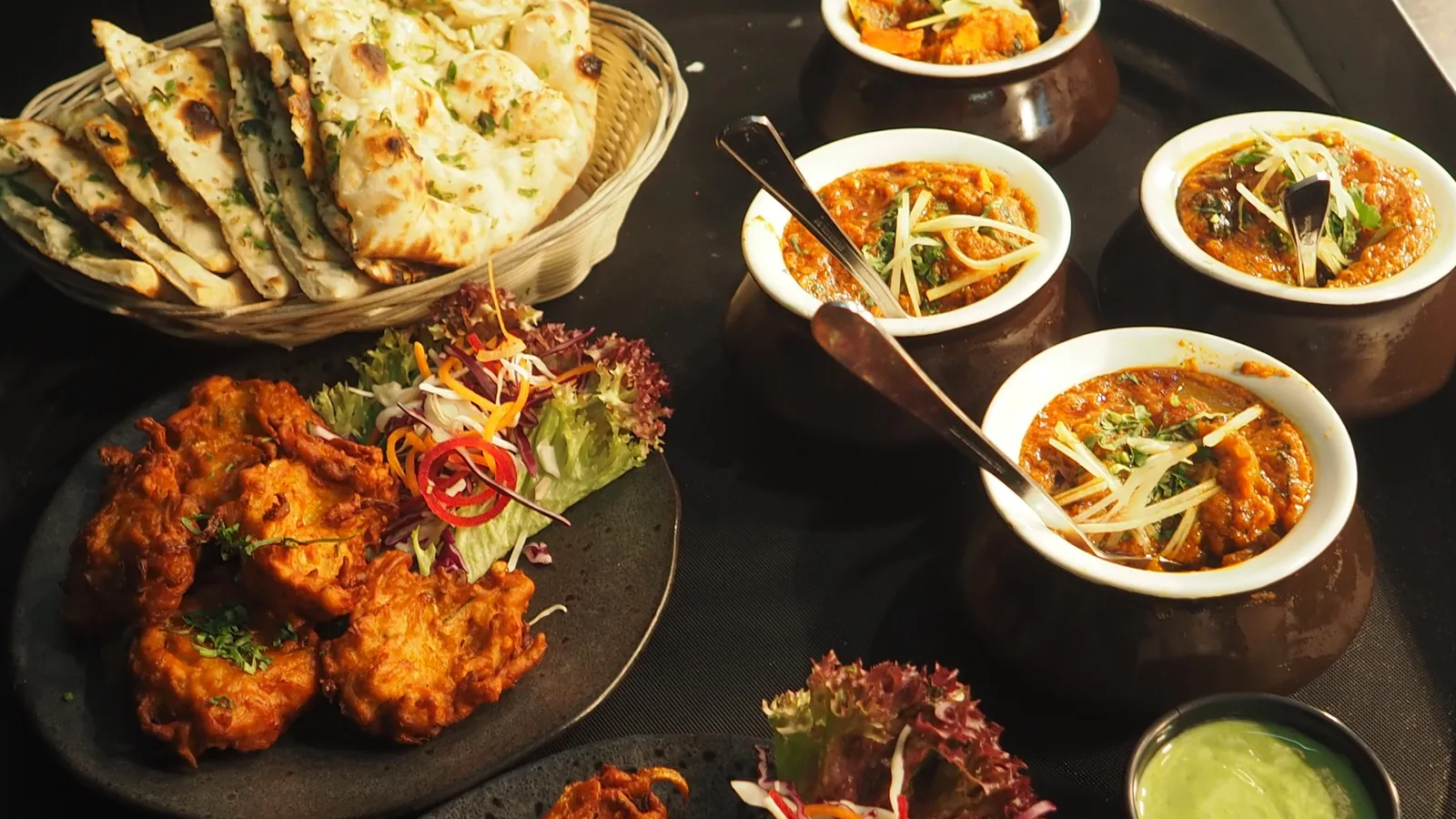
Halal food in Chicago is easiest to find around Devon Avenue in West Ridge, where many Pakistani, Indian, Afghan and Middle Eastern kitchens serve halal meat, and in neighborhoods with large Muslim communities across the city. Ask at the counter, look for a sign, and use the Halal tag when you rate.
Halal practice is something only the kitchen can confirm, so here is how to ask and how to record what you were told.
Where do you look for halal food in Chicago?
Start with the neighborhoods where the communities are. Devon Avenue is the best known, but kebab counters, grills and bakeries with halal meat appear in other parts of the city too. The Devon Avenue guide explains the blocks, and the Korean food page is a reminder that other cuisines may have halal options if you ask.
Do not assume a cuisine settles the question. A Pakistani room is likely to be halal, but a kitchen that serves a mixed menu may not be. Ask, every time.
What should you ask at the counter?
Three plain questions work. Is the meat halal? Is it all halal, or only some dishes? Do you serve alcohol or cook with it? The answers differ from room to room, and staff are used to being asked.
Look for a certificate or a sign in the window. Not every halal kitchen displays one, so a missing sign is not a no. A clear answer from the person at the counter is the best evidence you will get.
What are halal kebabs and biryani in Chicago like?
Grilled kebabs come in several styles: minced meat on skewers, cubes of marinated chicken or lamb, and flat grilled patties. They arrive with bread, onion and chutney. Biryani is rice layered with spiced meat and cooked in a sealed pot, and a good one is fragrant and separate, never mushy.
Try both and rate them separately. A kitchen can be strong at the grill and ordinary at rice, or the other way around.
How does the Halal tag work in Chicago?
When you rate a place you add tags, and Halal is one of them. Tags earn badges and help people find a place, so a rating tagged Halal is a note for the next person who is looking. Only the place and the stars are required. Add the tag only when the kitchen told you its meat is halal, not because the cuisine suggests it.
A tag is a note from a diner, not a certificate. Treat it as a starting point, and ask the kitchen to be sure.
How do you find halal food by tag?
In the Find sheet in the app you can look for a tag, and Halal is among them. Use it together with the area or the dish you want. Remember that a tag has no guarantee behind it: it is what a diner said, and it is only as good as the number of people who have added it.
If you are the first person to rate a place, you are the one building that picture. Add the Halal tag only when you are sure, and add a line on what you were told.
How do you plan a halal meal for a group?
Choose the room first, then the dishes. Ask whether a table for a group is possible and how long the kitchen takes with a big order. Share a rice dish, two grilled plates and a couple of vegetable dishes, so that everyone eats well whatever their appetite.
Tag the rating Group Dining if the table was looked after and nobody was split up. That helps the next big party.
Which halal restaurants Chicago diners recommend?
The honest answer is the ones you have asked about. A friend's recommendation is a good start, but kitchens change owners and suppliers, so ask again when you visit. Where a family has eaten at the same room for years, the staff usually know them and will answer questions freely.
Write down what you learn. A short note such as "asked, all meat halal, grill and kitchen" is enough, and it saves the next visit from the same conversation. The US food guides cover other cities.
Halal is not the same as vegetarian, kosher or allergy-safe, and an app tag is none of those. If you have an allergy, tell the kitchen directly, whatever any tag or list says. A friend who eats halal can use your list as a starting point, but the conversation at the counter is still the real check.
How do you keep a halal list?
In the Mosey app, make a list called Halal, add places as you confirm them and write a note on what you asked and what you were told. Share it with a friend who has the same needs. The guide to nihari is a good addition, since the stew is a favorite at many halal kitchens.
Get the Mosey app, rate your next meal by the dish, add the Halal tag only where you have confirmed it and start a list your friends can use.
Questions
Common questions
Where can I find halal food in Chicago?
The best-known area is Devon Avenue in West Ridge, with many Pakistani, Indian and Afghan kitchens that serve halal meat. Grills, bakeries and kebab counters in other neighborhoods also do. Ask at the counter, because practice differs from place to place.
How can I tell whether a restaurant is really halal?
Ask the person at the counter whether the meat is halal and whether the whole menu is. Look for a sign or certificate in the window, though not every kitchen displays one. A clear answer from staff is the most reliable evidence available to a diner.
Does a Halal tag guarantee anything?
No. A tag in an app is a note from a diner, not a certificate or an inspection. It helps you find places worth asking about, but you should still confirm with the kitchen, especially if you eat halal for religious reasons.
What is the best way to track halal places in Chicago?
Mosey is a food app for sharing places with friends, rating dishes and tagging what you learned. Rate a halal meal in Chicago, add the Halal tag when the kitchen has confirmed it, and keep the places in a list that friends can join and add to.
Is halal food only on Devon Avenue?
No. Devon Avenue has the densest run, but halal kebab counters, grills, bakeries and delis appear in many neighborhoods. Ask in each place you visit, and keep a list of the ones you have confirmed so you do not have to ask twice.
More like this
Read next
Andersonville Chicago Restaurants: A Neighborhood Guide
A guide to Andersonville Chicago restaurants: the Swedish roots on Clark Street, the pancake house and bakery worth a stop and how to plan an easy day.
Argyle Street Chicago Restaurants: Uptown Guide
Argyle Street Chicago restaurants, from the Red Line stop west: how the Uptown strip works, what to eat first and how to keep notes on the dishes you try.
Become a Local Champion in Chicago
Become a Local Champion in Chicago by rating five places, answering three Top 3 questions and making a list, from deep dish to Italian beef and jibaritos.
Best Banh Mi in Chicago: How to Judge a Sandwich
Best banh mi in Chicago starts with the bread. Learn how to judge a Vietnamese sandwich, what the fillings mean and how to rate each one by the dish.
